100% Satisfaction
  24/7/365
  We Work With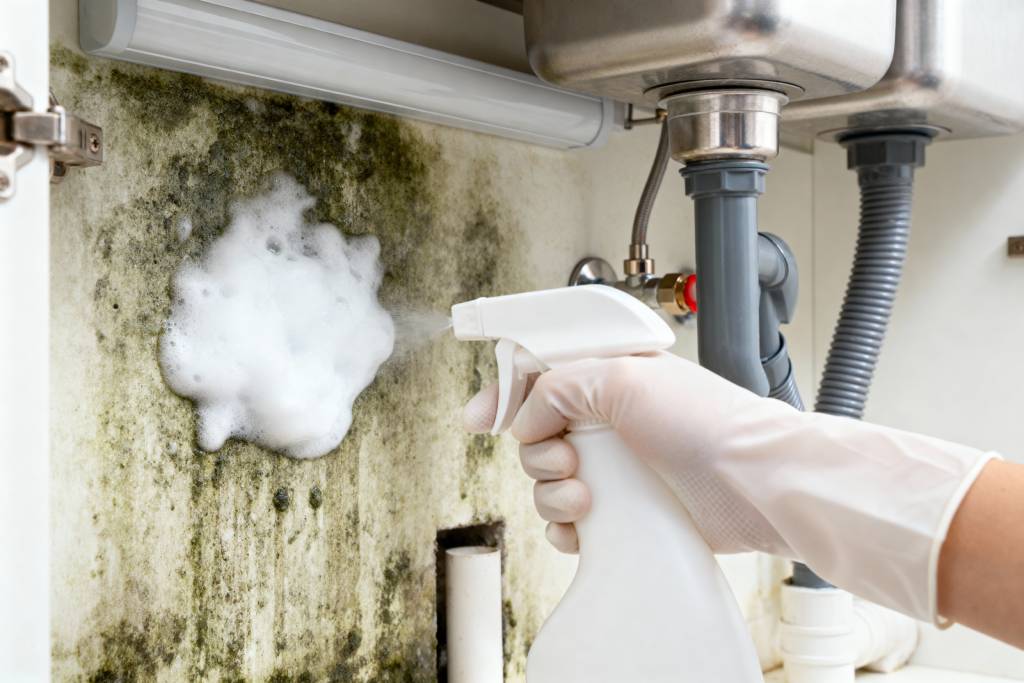
TL;DR: Mold in kitchen areas is usually caused by excess moisture from leaks, steam, or water damaged materials. This blog explains why kitchen mold forms, how to spot it early, whether it’s dangerous, and how to remove it safely before it spreads.
Key takeaways:
- Mold in kitchen cabinets often forms under sinks due to hidden plumbing leaks and trapped moisture.
- A persistent mold smell in kitchen spaces may signal hidden growth behind walls or cabinetry.
- Is mold in kitchen dangerous? It can cause allergic reactions and damage surfaces if left untreated.
- Small surface mold can sometimes be cleaned, but larger mold issues require professional remediation.
- The average cost of mold removal in kitchen areas depends on the size of the mold problem and the extent of water damage.
Finding mold in kitchen spaces can be frustrating and a little alarming. Kitchens deal with daily moisture from cooking, washing dishes, and plumbing, which makes them a prime area for mold growth. If left untreated, a small mold problem can spread quickly and cause damage to cabinets, walls, and flooring.
Let’s break down why mold forms in kitchens, how to spot it, and how to get rid of mold in kitchen areas safely.
Why Does Mold Grow in the Kitchen?
Mold thrives in damp, humid environments, especially where there’s a steady source of moisture. Kitchens offer plenty of opportunities for mold to grow.
Common causes include:
- Leaking pipes under sinks
- Water damaged drywall or flooring
- Poor ventilation
- Steam from cooking
- Spills that soak into wood or other porous surfaces
Mold feeds on organic material, such as wood, paper backing on drywall, food particles, and even dust. That’s why mold in kitchen cabinets is so common (especially beneath sinks where slow leaks can go unnoticed for months).
If you notice a mold smell in kitchen areas, like a persistent musty smell, it may indicate hidden mold growth behind walls or inside cabinets.
Signs You Have Mold in the Kitchen
Not all mold is obvious at first. Watch for these warning signs:
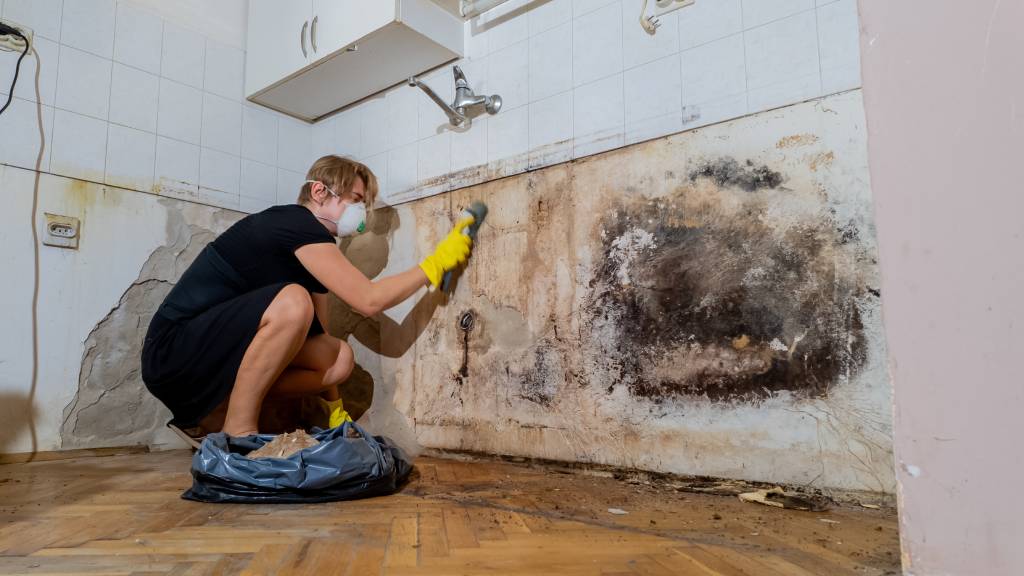
- Dark or fuzzy spots on walls, ceilings, or around sinks
- Warped or peeling cabinet surfaces
- Persistent musty odors
- Discoloration around plumbing fixtures
- Soft or crumbling drywall
While black mold tends to get the most attention, mold can appear green, white, gray, or brown. Regardless of color, any visible growth should be addressed quickly.
Is Mold in Kitchen Dangerous?
A common question homeowners ask is: is mold in kitchen dangerous?
Mold exposure can lead to health risks, especially for sensitive individuals. Some people may experience allergic reactions such as sneezing, itchy eyes, coughing, or skin irritation. Those with asthma or respiratory conditions may notice symptoms worsen.
Beyond potential health concerns, mold can also damage cabinetry, drywall, insulation, and flooring if ignored. What starts as a small mold issue can turn into a costly repair project.
How to Get Rid of Mold in Kitchen Areas
If you’re wondering how to get rid of mold in kitchen surfaces, the answer depends on the severity.
For Small Surface Mold:
- Wear gloves and a mask
- Scrub hard, non-porous surfaces with a mold-cleaning solution
- Dry the area thoroughly
- Fix any leaks or moisture sources
However, mold on porous materials like wood cabinets, drywall, or insulation may require removal and replacement. If the area is larger than 10 square feet or keeps returning, professional remediation is recommended.
The key to long-term success is identifying and repairing the source of moisture. Without that step, mold issues will continue.
Average Cost of Mold Removal in Kitchen
The average cost of mold removal in kitchen spaces varies depending on the extent of the damage. Minor surface cleaning may cost a few hundred dollars, while larger remediation projects involving water damaged cabinets or drywall replacement can range from $1,500 to $5,000 or more.
Costs depend on:
- Size of the affected area
- Type of materials involved
- Whether structural repairs are needed
- Extent of contamination
Addressing mold early is always more affordable than waiting until it spreads.
Preventing Mold in the Kitchen
Prevention is all about moisture control:
- Fix plumbing leaks immediately
- Use exhaust fans while cooking
- Wipe up spills quickly
- Avoid storing damp items in cabinets
- Inspect under sinks regularly
By keeping your kitchen dry and well-ventilated, you can prevent mold from taking hold in the first place.
If you suspect hidden mold or are dealing with recurring growth, professional inspection and remediation can restore your kitchen safely and effectively.