100% Satisfaction
  24/7/365
  We Work With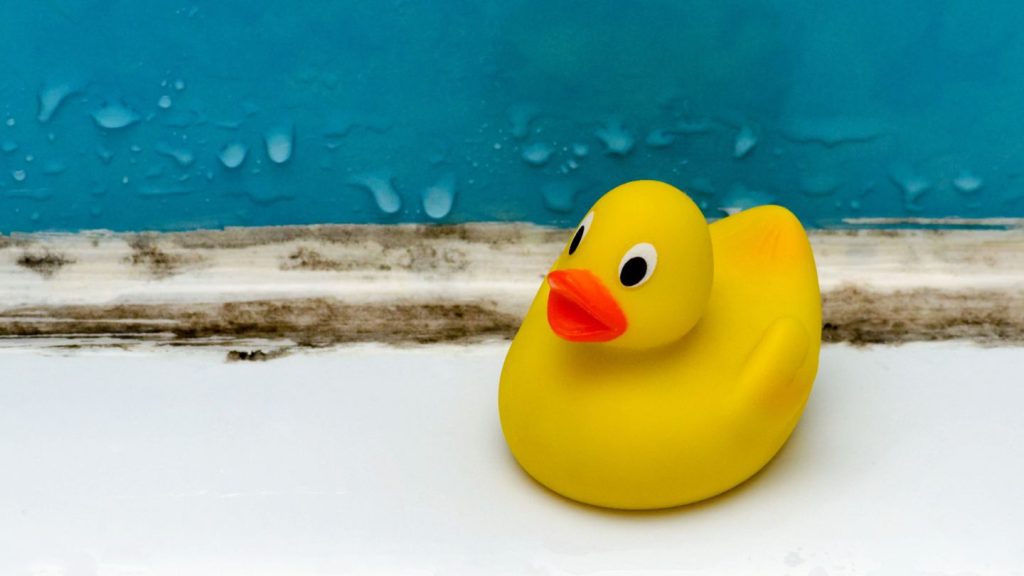
TL;DR:
- Bathrooms are especially prone to mold because of constant moisture, humidity, and limited airflow.
- Common signs include visible mold in various colors, musty odors, condensation, water damage, and surfaces that stay damp.
- Bathroom mold isn’t just ugly—it’s usually a sign of excess moisture and can spread quickly if ignored.
- Managing mold starts with reducing moisture through ventilation, leak repairs, regular cleaning, and humidity control.
- Mold that keeps coming back or spreads beyond surface areas usually requires professional remediation.
Discovering mold in your bathroom can be more than just an unsightly annoyance; it usually means there’s too much moisture and poor airflow somewhere in the space. Bathrooms, with their high humidity levels, are prime environments for mold and mildew growth.
Recognizing the signs of bathroom mold and knowing how to address it effectively are crucial steps in maintaining a healthy, clean bathroom. This guide will help you identify common indicators of mold in the bathroom, understand its risks, and provide practical solutions for mold removal and prevention.
Common Signs of Mold in Your Bathroom
What does mold in the bathroom look like? Mold in the bathroom can be both a health hazard and a structural problem, making it crucial to recognize the early signs of its presence. Due to the bathroom’s typically moist environment, it’s one of the most common places in a home where mold can thrive.
Here are the signs that indicate you might have mold in the bathroom:
Visible Mold Spots
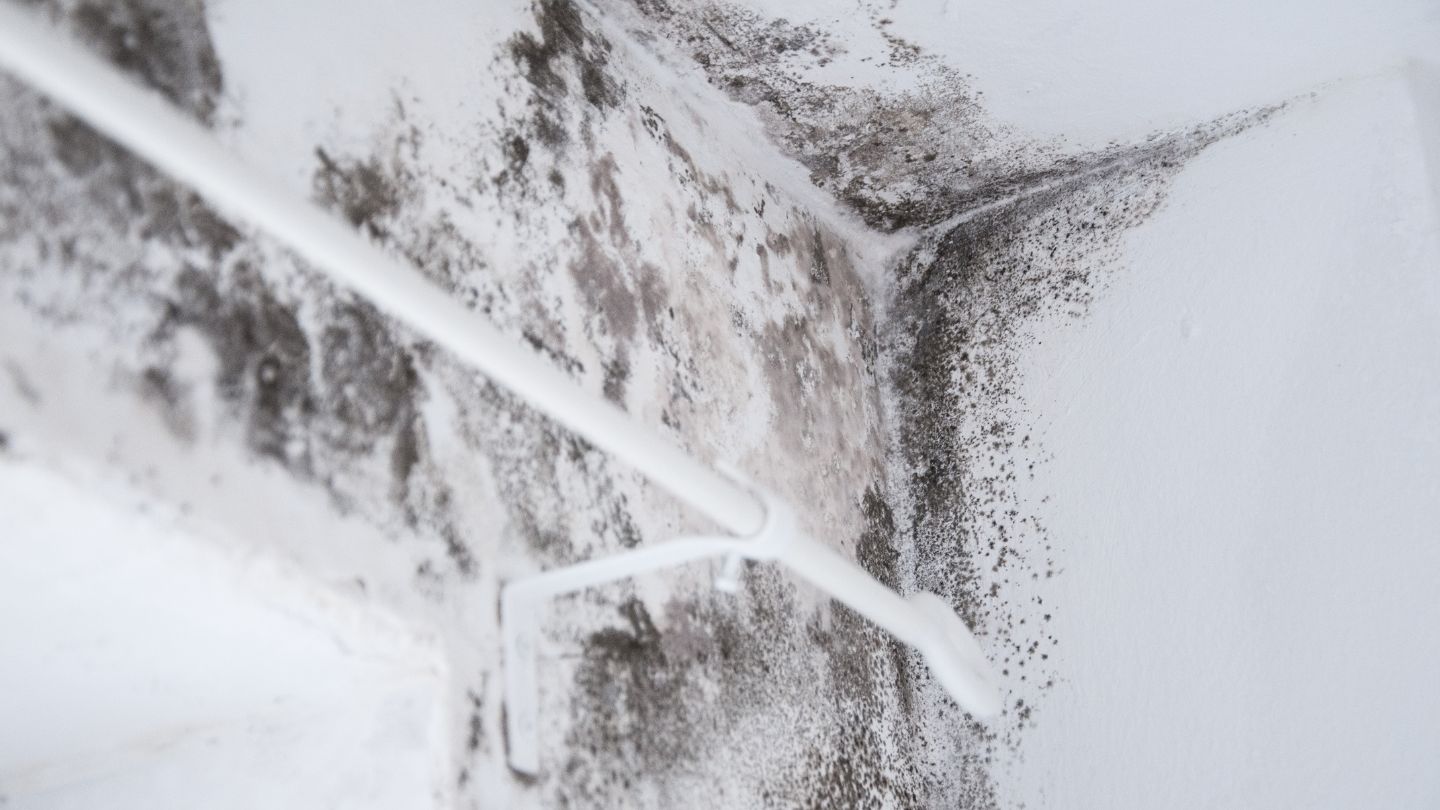
Mold often manifests as specks but can quickly spread across walls, ceilings, shower curtains, and grout lines. It can appear in a variety of colors:
- Black Mold: Perhaps the most notorious type, this is often found around caulk and grout, and forms where moisture sits for too long.
- Green Mold: Commonly found on shower walls, this type of mold thrives in areas with constant moisture and can spread rapidly if not addressed.
- Pink Mold: Often seen on shower curtains and bathroom tiles, pink discoloration usually points to soap buildup and lingering dampness.
- White Mold: Sometimes looks like a thin, almost powdery layer, white mold can be found on unpainted surfaces or damp organic materials like wood.
These are warning signs that bathroom humidity is too high and moisture control is inadequate.
Musty Odor
A persistent musty smell in your bathroom, even in the absence of visible mold, suggests that mold spores are present in the air or hidden surfaces. This is one of the most common early indicators of mold problems. If your bathroom smells damp or earthy, it’s time to investigate.
Water Damage
Signs of water damage, such as peeling paint, warped drywall, or discolored spots on ceilings, are not just cosmetic issues. They indicate moisture problems that create a hospitable environment for mold growth. Leaks from fixtures, pipes, or through the roof can contribute to these problems, making it essential to not only address the visible damage but also the underlying moisture sources.
Health Symptoms
If you notice coughing, sneezing, itchy eyes, or general discomfort that seems worse at home, mold could be contributing to the problem. If symptoms improve when you leave the house, it’s worth having your bathroom inspected.
Condensation
Excessive condensation on mirrors, windows, and walls in your bathroom is a clear sign of high humidity levels — a primary factor in mold growth. Regular occurrences of condensation should prompt you to improve ventilation and reduce moisture in the area.
Persistent Dampness
Bathrooms that feel perpetually damp and never seem to dry out completely are at high risk for mold growth. This constant dampness can stem from inadequate ventilation, leaks, or other issues that keep the environment moist. Regular cleaning helps, but poor airflow and lingering dampness often demand more aggressive solutions.
Taking Action to Remove Mold in Your Bathroom
Recognizing these signs early can help you take swift action to mitigate mold growth before it becomes a larger problem. Simple steps like improving ventilation, fixing leaks, and using mold-resistant products can make a significant difference.
If you’re unsure how to identify mold in bathroom spaces that are hidden or behind walls, consult with professionals. Mold often lurks behind tile, under flooring, or around plumbing.
However, for existing mold issues, especially those that are widespread or hidden, professional mold remediation may be necessary to safely and effectively remove the mold and address the moisture problem at its source.
Don’t ignore mold just because it’s common in bathrooms. Left untreated, it can spread into drywall, subflooring, and cabinetry—leading to costly repairs.
How Harmful Is Bathroom Mold?
Mold found in bathrooms is not just a cosmetic issue; it poses significant health risks that can affect the well-being of your household. The warm, humid conditions of a bathroom create an ideal breeding ground for mold spores, which can proliferate unnoticed in nooks, crannies, and damp areas. When these spores become airborne, they can be inhaled or come into contact with skin, leading to a range of health problems.
The Health Impacts of Mold Exposure
Respiratory Issues
One of the most immediate effects of mold exposure is on respiratory health. Some people may notice coughing, sneezing, or throat irritation when mold is present. Asthma sufferers are particularly at risk, as mold can trigger asthma attacks and exacerbate symptoms. In some cases, prolonged exposure to mold spores can lead to the development of asthma in individuals who did not previously suffer from the condition.
Skin and Eye Irritation
Sensitive individuals may experience minor irritation if exposed to mold. Contact with mold spores can cause dermatitis, characterized by rash, itching, and redness. Similarly, the eyes may become red, itchy, and watery. These symptoms can be particularly distressing for individuals with sensitive skin or pre-existing skin conditions.
Allergic Reactions and Immune Response
For people with mold allergies, exposure to bathroom mold can trigger severe allergic reactions. Symptoms can include sneezing, a runny nose, and severe respiratory distress. For people who are sensitive to mold, symptoms may feel stronger or more uncomfortable. Moreover, mold exposure can suppress the immune system, making individuals more susceptible to other infections and illnesses. This is especially concerning for those with compromised immune systems, the elderly, and young children, who may find it harder to fight off the effects of mold exposure.
Long-Term Health Effects
While short-term mold exposure can cause discomfort and health issues, long-term exposure can lead to more serious conditions. If mold is allowed to grow unchecked for long periods, it can spread deeper into building materials and increase repair costs. Although research is ongoing, the potential for long-term health effects further emphasizes the need for prompt and effective mold remediation.
Addressing Mold in Your Bathroom
Given the health risks associated with bathroom mold, it’s clear that addressing mold issues promptly is not just about maintaining the aesthetics of your home but protecting the health of its occupants. Regular cleaning, adequate ventilation, and controlling humidity levels are key steps in preventing mold growth. However, for existing mold infestations, especially those that are extensive or difficult to remove, professional remediation services are recommended to ensure thorough removal and to address the underlying causes of mold growth.
Understanding the health risks associated with bathroom mold underscores the importance of not only promptly addressing any mold issues but also taking proactive steps to prevent mold growth in the first place. If you suspect a mold problem in your bathroom, consider consulting with mold remediation experts to ensure your home remains a safe and healthy environment for you and your family.
How to Get Rid of Mold in the Bathroom
Dealing with mold in your bathroom involves both cleaning existing mold and addressing the moisture sources that allow mold to thrive:
- Ventilation: Use exhaust fans or crack windows to lower humidity levels.
- Regular Cleaning: Clean walls, ceilings, and tiles with mold-killing solutions.
- Fix Leaks: Address any water damage or plumbing leaks promptly.
- Humidity Control: Use a dehumidifier in your bathroom to maintain lower humidity levels.
If DIY efforts fail, schedule a professional inspection. Mold that keeps returning may be hiding deeper in your walls or subflooring.
Is It Normal for Mold to Grow in the Bathroom?
While it’s common for mold to grow in moist environments like bathrooms, it’s not something you should consider normal or ignore. Preventing mold growth is key to maintaining a healthy living environment.

Professional Mold Remediation Services
For significant mold infestations or if DIY methods fail to control the problem, professional mold remediation is essential. United Water Restoration Group specializes in identifying, removing, and preventing mold in bathrooms and other areas of your home. Our experts use advanced techniques and equipment to ensure your bathroom is mold-free and safe for you and your family.
Call the Bathroom Mold Removal Experts
Recognizing the signs of mold in your bathroom and taking swift action to address it are crucial for maintaining a healthy home environment. While some mold issues can be managed with DIY efforts, professional remediation may be necessary for severe cases. If you’re struggling with bathroom mold, don’t hesitate to contact United Water Restoration Group for expert assistance. Let us help you keep your bathroom mold-free and healthy!