100% Satisfaction
  24/7/365
  We Work With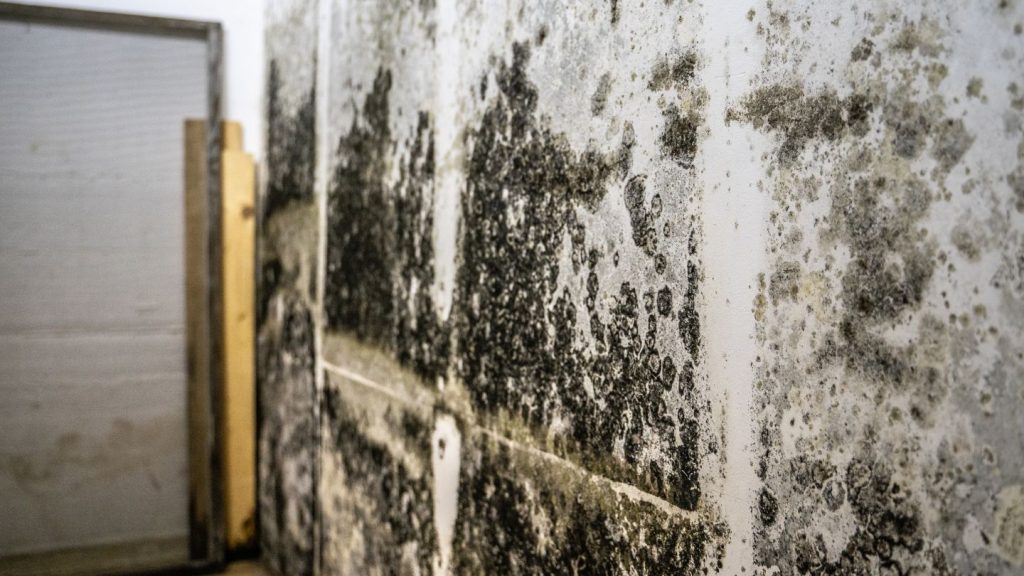
TL;DR: Mold in schools is a fast-growing, often hidden hazard that can damage building materials and negatively impact indoor air quality. Addressing moisture quickly—and using professional remediation when needed—helps protect students, staff, and the learning environment.
- Mold thrives in damp, humid areas like classrooms, cafeterias, locker rooms, libraries, and HVAC/ventilation systems.
- Spores can become airborne and spread easily; growth can start within 24–48 hours on wet materials like drywall, wood, paper, insulation, and carpet.
- Common impacts include coughing, sneezing, throat irritation, allergic reactions, headaches, fatigue, and concentration issues; asthma flare-ups are a serious concern.
- Warning signs include visible growth, musty odors, unexplained symptoms, water stains/discoloration, and indoor humidity above 60%.
- Prevention and response hinge on controlling humidity (30–50% ideal), improving ventilation, inspecting routinely, fixing leaks fast, and removing contaminated materials safely.
As we strive to make our educational institutions safe and conducive to learning, there’s a silent threat that often goes unnoticed – mold. Mold in schools can affect classrooms, hallways, cafeterias, and ventilation systems, making it a concern for both students and staff. At United Water Restoration Group, we understand the dangers and concerns of widespread mold outbreaks, especially at an educational facility.
Mold should be addressed as quickly as possible to help prevent additional damage to the affected areas. United Water Restoration Group would like to go over the risks of black mold in schools and how mold remediation can help return the facility back to safety. Large mold problems in schools can spread quickly if excess moisture or water damage is not resolved. Restoration professionals can help identify the source and safely remove the contamination.
Understanding Mold & How It Begins
Mold, a type of fungi, thrives in damp and humid environments, both indoors and outdoors. In schools, they can be found in classrooms, cafeterias, locker rooms, libraries, and anywhere that provides a hospitable environment. A common problem is mold in classroom spaces where ventilation is limited and humidity levels are high.
Mold reproduces through microscopic mold spores that are invisible to the naked eye and can easily become airborne. When these spores land on damp surfaces, mold grows quickly on organic materials and many common building materials, such as drywall, wood, paper, insulation, and carpeting.
You may be wondering how mold grows and how quickly it can spread. Mold begins growing when spores land on damp or wet surfaces that contain organic material. This provides the mold with the moisture and nutrients it needs to grow.
This can occur in areas with high humidity or excess moisture caused by leaks or water damage. The mold uses the organic material in drywall, wood, paper, carpet, or food as a source of nutrition, and under the right conditions, can start to grow within 24-48 hours.
Mold-Related Health Risks in Schools
The presence of mold in educational institutions is more than just a structural or cosmetic issue. It’s actually a major health concern. It can affect comfort, air quality, and student performance if the issue is widespread.
- Respiratory Issues: Exposure to mold may cause coughing, sneezing, or throat irritation. These are some of the most common mold in classroom symptoms reported by students and staff.
- Allergic Reactions: Mold spores can trigger sneezing, itchy eyes, runny noses, or skin irritation in individuals who are sensitive to mold.
- Fatigue or Headaches: In buildings with persistent school mold problems, occupants sometimes report headaches or difficulty concentrating.
- Air Quality Concerns: The effects of mold in school ventilation systems can allow spores to circulate through classrooms, potentially spreading the issue to multiple rooms.
- Immune System Complications: More seriously, in individuals with respiratory conditions such as asthma, mold spores can provoke inflammation in the airways, potentially triggering an asthma attack. Over time, the constant need to fight against mold spores can put a strain on the immune system, weakening it and potentially making it more difficult for the body to fend off other illnesses or infections.
- Mental Health Concerns: Emerging research suggests a potential link between indoor mold exposure and mental health issues such as depression and anxiety. The fear and stress associated with living or working in a mold-infested environment can further exacerbate mental health issues.
Detecting Mold in Educational Institutions
Detecting mold can be tricky, especially since it often grows in hidden areas. However, signs to watch out for include:
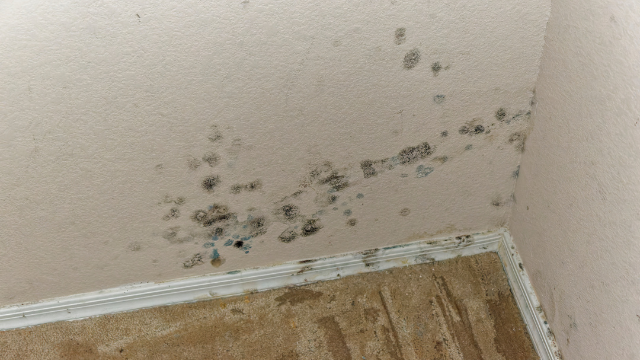
- Visible Mold Growth: This is the most obvious sign of a mold issue. Mold may appear as a fuzzy or slimy patch of black, white, green, or yellow substance.
- Musty or Damp Odors: Mold produces a characteristic musty odor that can be the first indication of a problem.
- Health Symptoms: If students or staff members are experiencing allergic reactions or respiratory issues without an apparent cause, it could indicate the presence of mold.
- Water Damage: Signs of water damage, such as discoloration or water stains, can be a precursor to mold growth.
- High Humidity: High indoor humidity levels (above 60%) can encourage mold growth, especially in poorly ventilated areas.
Implementing Mold Prevention Strategies in Schools
Preventing mold growth is key to maintaining a safe and healthy learning environment. Here are some practical strategies:
- Manage Humidity Levels: Maintain indoor humidity below 60%, ideally between 30% and 50%, using air conditioners or dehumidifiers. Controlling humidity levels is one of the most effective ways to prevent mold growth in schools. Regular maintenance and inspection practices is key to a safe and healthy school environment. These practices should involve periodic checks for any signs of mold or moisture, particularly in areas prone to dampness such as bathrooms, basements, and kitchens.
- Regular maintenance and inspections should focus on areas prone to dampness, including bathrooms, kitchens, basements, and locker rooms. These locations often contain plumbing fixtures or equipment that can create excess moisture.
- Ensure Proper Ventilation: All school buildings, particularly bathrooms, kitchens, and classrooms, should have adequate ventilation to reduce moisture levels.
Proper ventilation systems help remove humid air and improve indoor air quality. Poor ventilation is one of the leading contributors to mold in classroom environments. This can significantly aid in reducing moisture levels, consequently limiting the potential for mold growth and other moisture-related issues. Bathrooms and kitchens, areas often characterized by high humidity, particularly require efficient exhaust systems.
For classrooms, maintaining optimal indoor air quality is critical. This can be achieved through a combination of natural ventilation – opening windows and doors when weather permits – and mechanical ventilation systems.
Regular inspection and maintenance of these systems are equally important to ensure they remain functional and effective. By fostering such practices, schools can contribute to a healthier, more conducive learning environment.
- Regular Maintenance and Inspection: Routine inspections help identify leaks, condensation, or moisture buildup early. Checking plumbing systems, ceilings, and HVAC equipment can help prevent mold growth before it spreads.
Furthermore, areas around water sources such as sinks, pipes, and water fountains should also be rigorously checked. Keeping these spaces clean and dry not only helps in reducing the likelihood of mold growth but also mitigates other issues linked to dampness such as pest infestations. The use of dehumidifiers and efficient ventilation systems can contribute to maintaining dry conditions.
- Quickly Address Water Leaks: Any signs of water leaks or damage should be promptly repaired, as mold can grow on wet surfaces within 24-48 hours. Effectively addressing water leaks is an essential aspect of property maintenance and health safety.
Additionally, regular inspections can help identify potential problem areas and address them before they escalate, making preventive measures a vital part of the solution.
- Educate Staff and Students: Education plays an important role in prevention. Understanding how to report mold in school buildings can help staff and students alert administrators before problems worsen.
Encourage reporting of unusual odors, water stains, or visible mold growth.
Addressing a Mold Problem
If you find mold in your school, it’s important to address it immediately. Here’s what to do:
- Identify and Control the Moisture Source: Identify the source of moisture that’s facilitating mold growth and fix it to prevent further mold development.
- Professional Mold Remediation: Hire a professional mold remediation service to clean up the mold safely and effectively.
- Replace Mold-Infested Materials: Some materials like carpeting or ceiling tiles may need to be replaced if they’re heavily infested.
- Implement Mold Prevention Measures: Once the mold is removed, implement the necessary prevention measures to keep the school mold-free.
The Role of School Administrators and Teachers
School administrators and teachers play an important role in preventing mold problems.
They can help by:
- Reporting water leaks or damage quickly
- Monitoring classrooms for mold signs
- Promoting cleanliness and proper ventilation
- Encouraging students to report unusual odors or damp areas
By staying vigilant, staff can help reduce the risk of school mold and maintain a healthy learning environment.
The Bottom Line on Mold in Schools
Mold in schools is a serious issue that requires attention and proactive prevention. By understanding how mold forms, watching for early warning signs, and addressing moisture problems quickly, schools can maintain safe facilities for students and staff.
If you have spotted mold growth around your school, please contact professionals for assistance. Mold can create a dangerous situation if left untreated.
Contact United Water Restoration Group at (800) 430-5838 for assistance. Our service line is open 24 hours a day, 7 days a week, 365 days a year. Our team can inspect the building, identify the source of moisture, and provide safe remediation services to restore the school environment.