100% Satisfaction
  24/7/365
  We Work With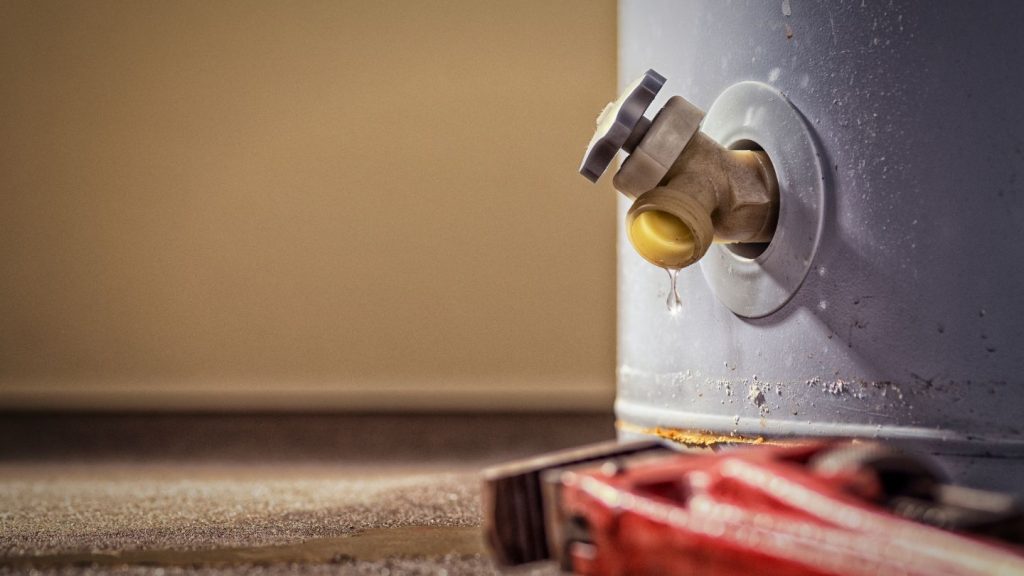
TL;DR:
- Puddles, rust, strange noises, foul smells, or higher utility bills are common warning signs of a leaking water heater.
- Leaks can come from fittings, valves, or internal corrosion—always rule out simple condensation first.
- Water leaking from the bottom of the tank usually means serious damage and often requires replacement.
- A leaking water heater is an emergency due to flooding, mold, structural damage, and electrical risks.
- Turn off power and water right away and call a professional; regular maintenance helps catch problems early.
Water heaters are essential appliances in our homes and businesses. However, when a leaking water heater goes unnoticed, it can quickly become a significant issue, potentially causing damage and inconvenience. Recognizing signs of a leaking water heater early on is crucial. Here are ten essential indicators to look for if you suspect your hot water tank is leaking:
1. Pooling Water or Water Drips Around the Heater
The most evident sign of a leaking water heater is the presence of water puddles or pooling around the unit. Even minor water accumulation should be noticed, as it might signal a leak that requires immediate attention. Check for visible drips, moisture, or water buildup around the connections, valves, or pipes linked to the water heater. Leaks might not solely originate from the tank but could occur in the fittings or connections.
If your water heater is leaking water consistently—even without visible pooling—it may be due to internal corrosion or a faulty seal.
2. Is it Condensation or a Water Heater Leak?
Upon noticing moisture around your water heater, don’t panic. First, rule out condensation as a potential cause before assuming it’s a leak.
- For gas water heaters: Wipe up the water, turn off the gas valve, wait, and check for water again; if it’s dry, it was condensation.
- For electric water heaters: Dry the exterior, check for uniform moisture; if present, it is likely condensation. Also, check if HVAC systems or water supply lines nearby could be the water source, as leaks from these could mimic a water heater issue.
3. Corrosion and Rust
Conduct a thorough inspection of the water heater, paying close attention to any signs of corrosion or rust, particularly around the fittings, valves, or the tank itself. Corrosion weakens the metal, making it susceptible to developing leaks.
4. Unusual Noises
An indicator of a leaking water heater can be unusual sounds like hissing, popping, or banging. These noises may indicate pressure issues or water contacting hot surfaces inside the tank.
5. Unexpected Rise in Utility Bills
Monitor your water bill for sudden and unexplained increases. An abrupt spike in your utility costs could be a red flag indicating a hidden leak in your water heater, even if it’s a small one that’s wasting water over time.
6. Inconsistent Water Temperature
Fluctuating or inconsistent hot water supply or sudden changes in temperature while using hot water might be due to a leak in the water heater, affecting its efficiency.
7. Foul Odors
Leaks in water heaters can create bacterial growth, resulting in a foul-smelling odor. Persistent odors may indicate internal damage that requires inspection to prevent further property issues.
8. Visible Pressure Relief Water Heater Leaks
Regularly check the pressure relief valve for any signs of leaks or continuous dripping. While the valve is designed to release pressure, continuous discharge could signify an underlying problem. Lower the temperature of the thermostat of your water tank.
If replacing the valve doesn’t solve the issue, the tank may be compromised.
9. Rusty Water
Rusty or discolored water from your hot water taps could indicate corrosion inside the tank, which often leads to the hot water tank leaking from the inside.
10. Visible Leaks from the Tank Top or Bottom
- My water heater is leaking from the bottom: this indicates a severe issue that requires immediate professional attention. Leaking from the tank’s bottom could suggest the tank is compromised and may need replacing.
- My water heater is leaking from the top: this may indicate issues such as leaking connections, a faulty TPR valve, or internal component deterioration. Damaged connections or a malfunctioning TPR valve can lead to water seepage, while internal corrosion may cause leaks.
Why Do Water Heaters Leak from the Bottom?
When your heater is leaking from the bottom, it’s often due to:
- Internal tank failure caused by corrosion
- Sediment buildup leading to overheating and cracking
- Faulty drain valves or pressure relief valve failure
Hot water leaking from the bottom of your tank is often a sign that the entire unit may need replacement.
Is a Water Heater Leak Considered an Emergency?
Yes, it is. A leaking water heater is absolutely considered an emergency due to the volume of water it holds and its proximity to electrical systems. Water leaking across flooring can cause mold, structural decay, and serious health hazards.
Addressing a leaking water heater early is crucial to mitigate these immediate and long-term consequences, prevent damage, and maintain a healthy living environment. The potential for electrical hazards often intensifies the urgency if the water reaches electrical components near the water heater. Thus, treating a leaking water heater as an emergency ensures swift action to minimize damage and protect the home’s integrity.
What To Do If Your Heater Is Leaking Water
First, turn off the power:
- Electric heater: Shut off the breaker.
- Gas heater: Turn the gas valve to “off.”
Next, shut off the water supply at the cold water inlet to prevent further water leaking.
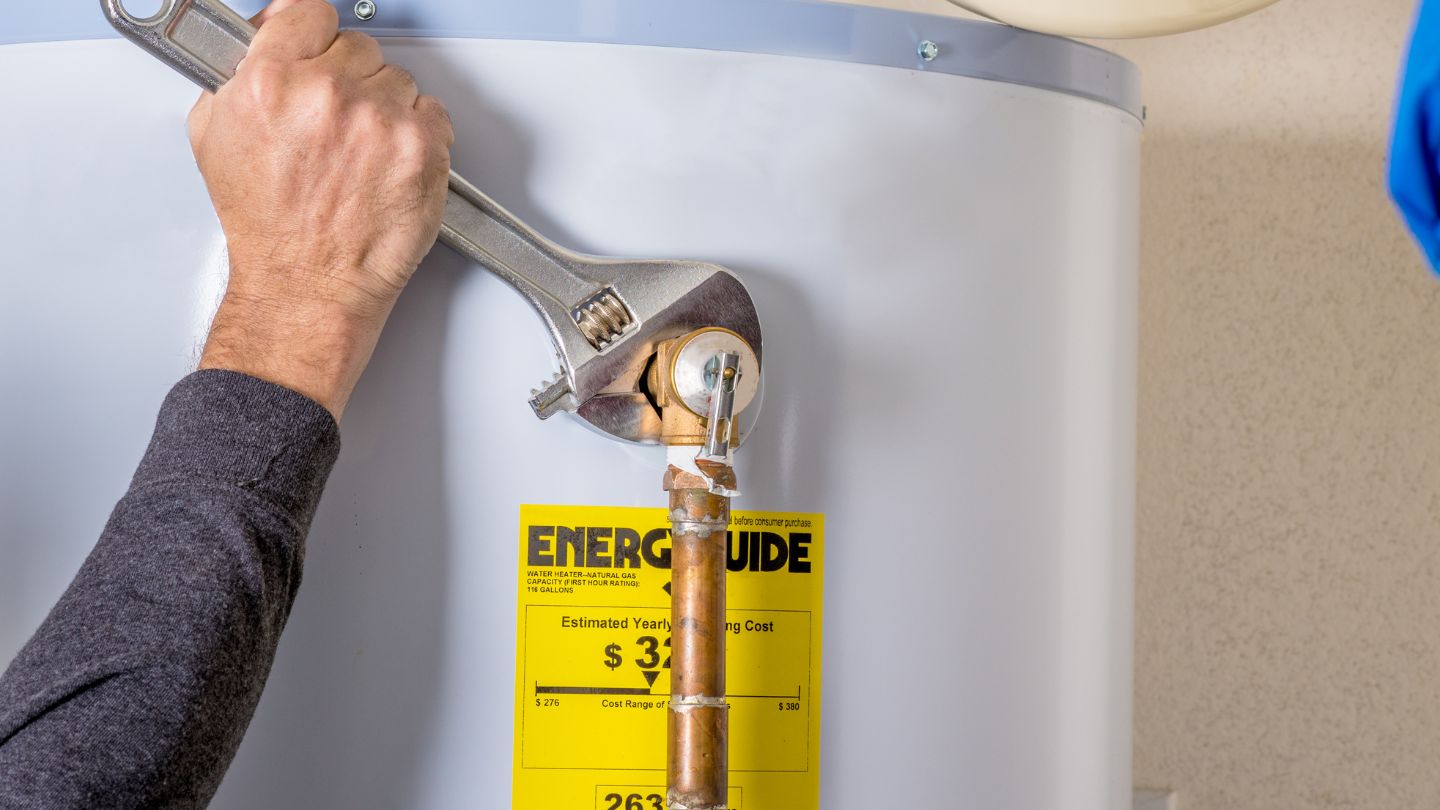
Then call a professional for immediate water heater repair. Waiting can lead to extensive damage and higher repair costs.
Can You Prevent a Water Heater from Leaking?
While you can’t prevent sudden water heater failure from happening, water heating and plumbing professionals recommend following preventive maintenance and routine unit checks to detect issues before these become major problems.
Follow these preventive tips to detect leaks and malfunctions in your water heating unit:
1. Flush the Tank
The buildup of sediment inside the tank can reduce efficiency and lead to leaks. Regularly flushing the tank helps remove sediment, maintaining the unit’s performance.
2. Check for Obvious Signs of Water Heater Leaking
If you spot water pooling at the base or beneath your water heater, it’s crucial to address it promptly. First, thoroughly dry the area, then carefully inspect all the fittings and connections. Should water persistently accumulate in these areas, it likely indicates a leak. Another effective method to determine if your water heater is leaking is to place paper towels or dry rags around the unit and pay close attention to fittings, valves, and the base. After a period, inspect the towels or rags for any visible signs of collected water. This method allows for a visible indicator of potential leaks, helping identify issues that may not be immediately apparent.
3. Checking Fittings and Connections
Loose connections can result in leaks. Periodically inspect fittings and connections to ensure they are secure and do not show signs of wear or deterioration.
4. Routine Inspections
Regularly inspect the water heater, looking for signs of corrosion, rust, or any unusual noises or odors that might indicate potential issues.
5. Temperature and Pressure Relief Valve Testing
Test the temperature and pressure relief valve once a year to ensure they function correctly. This valve prevents excessive pressure buildup inside the tank, reducing the risk of leaks. Keeping the temperature at a recommended setting of about 120 degrees Fahrenheit may prolong the life of your unit and prevent a water heater from leaking prematurely.
6. Anode Rod Replacement
The anode rod in your water heater tank helps prevent corrosion. Inspect and replace it if necessary to extend the life of your water heater and avoid any potential leaks. Some professionals recommend replacing the anode rod every 3-5 years to ensure maximum efficiency and a longer lifespan for your water heating unit.
7. Age of the Water Heater
Water heater units typically last 8- 10 years if maintained correctly. If your water heater is more than ten years old, it’s advisable to start thinking about replacing it. Older water heaters with damaged tanks and components are more prone to leaks or ruptures that can cause significant flooding and more extraordinary expenses.
8. Consider Installing a Water Heater Alarm System
Water heater alarms offer an early warning system by detecting moisture around the unit. These alarms promptly alert homeowners to leaks, allowing quick action to prevent water damage and costly repairs. Newer water heating system alarms come equipped with an automatic shut-off valve and are even equipped to work wirelessly through Wi-Fi, which can send an alert to your cellphone in the event of a water heater leak if you are away.
Being vigilant and attentive to these warning signs can help you detect water heater leaks early, potentially saving you from extensive damage and costly repairs. Don’t underestimate these signs— Call a professional and take the necessary steps to maintain your water heater’s efficiency and potentially avoid water damage to your property.
Water Heater Leaking? Call United Water Restoration Group for Assistance
Don’t wait for minor leaks to turn into major disasters. United Water Restoration Group offers swift and expert assistance when dealing with water damage from water heater mishaps. Our team of professionals is always ready to respond promptly to emergencies, providing comprehensive restoration services.
Specializing in extraction, drying, and water restoration, United Water Restoration Group ensures a rapid recovery process, guiding property owners through restoration and returning the property to its pre-damage state. Call us 24/7 for immediate assistance and professional water damage restoration.