100% Satisfaction
  24/7/365
  We Work With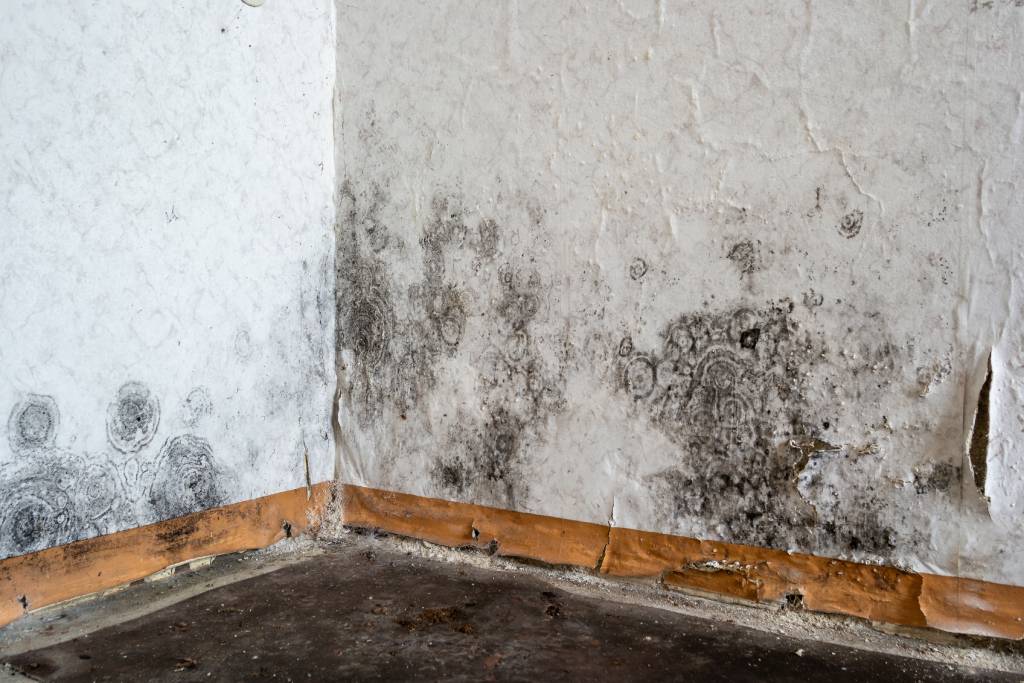
TL;DR: Mold in basement areas is usually caused by excess moisture, leaks, and poor airflow, and ignoring it can lead to health concerns and property damage. This blog explains what causes mold in basement spaces, how to identify the warning signs, and the most effective ways to remove and prevent future growth.
- Common causes of mold in basement include moisture problems, poor ventilation, past flooding, and water-damaged materials.
- A persistent mold smell in basement spaces or musty odor often signals hidden mold growth behind walls or flooring.
- Homeowners often ask, is the mold in my basement dangerous—some types are allergenic, while others pose greater health risks.
- Small areas can be treated with a mold remover, but larger infestations usually require professional remediation.
- Fixing leaks, reducing humidity, and improving airflow helps prevent mold growth long term.
Finding mold in basement spaces is a common issue for homeowners, especially in areas prone to dampness. Basements naturally collect moisture, and when that moisture isn’t controlled, it creates the perfect environment for mold to grow. Understanding what causes mold in basement areas and knowing how to address it quickly can protect your home, your health, and your property value.
What Causes Mold in Basement?
There are several causes of mold in basement environments, but nearly all of them come back to excess moisture. Basements are below ground level, which means they are more vulnerable to humidity, leaks, and condensation.
One of the most common triggers is poor ventilation. Without proper airflow, humid air becomes trapped, allowing mold spores to settle and grow on surfaces like drywall, wood, and insulation. Another frequent cause is foundation cracks or leaks that allow groundwater to seep inside. Even small, slow leaks can lead to serious moisture problems over time.
Past flooding or areas that have been water damaged also create ideal conditions for mold. If materials were not completely dried after a water event, hidden mold can begin forming behind walls or under flooring. High indoor humidity, especially during warmer months, can also contribute to the mold problem.
Signs You May Have Mold
Sometimes mold is visible, but often the first sign is a persistent mold smell in basement areas. This musty odor is caused by gases released as mold grows. If you notice musty smells that don’t go away with normal cleaning, it’s a strong indicator that mold may be present behind walls, under carpets, or in stored items.
You may also see discoloration on walls, peeling paint, or warped materials. In some cases, family members may experience allergy-like symptoms such as coughing, sneezing, or headaches.
Is the mold in my basement dangerous?
The answer depends on the type and amount of mold present. While some molds are mainly allergenic, others can pose more serious health risks, especially for people with asthma, allergies, or weakened immune systems. Any ongoing mold growth should be taken seriously.
How to Get Rid of Mold in Basement
If you’re wondering how to get rid of mold in basement spaces, the first step is to address the moisture source. Without fixing the underlying issue, mold will likely return.
For small areas, you can use a household mold remover or a vinegar-based solution to clean affected surfaces. Always wear gloves and a mask, and make sure the area is well ventilated. Remove and discard heavily contaminated materials such as soaked cardboard or insulation.
For larger infestations or hidden growth, professional remediation is recommended. Specialists can locate moisture sources, safely remove mold, and restore affected materials.
How to Prevent Mold Growth in the Future
The best way to avoid recurring issues is to prevent mold growth before it starts. Improve airflow by adding vents or using fans and dehumidifiers. Repair leaks promptly, seal foundation cracks, and keep humidity levels below 50 percent.
Regular inspections can help you catch early warning signs before they become a major mold problem. Keeping your basement clean, dry, and well-ventilated reduces the chance of another outbreak.
By understanding what causes mold in basement areas and taking proactive steps, you can eliminate existing mold and maintain a healthier, safer home environment.