


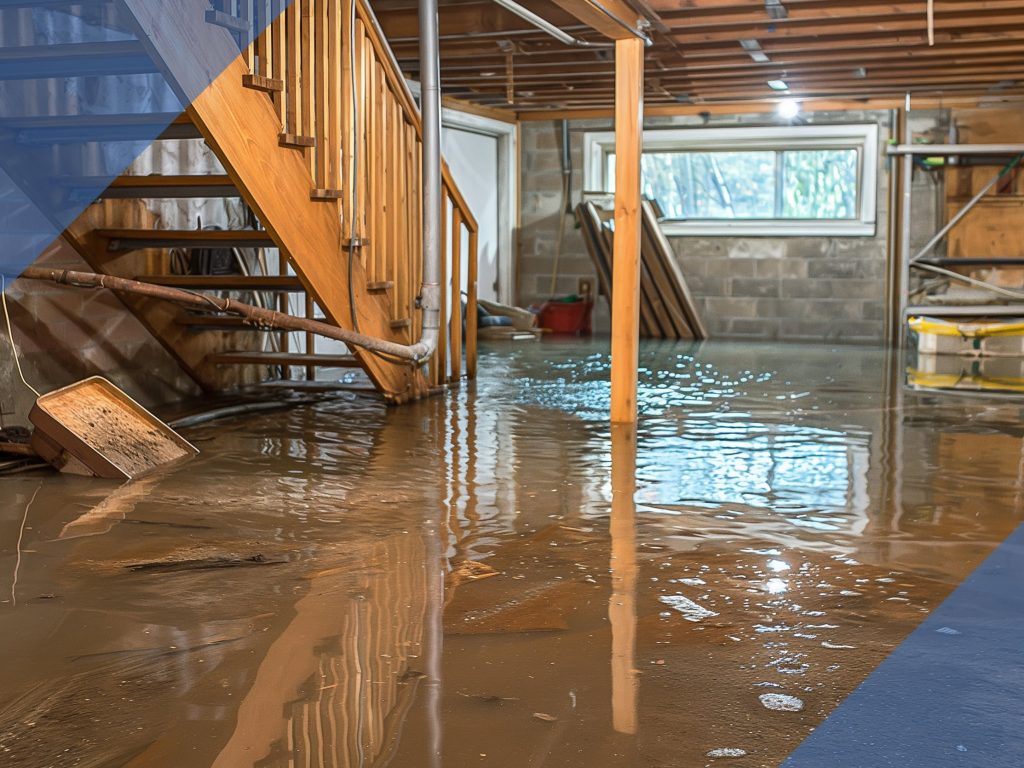
When flooding hits a Jacksonville home, whether it’s from a storm, a burst pipe, or a slow leak that finally gave out, the clock starts running the second water touches the floor. That’s why so many homeowners searching for fast water damage restoration services want a team that moves fast, and it’s a question we hear all the time at United Water Restoration Group of Jacksonville: why do we push so hard on response speed?
The answer is pretty simple. Water that sits around longer costs more, both in damage and in dollars, and it can put a household’s health at risk in ways that aren’t always easy to spot right away.
The First 24 to 48 Hours Matter Most
Water damage follows a fairly predictable pattern in the first two days after flooding. Materials that are wiped down or dried quickly, drywall, baseboards, some types of flooring, often have a real chance of being saved rather than replaced. Once that window passes, the same materials typically absorb enough moisture that drying alone isn’t enough anymore.
This is also the window where mold spores, which are present in nearly every indoor environment already, start finding the moist conditions they need to actually grow and spread. Mold doesn’t need much time once conditions are right, and once it takes hold behind a wall or under flooring, the remediation involved becomes a much bigger project than the original water damage.
What could have been a straightforward extraction and drying job can turn into weeks of additional work once mold enters the picture.
How Standing Water Damages a Home Beyond What You Can See
Water spreads further than most homeowners expect, often traveling well beyond the visible wet area through capillary action in materials like drywall and wood. A puddle in one corner of a room can mean moisture has already wicked several feet up a wall or spread underneath flooring into an adjoining room, invisible until it’s checked with the right equipment.
Left alone, this hidden moisture continues to weaken structural materials over time. Subflooring can warp or delaminate, drywall can lose its structural integrity, and wood framing can begin to soften, none of which is obvious from a quick glance at the room.
That’s exactly why a proper assessment with thermal imaging and moisture meters matters so much in the early hours after flooding.
The Financial Difference Between Fast and Slow Response
From a purely practical standpoint, faster water extraction and removal almost always costs less than a delayed response. Materials that can be dried and saved cost far less than materials that need to be torn out and replaced, and the labor involved in a straightforward extraction and drying job is far less than what’s needed for a full mold remediation and reconstruction project.
Insurance carriers factor this into claims as well, since most policies expect a homeowner to take reasonable steps to prevent further damage once a loss occurs. A fast, documented response supports a smoother claims process, while a delayed response can sometimes raise questions about whether the damage could have been minimized with quicker action.
This is one more reason it helps to call a certified team the same day damage is discovered rather than waiting to see how things look in the morning.
Health Risks That Come With Delayed Water Removal
Beyond the structural concerns, standing water and the mold growth that follows it can create real health risks for a household, particularly for anyone with asthma, allergies, or a compromised immune system. Musty odors that develop after a flood are often a sign that mold has already started growing somewhere in the home, even before it becomes visible.
Floodwater from storms can also carry contaminants depending on its source, which is part of why professional extraction matters rather than just towel drying and running fans. Removing the water properly and drying the space to a verified safe level protects both the structure and the people living in it, not just the surfaces you can see.
What Fast Water Removal Actually Looks Like
When our team arrives at a flooded property, extraction starts immediately using pumps and vacuums built to pull large volumes of water quickly, rather than relying on smaller equipment that takes longer to clear a space. This first step alone dramatically reduces how much water has time to soak into materials before drying even begins.
From there, thermal imaging and moisture meters map out exactly where water has traveled, including areas that look dry on the surface, so drying equipment gets placed where it’s actually needed rather than guessed at. This combination of fast extraction and precise assessment is what separates a quick, thorough recovery from a longer, more expensive one.
Why Response Time Should Be Part of Your Decision
When choosing who to call after flooding, response time deserves as much weight as reputation or price. A company that can’t get a certified technician to your property quickly is asking your home to sit in standing water longer than it needs to, and that delay compounds every hour it continues.
We built our team around answering calls 24 hours a day, every day of the year, specifically because flooding doesn’t wait for business hours, and neither should the response to it. Getting water removal started fast is one of the simplest, most effective things you can do to protect a flooded home from becoming a much bigger project than it needed to be.
Related Topics: