


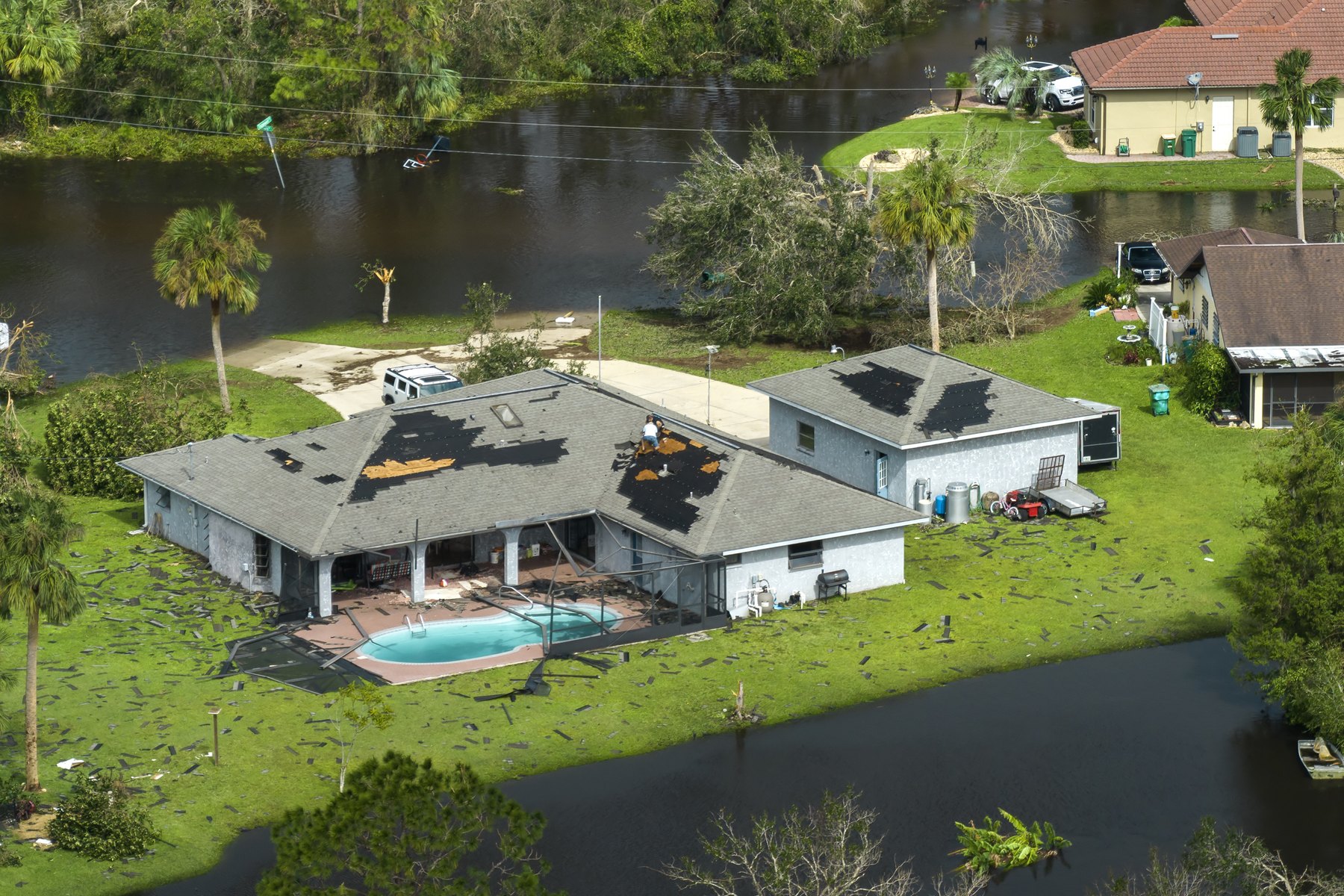
Anyone who has lived in Northeast Florida through a hurricane season knows storms here rarely give much warning before they turn a normal afternoon into a soaked living room or a flooded office floor. Between wind-driven rain, heavy downpours, and the occasional storm surge, Jacksonville properties face water damage risks that a drier climate doesn't.
A professional water damage restoration team in Jacksonville, FL, can spot these problems fast and get ahead of the damage before it compounds. Knowing what those risks look like helps a property owner catch a problem early, before it gets expensive.
Wind-Driven Rain and Roof Leaks
When a storm rolls through with strong, sustained winds, rain doesn't just fall straight down onto a roof. It gets pushed sideways under shingles, into soffits, and through small gaps around vents and flashing that would never let water in during a normal rainstorm.
This is one of the sneakier forms of storm damage because the entry point is often nowhere near where the stain eventually shows up.
A roof that looks fine from the ground can still be letting water into the attic, traveling along rafters or insulation before it drips through drywall. By the time a property owner notices a brown ring on a ceiling, the water has usually been sitting for a while, the kind of delay that turns a manageable repair into a bigger one.
Catching that kind of leak early is exactly why storm damage restoration in Jacksonville often starts with a roof and attic inspection before anything else.
Flooding From Heavy Rainfall and Storm Surge
Jacksonville sits close to the St. Johns River and the Atlantic coastline, which means heavy rain events and storm surge can push water into homes and businesses that are not directly on the water.
Low-lying streets flood fast during a strong storm, and that water does not always stay outside. It finds its way in through door thresholds, garage slabs, and ground-level entry points that were never built to hold back standing water.
Commercial properties with ground-floor retail space or storage areas face a similar risk, often with more square footage exposed at once. A flooded parking lot outside a business is one problem, but water reaching inventory or flooring inside is costlier, and it tends to happen faster than people expect.
Fast water removal after flooding is what keeps a few inches of standing water from becoming a much larger repair.
Dealing with standing water in your home or business right now after a storm? Call us at (904) 312-7990, and we will get a certified crew moving fast.
Hidden Moisture Behind Walls and Under Flooring
Storm water rarely stays where it lands. Once it gets past a roof, a window seal, or a door threshold, it spreads behind drywall, under baseboards, and beneath flooring in ways that are not visible from a quick look around a room. A carpet can feel dry on the surface while the padding underneath stays soaked for days.
This is where equipment matters more than guesswork. Our technicians use thermal imaging and moisture detection tools to find water that has traveled somewhere it should not be, rather than assuming a space is dry because nothing looks wet.
Knowing what to do after water damage shows up behind a wall can prevent a small leak from becoming a much bigger tear-out.
Mold Growth Following Storm Water Exposure
Florida heat and humidity create close to perfect conditions for mold once a structure has taken on water. Given the right combination of moisture and warm indoor air, mold can start forming within a day or two, especially in spaces that were not fully dried out. Bathrooms, closets, and interior walls near the original leak point are usually where it shows up first.
Our technicians are IICRC and IRI certified, which covers the standards for how water intrusion should be assessed and dried to reduce the chance of mold taking hold. Structural drying equipment and dehumidifiers run for as long as it actually takes to bring moisture levels back down, not just until a space looks dry on the surface.
Structural Damage and Delayed Repairs
Water that sits too long inside a wall cavity or under flooring can start to affect the materials themselves. Wood framing can warp or soften, subflooring can weaken, and electrical components in a wet area can become a genuine safety hazard.
None of this happens immediately, which is part of what makes it dangerous, since the damage builds quietly over days while a property owner assumes the worst has passed.
Storm damage addressed within the first day or two is almost always less expensive and less disruptive to repair than damage that sits untreated for a week. A short delay in calling for an assessment can turn a straightforward drying job into a project that involves replacing structural materials.
What To Do Right After a Storm
If it is safe, the priority is stopping further intrusion and staying clear of hazards until a certified team arrives.
- Place a tarp over an exposed roof section, or shut off water to a damaged fixture, if it is safe to do so.
- Avoid standing water near outlets, panels, or any electrical component.
- Move valuables and furniture away from any area that took on water.
- Photograph the damage where it is safe to do so, for the insurance claim.
- Contact a certified restoration team for an assessment rather than waiting to see if the area dries on its own.
From there, the fastest path forward is getting a certified team on site to assess the full extent of the damage, including anything hidden behind walls or under flooring. Our team offers a free assessment before any work begins, so a property owner knows exactly what they are dealing with before committing to a repair plan.
Frequently Asked Questions
How fast can storm damage turn into mold in a Jacksonville home?
Mold can begin developing within a day or two if water is not extracted and the area is not properly dried.
Does insurance typically cover storm-related water damage?
Most policies cover sudden storm damage such as wind-driven rain intrusion or flooding, though coverage varies by policy. We bill insurance carriers directly and help guide property owners through the claim.
What should I do first after a storm floods my property?
If it is safe, stop further water intrusion where possible, avoid electrical hazards in wet areas, and contact a certified restoration team for an assessment.
Can hidden water damage behind walls be detected without tearing them open?
Yes. Thermal imaging and moisture detection tools allow our technicians to locate water behind walls or under flooring without unnecessary demolition.
Do you handle both residential and commercial storm damage?
Yes. Our team responds to storm damage at homes and commercial properties, including offices, retail spaces, and multi-unit buildings across Jacksonville.
Get Storm Damage Help Now
Storm damage rarely waits for a convenient time, which is why United Water Restoration Group of Jacksonville is available 24 hours a day, every day, across Jacksonville and the surrounding Northeast Florida communities. Call us at (904) 312-7990 or schedule a free assessment with a certified crew ready to get to work.