


A two- or three-story home comes with a water damage risk that single-story houses just do not deal with in the same way. When something goes wrong on an upper floor, gravity does the rest of the work. A small leak in a bathroom or laundry room can end up affecting a ceiling, a stairwell, maybe even multiple rooms below, all before anyone notices.
Knowing where these problems tend to start makes it a bit easier to catch them early, before the damage works its way through the whole house. And honestly, getting ahead of it early, or reaching out to local water damage restoration services in Jacksonville, FL, can save a lot of time and money down the road.
Upper Floor Plumbing Failures
Bathrooms and laundry rooms on the second or third floor are among the most common sources of water damage in multi-story homes. A slow leak around a toilet base, a cracked supply line under a sink, or a washing machine hose that eventually gives out can send water straight down through the subfloor and into the ceiling of the room below.
Plumbing failures like these are actually among the common causes of residential damage we see across Jacksonville homes.
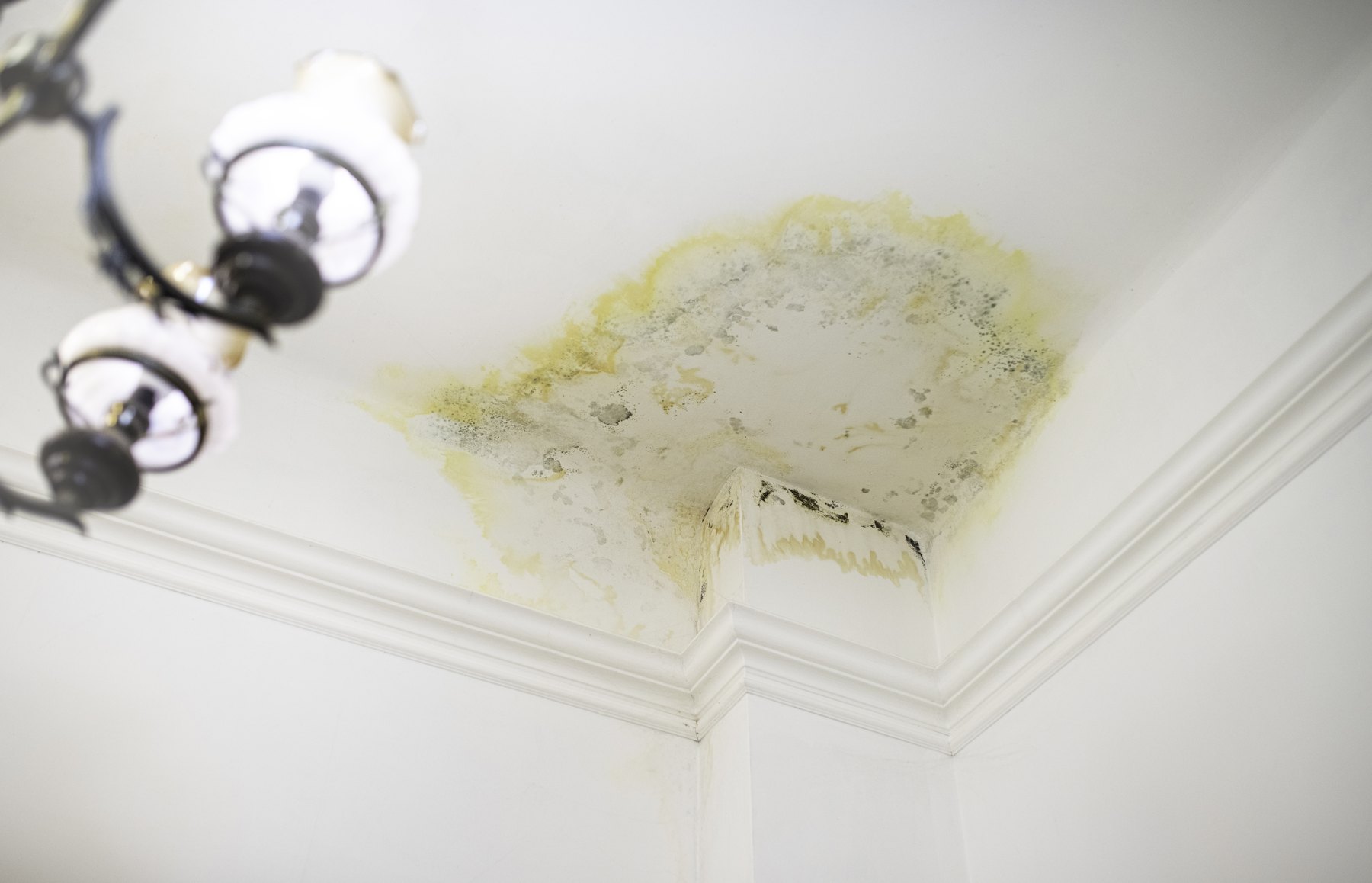
What makes this especially tricky is that the leak is not always obvious from the room where it starts. A homeowner might notice a stain forming on a first-floor ceiling long before they realize the actual source is a slow drip happening two floors up, which means the visible damage and the actual cause can be in completely different parts of the home.
Water Heater and Appliance Leaks on Upper Levels
Some homes place a water heater in an upstairs closet or utility space to save square footage elsewhere, which works fine until that unit develops a leak or fails outright.
A failed water heater on an upper floor can release a large volume of water quickly, and depending on where it is located, that water often has nowhere to go but down through flooring and into the structure below. When that happens, water damage restoration in Jacksonville usually needs to start on the same day to keep the damage from spreading further.
The same risk applies to any major appliance installed above the ground floor, including washing machines and dishwashers in homes with upstairs laundry setups. A supply line failure or a clogged drain hose can turn what should have been a contained appliance issue into water traveling through ceilings and walls on the floor beneath it.
Notice a stain spreading across a ceiling below a bathroom or laundry room? Call us at (904) 312-7990, and we will trace the source before it spreads further.
Roof Leaks That Travel Further Than Expected
In a multi-story home, a roof leak does not just affect the attic or the top floor ceiling. Water entering through a damaged shingle or a failed flashing point can travel along framing members, follow the path of least resistance through wall cavities, and show up as a stain or soft spot on a lower level entirely, sometimes far from where the roof damage actually started.
Getting ahead of it usually means drying a damaged home at every level the water has reached, not just the room where the stain appears. This is part of why a roof leak in a taller home can be harder to diagnose without a proper inspection.
The visible sign of damage is often not directly below the entry point, so guessing the source without tracing the full path water could have taken often misses the real problem.
HVAC Condensation and Drain Line Issues
Multi-story homes often have HVAC equipment installed in attics or upper level closets, and the condensate drain lines attached to that equipment are a common, quiet source of water damage.
When a drain line clogs or a condensate pan overflows, water can slowly leak into the surrounding structure for weeks before it becomes visible anywhere a homeowner would normally look.
Because this type of leak tends to be slow and steady rather than sudden, it is one of the more common causes of hidden moisture damage and eventual mold growth in upper floors and attic spaces, particularly in a humid climate like ours here in Northeast Florida.
Why Location Makes Diagnosis Harder
The layout of a multi-story home means water damage almost never stays confined to where it started. A leak on the third floor can affect the second floor ceiling, the second floor flooring, and the first floor ceiling below that, all from a single source. Tracing that path accurately requires more than a visual inspection of the room where the damage is visible.
Our technicians use thermal imaging and moisture detection tools specifically because they allow us to trace water intrusion back to its actual source rather than just treating the room where the stain happens to show up. This matters most in taller homes, where the distance between the source and the visible damage can be significant.
Warning Signs Worth Taking Seriously
A few signs tend to show up before water damage becomes an obvious, visible problem, and they are worth checking out rather than dismissing.
- A musty smell on an upper floor that was not there before.
- A soft or spongy feeling in flooring near a bathroom or laundry area.
- A ceiling stain that grows slowly over days rather than appearing all at once.
- Unexplained increases in humidity in a specific part of the home.
Catching these early signs before they turn into a ceiling collapse or extensive mold growth is almost always less disruptive and less costly than waiting until the damage becomes impossible to ignore.
Frequently Asked Questions
Will you find hidden moisture I cannot see?
Yes. Thermal imaging and moisture meters are used to detect water that has spread behind walls, under flooring, or into other hidden areas.
Do you offer structural drying services?
Yes. Structural drying is used to dry out walls, floors, and other building materials affected by water intrusion.
Can water damage restoration fix a leaking pipe?
Yes. The Jacksonville office offers leak detection and repair as part of its water damage restoration services.
Do you offer free assessments for water damage?
Yes. The Jacksonville office offers a free assessment before restoration work begins.
United Water Restoration Group of Jacksonville offers free assessments for homeowners dealing with water damage in multi-story homes across Jacksonville, Fleming Island, Ponte Vedra Beach, and surrounding Northeast Florida communities. Call us at (904) 312-7990 or request a free assessment to have a certified technician trace the source, not just the stain.