


Living in Jacksonville means living with hurricane season as a yearly reality rather than a distant possibility. Most homeowners here already know the drill for boarding windows and stocking supplies, but water damage preparation tends to get less attention than it deserves. It is, kind of, the damage that sticks around longest after the storm has moved on.
And that part matters. When the wind dies down, the water situation is usually just getting started. Having dependable water damage restoration services in Jacksonville, FL, already on your radar before a storm hits can save you a lot of scrambling when it really counts.
Why Jacksonville Homes Face Real Hurricane Risk
Northeast Florida sits directly in the path of tropical systems that bring heavy rain, storm surge, and high winds that can compromise a roof or force water in through areas that hold up fine under normal weather.
A roof that has held strong through years of regular Florida rain can still fail under sustained hurricane-force winds, letting water into an attic or upper floor in a way that would not happen otherwise, and this kind of storm damage restoration often starts with a roof failure nobody saw coming.
Homes across Jacksonville, Fleming Island, Ponte Vedra Beach, St. Johns, and the surrounding communities all share this exposure, regardless of how far inland or close to the coast they sit.
Storm surge and flooding tend to get the most attention, but wind-driven rain that finds its way through a damaged roof or around window seals can cause just as much water damage in homes that never technically flooded.
Preparing Your Home Before a Storm Arrives
A handful of checks before hurricane season ramps up cover most of what tends to go wrong once a storm actually arrives.
- Check the roof for loose or damaged shingles, since a small existing weakness is exactly where wind-driven rain finds its way in
- Clear gutters and downspouts so drainage moves water away from the foundation and roofline instead of pooling against it
- Move furniture, electronics, and important documents away from ground level or basement areas
- Know the location of the home's main water shutoff valve in case storm damage includes a plumbing issue on top of wind and rain
Noticed a soft spot on your roof or gutters overflowing before the next storm system moves through? Call us at (904) 312-7990 so we can take a look before hurricane season turns a small weak point into a bigger repair.
What Happens to a Property During and Right After a Storm
During the storm itself, water intrusion often happens quietly compared to the wind and noise outside, seeping in around a damaged roof section or a compromised window seal well before anyone notices standing water inside.
By the time the storm passes and someone can safely check the property, water removal after flooding may already be needed, since water can reach flooring, drywall, or insulation in ways that are not immediately obvious from a quick walk-through.
This is why a post-storm inspection matters even for homes that don't show obvious damage on the outside. A missing shingle or a small gap around a vent pipe can let in more water than people expect over the course of an extended storm, and that moisture does not always announce itself right away.
The First Steps After the Storm Passes
Once it is safe to move around the property, a careful walk-through looking for standing water, ceiling stains, or damp areas near windows and vents is the right first move, done only after confirming there are no downed power lines or structural hazards nearby.
Photographing any visible damage before touching anything helps support an insurance claim later, since documentation from the earliest possible point tends to make that process move faster.
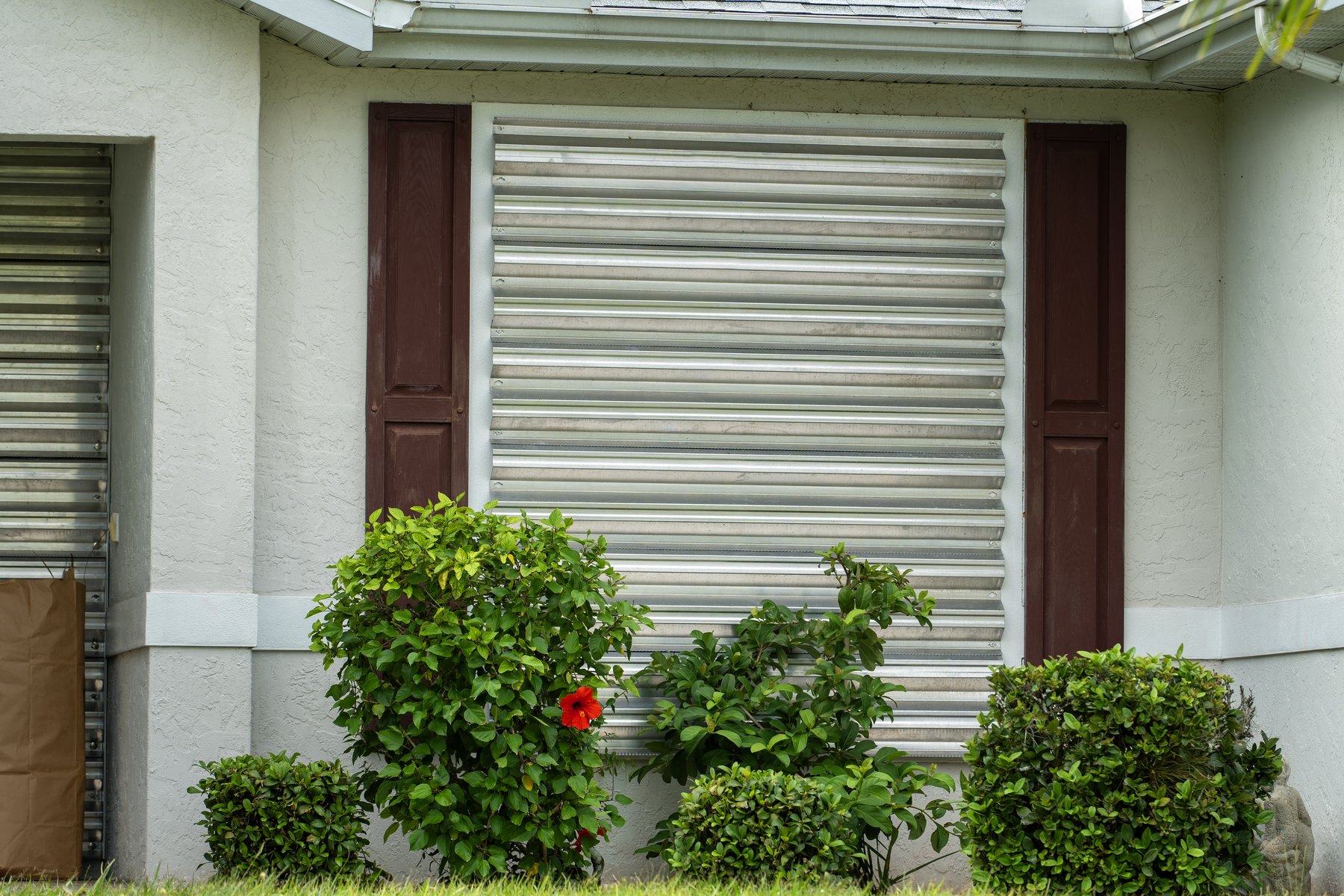
If a roof has been compromised, emergency board-up or tarping to stop further water intrusion should happen as soon as it is safe to arrange, since every additional hour of exposure after a storm adds to how much water gets inside. This is exactly the kind of situation where waiting a day or two to see how things look usually makes the eventual cleanup bigger than it needed to be.
Why Fast Response Matters More With Storm Damage
Storm damage tends to combine several problems at once, wind damage to a roof, water intrusion, and sometimes structural risk, all in the same property, which is different from a single contained leak. That combination is exactly why a fast, coordinated response matters more here than with an isolated plumbing issue, since delays let each problem compound the others.
Humidity in the days after a Jacksonville hurricane also works against any property with storm damage, slowing natural drying and increasing the odds that moisture behind walls sets the stage for mold in areas that got wet but weren't extracted and dried properly. The gap between a storm passing and a certified team starting structural drying often matters more than the storm itself.
How Our Team Supports Jacksonville Homeowners Through Storm Recovery
Our team is available 24 hours a day, every day of the year, which matters most in exactly the kind of situation a hurricane creates. We handle water extraction, structural drying, boarding up and tarping to stop further intrusion, mold prevention, and full reconstruction, all under one Jacksonville office instead of requiring homeowners to coordinate separate vendors for each piece of storm recovery.
We also bill insurance carriers directly and help guide property owners through the claims process, which is often one of the most stressful parts of storm recovery for homeowners already dealing with a damaged property.
Storm Recovery Timeline at a Glance
| Phase | What to Focus On |
|---|---|
| Before the storm | Roof check, clear gutters, move valuables, know the water shutoff location |
| During the storm | Stay away from windows and doors, monitor for leaks only if it is safe to do so |
| Right after the storm | Check for downed lines and structural hazards before walking the property |
| First 24 to 48 hours | Photograph damage, arrange board up or tarping, call for a certified assessment |
Frequently Asked Questions
How soon after a hurricane should I have my property inspected?
As soon as it is safe to move around the property. Hidden moisture behind a roof section or window seal does not always show up right away, so an early inspection catches problems before they spread.
Does storm damage automatically mean a mold problem?
Not automatically, but Jacksonville's humidity after a hurricane slows natural drying, which raises the risk the longer wet materials go untreated.
Can one company handle wind damage and water damage together?
Yes. Our team handles water extraction, structural drying, board up and tarping, and reconstruction under one Jacksonville office.
Will insurance cover hurricane related water damage?
Most policies cover sudden storm intrusion, though coverage depends on the individual policy. We bill carriers directly and help walk you through what is covered.
If a hurricane has left water damage behind in your Jacksonville home or business, reach out to us or call (904) 312-7990 for a free assessment. Our certified team is available 24 hours a day, every day of the year, ready to help however you need.