



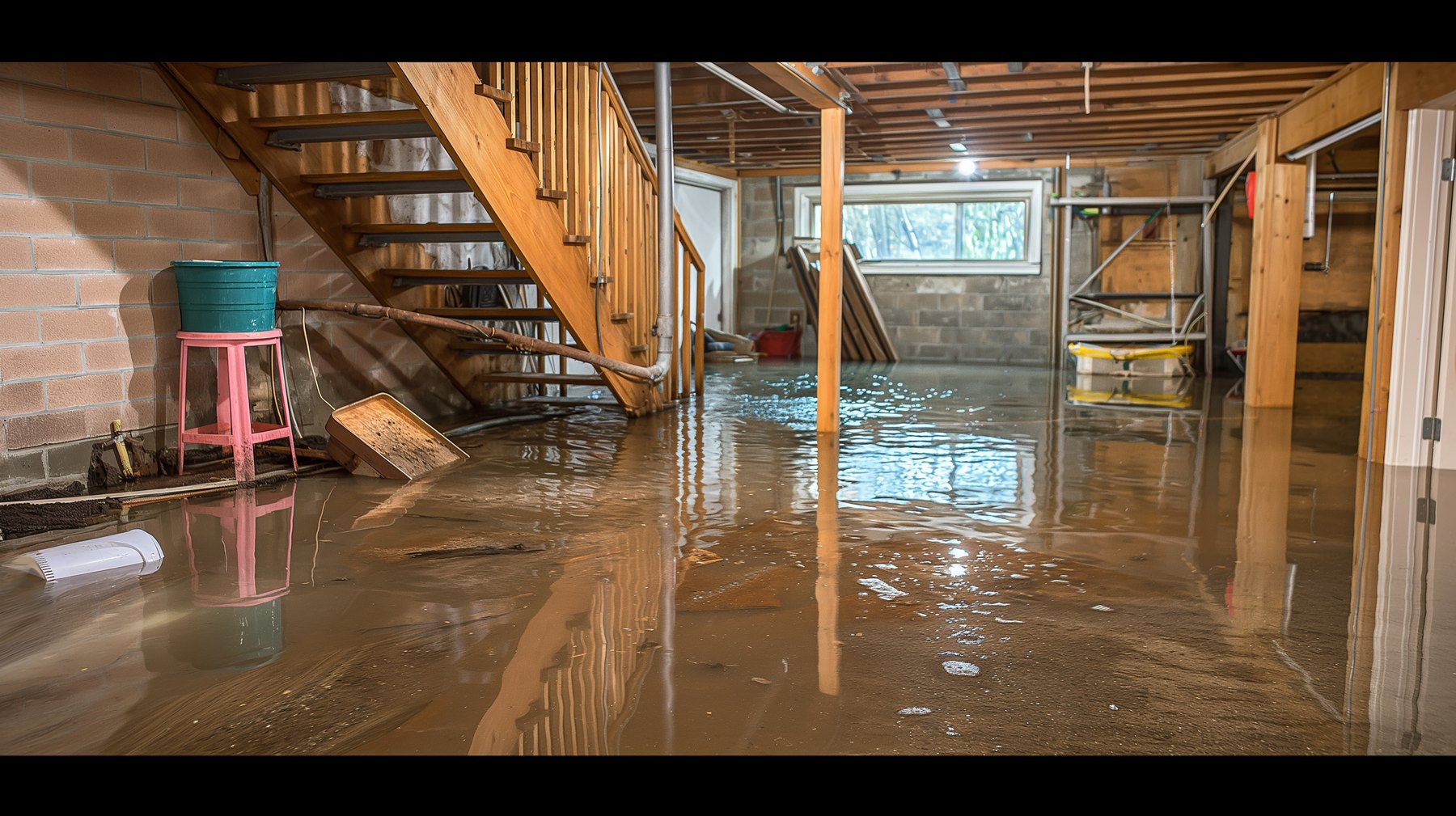
A flooded room gets most of the attention during a water damage event: the soaked carpet, the stained ceiling, and the obvious mess. Furniture often gets overlooked until days later, once someone notices a dresser drawer will not close right or a dining table has developed a strange texture.
By then, the damage has usually had time to settle in deeper than it needed to. If you want the best shot at saving what you have, reaching out to the leading water damage restoration services in Jacksonville, FL, early makes a real difference.
Why Hardwood Furniture Reacts Differently Than Other Materials
Wood is porous, which means it absorbs moisture rather than simply shedding it the way a plastic or metal surface would.
Once water gets into solid wood furniture, it does not just sit on the surface, it works its way into the fibers of the wood itself, which is why furniture damage often looks worse the longer it goes unaddressed rather than staying the same. Addressing this early is part of what proper water damage restoration involves, not just an afterthought once the floors and walls are handled.
Veneer furniture behaves a little differently than solid wood, and not in a good way. The thin layer of real wood bonded to a cheaper base can bubble, separate, or peel away entirely once moisture gets underneath it, sometimes within a much shorter window than solid wood would take to show similar damage.
Antique or older furniture pieces tend to be even more vulnerable, since older finishes and glues often were not built to handle sustained moisture exposure.
The First Signs Water Has Reached Your Furniture
The earliest signs are usually subtle, and they tend to show up in this order.
- Drawers or cabinet doors that suddenly stick or will not close properly, since wood expands as it absorbs moisture
- A slightly musty smell near a piece of furniture, even without any visible staining yet
- Discoloration, dark spots, or a whitish cloudy haze under the finish
- Joints that feel looser than they used to, or legs and feet that show stress after sitting in standing water
| Solid Wood | Veneer |
|---|---|
| Absorbs moisture into the fibers, damage builds gradually | Thin real wood layer can bubble or peel once moisture gets underneath |
| Warping and cracking usually take longer to appear | Damage can show up in a much shorter window than solid wood |
| Often has more material to work with when drying and restoring | More vulnerable overall, especially on older or antique pieces |
What Happens If Water Sits Too Long
Left untreated, water-damaged wood furniture can warp, crack, or split as it dries unevenly, which is often worse for the piece than the original moisture exposure itself. Glue joints holding a chair or table together can weaken and fail, sometimes long after the furniture looks dry on the outside, because moisture can still be trapped inside the joint.
Furniture leaks, connection failures, and other common causes of residential damage often start small before spreading to nearby pieces.
Mold is the other real risk here, and it is not limited to walls and flooring. Wood furniture that stays damp, especially in an enclosed space like the underside of a cabinet or the back of a dresser against a wall, can develop mold growth within the same short window as any other porous material in a flooded home.
Noticed a drawer that suddenly sticks or a musty smell near a wood piece after a leak? Call us at (904) 312-7990, and we will take a look before the damage sets in deeper.
Humidity in Jacksonville and Why It Makes Things Worse
Jacksonville's climate does not do furniture any favors after a water damage event. High humidity slows natural drying, so furniture that might dry safely in a drier climate can stay damp here much longer than expected without help. That extended damp period is exactly the kind of window mold and warping need to take hold.
This is part of why a fast response matters just as much for furniture as it does for flooring or drywall. The same humidity that makes a Jacksonville summer feel heavy in the air works against wood furniture sitting in a room after a flood or leak, which is another reason drying shouldn't be left to open windows and a box fan alone.
What Our Team Does to Save Furniture When Possible
When we respond to a water damage call, furniture is not an afterthought tacked onto the end of the visit.
Our technicians use the same structural drying approach for the rest of the property: controlled air movement and dehumidification, adjusted based on how wood needs to dry compared to drywall or flooring. Drying wood too quickly can cause cracking, so pacing matters here more than people realize.
Thermal imaging and moisture detection tools also come into play with furniture, particularly for pieces that look dry on the surface but may still hold moisture inside a joint or beneath a finish, much like moisture behind walls that goes unnoticed until it has already spread.
Catching that hidden moisture early often makes the difference between a piece that can be saved with proper drying and one that's too far gone to restore.
When Furniture Cannot Be Saved and What Comes Next
Not every piece survives a serious water event, and that is a hard reality worth being upfront about rather than promising more than is realistic. Furniture that has been warped badly, developed extensive mold growth, or had glue joints fail beyond repair, usually is not salvageable, no matter how quickly drying begins.
For everything else affected by the same water damage event, whether it is flooring, drywall, or structural framing, our team handles the full restoration process, extraction, drying, and repair, so you are not left coordinating separate specialists for each part of the loss.
Frequently Asked Questions
Can water damaged furniture actually be saved?
Often, yes, if it is dried properly and quickly. Pieces with severe warping, extensive mold, or failed glue joints usually cannot be restored.
Is veneer furniture more at risk than solid wood?
Yes. The thin real wood layer on veneer can bubble or separate from its base once moisture gets underneath, sometimes faster than solid wood shows similar damage.
Does Jacksonville's humidity affect how furniture dries?
Yes. High humidity slows natural drying, so furniture that would dry safely in a drier climate can stay damp here much longer without help.
Will your team dry furniture along with the rest of my home?
Yes. We use the same structural drying approach across the property, adjusted for how wood specifically needs to dry compared to drywall or flooring.
If water damage has reached furniture or anything else in your Jacksonville home or business, contact us or call (904) 312-7990 for a free assessment. Our certified team is available 24 hours a day, every day of the year, ready to help however you need.