


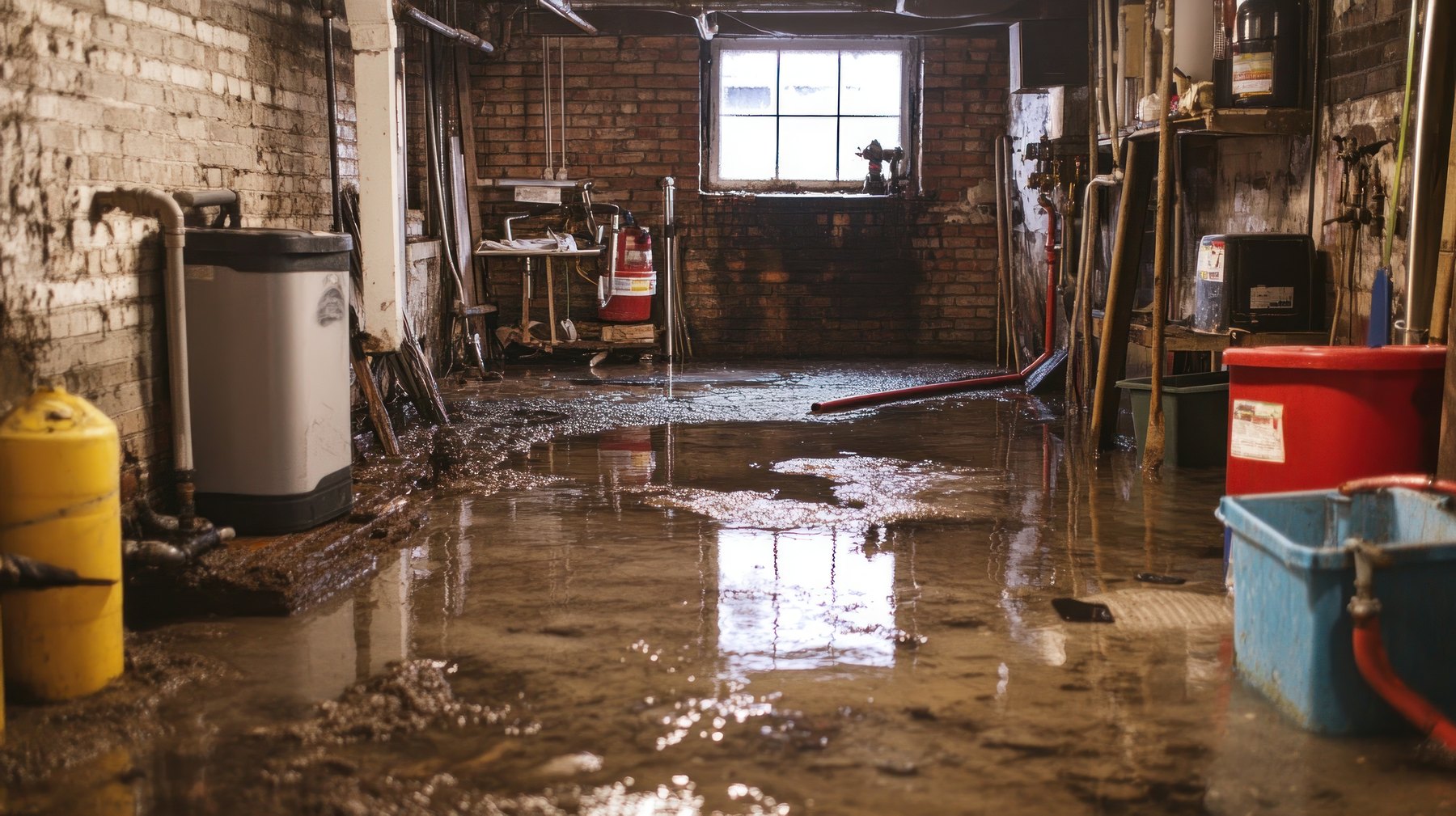
Water damage rarely announces itself politely. A hose fails behind a washing machine, a pipe splits inside a wall, or a storm finds a way in through the roof, and a normal day turns into an emergency. If this is your first time going through it, not knowing what happens next can be almost as stressful as the water itself.
That is exactly why having a reliable water damage restoration team on the line matters from the very first call. Here is what actually happens once our crew gets to you in Jacksonville.
The First Call and What We Ask
The process starts with a phone call, usually a fast one. We ask a few questions right away about where the water is coming from (if known), how long it has been sitting, and whether there are any immediate safety concerns, like exposed electrical outlets in the affected area.
None of this is meant to slow you down, it is meant to get a technician dispatched with the right equipment already in mind.
Our team is reachable any time, day or night, every day of the year. That availability matters because water damage doesn't wait for a convenient hour, and neither should the response.
Arriving On Site and Assessing the Damage
Once a technician arrives, the first job is figuring out exactly how far the water has traveled, not just what is visible on the surface. We use thermal imaging and moisture detection tools to check behind walls, under flooring, and in other spots where water tends to hide after a leak or flood.
A wet carpet is obvious. Moisture that has crept two feet up a wall cavity is not, and missing it is how small problems turn into much bigger ones during water damage restoration.
This stage also covers a safety check of the property itself. If there is standing water near an electrical panel, or if a ceiling looks at risk of sagging from saturation, we flag it and address it before anything else moves forward. Every property is different, so this part of the visit is never rushed.
Hearing water where it should not be, behind a wall, under a floor, or dripping through a ceiling? Call us at (904) 312-7990, and we will get a technician moving before it spreads further.
Stopping the Water and Removing What Cannot Be Saved
Once we understand the scope of the damage, the next step is to extract standing water and remove anything too far gone to save, including soaked carpet padding, waterlogged drywall, or damaged insulation. Leaving these materials in place does not just delay drying, it actively feeds mold growth, so this removal step happens early rather than as an afterthought.
If the water damage traces back to a specific source, like a failed pipe or a leaking appliance connection, our technicians also handle leak detection and repair as part of the same visit.
These sit among the common causes of residential damage we see across Jacksonville, and fixing the source matters just as much as cleaning up what it already caused, otherwise the same emergency call ends up happening again in a few weeks.
Drying the Structure the Right Way
Drying is not just running a few fans and hoping for the best. Structural drying uses air movers and dehumidifiers placed and monitored based on actual moisture readings, not guesswork.
Materials like drywall, subflooring, and wood framing absorb water differently, and drying a damaged home properly means each one needs its own approach to get fully dry without warping or creating a hidden mold pocket later.
This stage often takes longer than people expect, and that is normal. A property might look dry on the surface within a day, but framing and subflooring can hold moisture well past that point if drying is not monitored closely.
Our technicians track those readings throughout the process rather than pulling equipment the moment things look fine.
Working With Your Insurance Company From Day One
Most homeowner and commercial insurance policies cover sudden water damage, and our team bills carriers directly instead of leaving that conversation entirely on your shoulders.
Photos, moisture readings, and documentation collected throughout the assessment and drying process become part of the claim itself, which helps keep the timeline moving instead of stalling on paperwork.
This documentation habit is not an extra step tacked onto the job, it is built into how the whole visit is handled from the first inspection forward. By the time repairs or reconstruction start, the insurance side of things has usually already been in motion for a while.
What Jacksonville Homeowners Can Do Before We Arrive
A few things make a real difference in the time between hanging up the phone and a technician arriving.
- Shut off the water source, whether that is a main shutoff valve or the connection behind a specific appliance
- Stay clear of standing water near outlets or electrical panels
- Move valuables and important documents out of the affected area if it is safe to do so
- Call as soon as the damage is discovered rather than waiting to see if the water dries on its own
In every service area we cover in Jacksonville and the surrounding communities, the properties that recover best are almost always the ones where someone called within the first hour instead of waiting a full day.
This holds true whether the emergency is a small residential leak or a larger commercial loss affecting a whole business. A property manager dealing with a burst pipe in a rental unit faces the same basic timeline as a homeowner does; the sooner water stops spreading and drying begins, the smaller the eventual repair ends up being.
Waiting to see if a problem resolves on its own almost never works out that way, and it usually means more materials end up damaged beyond saving by the time help finally gets called.
The Response at a Glance
| Stage | What Happens |
|---|---|
| Initial call | Questions about the source, how long water has been sitting, and any immediate safety hazards |
| On site assessment | Thermal imaging and moisture detection locate water beyond what is visible |
| Extraction and removal | Standing water is pulled out and materials too damaged to save are removed |
| Structural drying | Air movers and dehumidifiers run against tracked moisture readings, not a fixed schedule |
| Insurance documentation | Photos and readings collected throughout become part of the claim |
Frequently Asked Questions
How quickly can a technician reach my property?
Our team is available 24 hours a day, every day of the year, and dispatches a certified technician as soon as the call comes in.
Do I need to move my own furniture before you arrive?
Only if it is safe to do so. Moving valuables and documents out of standing water helps, but do not put yourself at risk near electrical hazards.
Will drying really take more than a day?
Often, yes. A surface can look dry within a day while framing and subflooring still hold moisture, so our technicians keep monitoring until readings confirm the structure is actually dry.
Do you handle the insurance claim or just the repair?
Both. We bill carriers directly and use the documentation collected during assessment and drying to support the claim.
If you are dealing with water damage right now anywhere in Jacksonville, Fleming Island, Ponte Vedra Beach, St. Johns, or the surrounding area, reach out to us or call (904) 312-7990 for a free assessment. Our certified team is available 24 hours a day, every day of the year, ready to help however you need.