


When water damage hits, the first thought is just getting the water out. Fair enough. But there is a lot more going on beneath the surface, sometimes literally. For homeowners across Orlando, Winter Park, Altamonte Springs, Oviedo, Winter Springs, Winter Garden, and Ocoee, understanding what restoration involves helps set realistic expectations from the first phone call to the final repair.
Our team works through a structured process on every residential job, whether the cause was a burst pipe, an appliance failure, or storm-related flooding. A local water damage restoration team in Orlando, FL, knows how to move through each stage without cutting corners. Below, we walk through how that process supports a home from the moment water is found to the day it is fully back to pre-loss condition, and why each step matters just as much as the one before it.
Stopping the Damage From Spreading Further
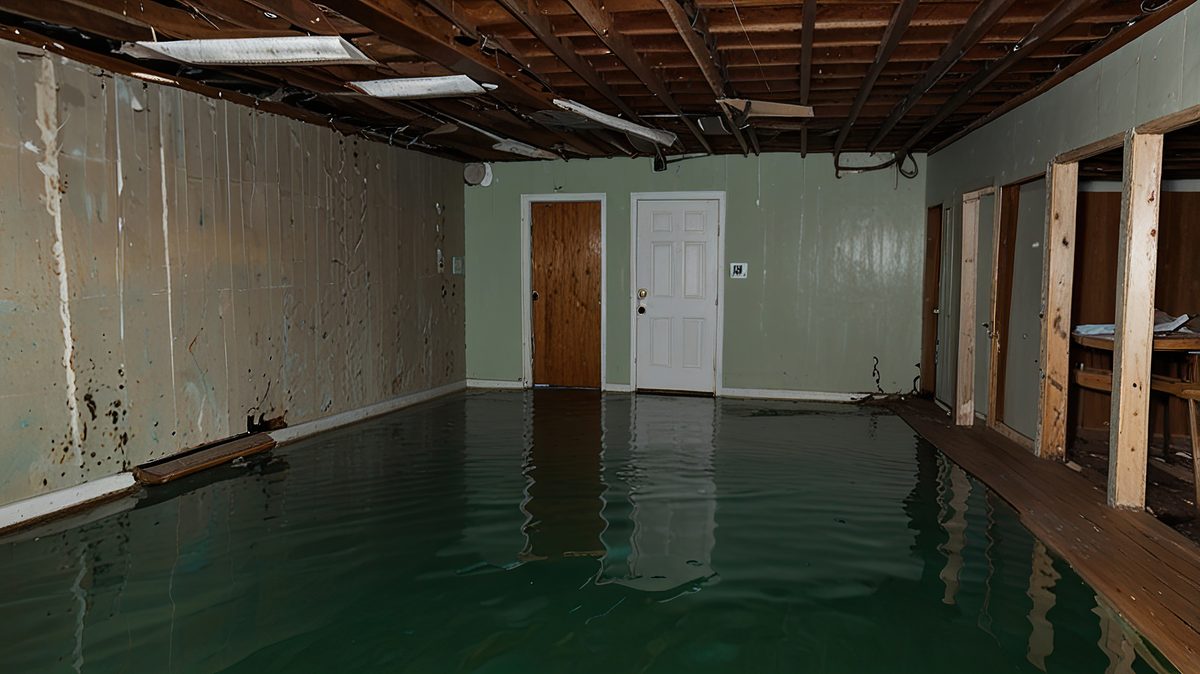
The earliest stage of any water damage job focuses on containment. Before drying can begin, standing water needs to be removed and the source of the leak identified and addressed, whether that means shutting off a water line or confirming a storm-related entry point has been sealed.
Skipping this step or rushing through it tends to lead to repeat problems later, since a source that isn't fully addressed can keep introducing new moisture even after the visible water is gone.
Our technicians use pumps and extraction equipment to remove standing water quickly, since every additional hour water sits on flooring or soaks into walls increases the amount of material that ends up needing repair rather than simple drying. This stage sets the tone for how much of a home's original materials can realistically be saved, which is why our crews prioritize speed the moment they arrive on site.
Structural Drying and Why It Takes Time
Once visible water is gone, moisture almost always remains trapped inside walls, subfloors, and other building materials. Structural drying addresses that hidden moisture using industrial air movers and dehumidifiers, often running continuously over several days depending on how much water was involved and how long it sat before treatment began.
This stage is where a lot of homeowners underestimate the process, expecting a home to be fully dry within a day or two. In reality, materials like subflooring and framing hold moisture longer than surface areas, and drying them too quickly or incompletely can lead to warping, lingering odors, or conditions that support mold growth later.
Our team monitors moisture levels throughout this stage to confirm materials are dry all the way through, not just on the surface. When materials have been damaged beyond drying, this is often the point where our reconstruction services in Orlando come into the conversation.
Here's a quick overview of the stages a residential job typically moves through, from the first call to the final repair.
| Stage | What Happens |
|---|---|
| Containment and extraction | Standing water is removed and the source of the leak is addressed. |
| Structural drying | Air movers and dehumidifiers dry hidden moisture over several days. |
| Cleaning and sanitizing | Affected materials are cleaned and treated to prevent mold or bacteria. |
| Repair and reconstruction | Damaged drywall, flooring, or framing is replaced or rebuilt. |
| Insurance coordination | Documentation is shared with the carrier throughout the process. |
Cleaning, Sanitizing, and Addressing Contamination
Depending on the source of the water, cleaning and sanitizing affected areas is often a necessary part of restoring a home. Water from a clean supply line requires less intervention than water from a sewage backup or storm flooding, which can introduce contaminants that need to be addressed before a space is safe to use again.
This stage also covers treating materials that were affected by moisture but didn't need to be removed entirely. Surfaces get cleaned and treated to prevent mold or bacteria from developing after the drying process is complete, which protects both the structure and the health of the people living in it.
Dealing with standing water or a leak right now? Give us a call at (407) 278-7715, and we'll walk you through what happens next.
Repairing and Rebuilding What Was Damaged
Once a property is fully dry and clean, the repair stage begins. This can range from replacing a section of drywall and repainting a room to larger projects involving flooring, cabinetry, or in more serious cases, structural framing. The scope depends entirely on how much material needed to be removed during the earlier stages.
Our team handles this repair and reconstruction work directly, rather than handing a homeowner off to a separate contractor once mitigation is finished. That continuity matters because the people who understood the original extent of the damage are the same ones completing the repairs, which reduces the chances of something being missed or repaired incorrectly.
Coordinating With Insurance Throughout the Process
For most homeowners, water damage restoration overlaps with an insurance claim, and the two processes work best when they move together rather than separately. We document the damage thoroughly as it's found, which gives homeowners and their insurance carrier a clear record of what happened and what work was required.
Our team works directly with major carriers, including State Farm, Allstate, Nationwide, Progressive, Heritage, Chubb, Farmers, Liberty, and Universal, to help move the claims process along. Handling this coordination directly means homeowners spend less time managing paperwork and more time focused on their household while the restoration work is underway.
What a Fully Restored Property Looks Like
The goal of every residential job is to return a property to its condition before the damage occurred, not just to make it look acceptable on the surface. That means addressing moisture that isn't visible, confirming materials are structurally sound, and completing repairs that match the rest of the home rather than standing out as a patch.
For homeowners across Orlando and the surrounding cities, that level of thoroughness is what separates a home that's truly restored from one that looks fine for a while before problems resurface. Our approach covers every stage of that process under one team, from the first call through the final repair, so nothing gets lost between separate contractors along the way.
What a complete residential restoration job typically includes:
- Standing water extraction and identification of the source
- Structural drying with industrial air movers and dehumidifiers
- Cleaning and sanitizing to prevent mold or bacteria
- Repair and reconstruction of damaged materials
- Direct coordination with the homeowner's insurance carrier
Frequently Asked Questions
How long does a typical residential water damage restoration take?
Timelines vary based on how much water was involved and how long it sat before treatment began. Structural drying alone often runs several days, and any repair or reconstruction work adds time depending on how much material needs to be replaced.
Will I need to move out of my home during restoration?
Many homeowners can stay in the home during smaller, contained jobs. For larger losses involving extensive structural drying or repair work, a technician can advise whether temporary relocation makes sense.
Does your team handle repairs, or just the drying and cleanup?
Our team handles the full process directly, including extraction, structural drying, cleaning, and repair or reconstruction, so a homeowner is not passed between separate contractors partway through the job.
How does insurance factor into the restoration process?
We document the damage thoroughly as it's found and work directly with major carriers, including State Farm, Allstate, Nationwide, Progressive, Heritage, Chubb, Farmers, Liberty, and Universal, to help move the claims process along.
Our IICRC-certified technicians are available 24 hours a day for a free in-home visual assessment, and we work directly with major carriers to make the claims process easier. Call (407) 278-7715 to get started.