


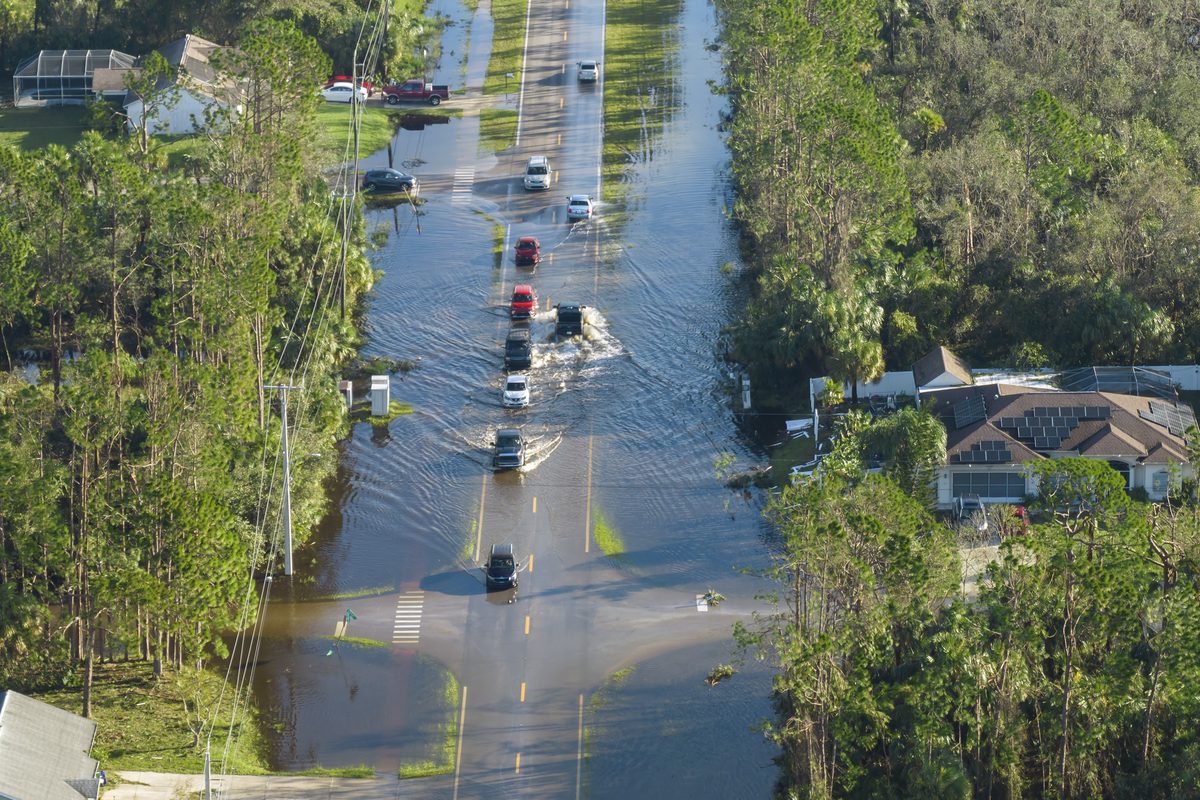
Summer in Central Florida means afternoon storms that build fast and drop heavy rain in a short window. The humidity barely lets up even after the sun goes down. For homeowners in Orlando, Winter Park, Altamonte Springs, Oviedo, Winter Springs, Winter Garden, and Ocoee, that combination creates conditions where water damage becomes far more likely than during cooler, drier months.
Our team sees a clear jump in service calls once summer weather sets in, and most of it traces back to a handful of predictable causes.
Knowing what to watch for during the warmer months can help homeowners catch small problems before they turn into major repairs. A reliable water damage restoration team can make a real difference, especially when damage moves faster than expected.
Below, we cover the specific ways summer weather in Orlando raises the risk of water damage and what tends to go wrong when these risks go unaddressed.
Afternoon Thunderstorms and Sudden Heavy Rain
Central Florida's summer storm pattern is different from a steady, all-day rain. Storms build quickly, drop a large amount of water in a short period, and then clear out just as fast. That intensity puts stress on roofing, gutters, and drainage systems that might handle a lighter, longer rain without any trouble.
Roofs with aging shingles, small gaps around flashing, or clogged gutters are especially vulnerable during these bursts. Water that would normally run off the roof and away from the home instead finds a weak point and works its way inside, often into an attic space or along an exterior wall where it isn't noticed right away.
By the time a stain appears on a ceiling, water has usually been getting in for longer than the size of the stain suggests. This kind of slow intrusion is a common reason homeowners need water damage restoration in Orlando long after a storm has passed.
Humidity and Its Effect on Moisture Buildup
Orlando's humidity doesn't just make the air feel heavier. It slows down natural drying for anything that gets wet, whether that's a roof leak, a spill, or condensation building up around air conditioning components.
In drier climates, small amounts of moisture often evaporate before they cause any real problem. In Central Florida, that same moisture can linger long enough to soak into drywall, insulation, or wood framing.
This is part of why summer water damage in Orlando tends to involve mold more often than damage that happens during cooler, drier months. Materials that stay damp for an extended stretch create the exact conditions mold needs to establish itself, and high ambient humidity gives mold spores an easier path to spreading once they take hold.
Air Conditioning Systems Under Heavy Summer Use
Air conditioning units run harder and longer during Orlando summers, and that added workload increases the chances of a mechanical issue. A clogged condensate line is one of the most common culprits, since it can cause water to back up and overflow into a drip pan or, in some cases, through a ceiling below an attic-mounted unit.
Because condensate leaks often start small and stay hidden inside a ceiling or closet, they can go unnoticed for a while, especially if a household is away or doesn't check attic spaces regularly. A yearly inspection of AC drainage components before peak summer use begins is one of the simplest ways to catch a developing leak before it turns into a bigger water damage situation.
Noticed your AC drip pan overflowing or a water stain near a ceiling vent this summer? Give us a call at (407) 278-7715, and we'll take a look before it turns into a bigger problem.
Storm Surge Around Windows, Doors, and Foundations
Heavy summer storms don't just test roofs. Wind-driven rain pushes water against windows, doors, and exterior walls with more force than a typical rain event, which exposes weak seals and aging weatherproofing that might hold up fine under normal conditions. Water that gets past these barriers can travel along window frames and door thresholds into interior walls.
Homes with older window seals or doors that haven't been re-caulked in a few years are more likely to experience this kind of intrusion. It's also common around ground-level entry points, where pooling water from a storm can find its way in if grading around the foundation doesn't direct water away from the home properly.
Taken together, these four summer conditions account for most of the water damage calls our team receives in Orlando.
| Summer Risk Factor | What to Watch For |
|---|---|
| Afternoon thunderstorms | Roof leaks, attic staining, and water entering through weak flashing |
| High humidity | Slow drying, lingering dampness, and faster mold growth |
| AC systems under heavy use | Overflowing drip pans and condensate line backups |
| Wind-driven rain and storm surge | Water intrusion around windows, doors, and foundations |
What Homeowners Can Do Before Summer Storms Hit
A few preventive steps make a real difference heading into storm season. Walking the exterior of a home to look for gaps around windows, doors, and siding is also worth doing before the heaviest part of summer arrives.
Even with preventive care, water sometimes finds a way in, especially during a season known for its intensity in Central Florida. Watching for warning signs gives homeowners a chance to catch a problem early rather than finding it after it has already spread.
Steps worth taking before summer storm season peaks:
- Clear gutters and downspouts so roof runoff has somewhere to go
- Check roof flashing for small gaps that let wind-driven rain inside
- Confirm AC condensate lines are draining properly, not backing up
- Inspect window and door seals for gaps or aging caulk
- Watch for a musty smell, soft flooring, or ceiling discoloration
Why a Fast Response Matters Once Summer Weather Causes Damage
Once water gets into a home during Orlando's summer months, the same humidity that slows natural drying also speeds up the timeline for mold growth and material damage. A leak that might take a week to cause visible problems during a cooler, drier season can show effects in a matter of days during peak summer humidity.
Our team handles water damage restoration for homes and businesses across Orlando and the surrounding cities, and our approach stays the same regardless of season: tracing the source, extracting standing water, and thoroughly drying affected materials.
Summer conditions simply make timing matter more than usual, since the gap between a manageable leak and a larger mold or structural issue tends to close faster in the heat and humidity Central Florida is known for.
Frequently Asked Questions
Does Orlando's humidity really make water damage worse?
Yes. High humidity slows natural drying, so materials that might dry out on their own in a less humid climate can stay damp for days or weeks in Central Florida, which raises the chances of mold and structural damage.
How can I tell if my AC unit is causing hidden water damage?
A clogged condensate line can cause water to back up into a drip pan or leak through a ceiling below an attic-mounted unit. Watch for water stains near vents, a musty smell, or a drip pan that needs emptying more often than usual.
Should I worry about water damage if my home isn't in a flood zone?
Homes outside a flood zone can still experience water intrusion during heavy summer storms, especially if wind-driven rain gets past aging window or door seals. Flood zone status affects insurance requirements more than it affects storm-related risk.
What's the fastest way to reduce summer water damage risk?
Clearing gutters and downspouts, checking roof flashing, and confirming AC condensate lines drain properly are the highest impact steps homeowners can take, since they address the most common causes our team sees during the summer months.
Our IICRC-certified technicians are available 24 hours a day for a free in-home visual assessment, and we work directly with major carriers to make the claims process easier. Call (407) 278-7715 to get started.