


A leak that seems minor rarely stays that way. In Orlando, where heat and humidity sit heavy in the air most of the year, water finds cracks and gaps faster than most homeowners expect. It keeps moving long after the original source has been fixed.
Our trusted water damage restoration team in Orlando, FL, gets calls from homeowners across Orlando, Winter Park, Altamonte Springs, Oviedo, Winter Springs, Winter Garden, and Ocoee who assumed a slow drip wasn’t worth worrying about, only to find months later that the damage had spread well past where they thought it was contained.
The sections below walk through the physical, structural, and health-related effects that tend to show up over time when water damage is left untreated, along with what our team does to stop that process early.
Why Untreated Water Damage Gets Worse Over Time
Water doesn’t stay in one place once it enters a home. Gravity pulls it downward through subfloors, along wall cavities, and into spaces that aren’t visible during a quick walk-through. In Orlando’s climate, high humidity slows natural drying, so materials that might dry out on their own in a drier region tend to stay damp for days or weeks.
That extended moisture is what turns a contained leak into a widespread problem. This is exactly the kind of situation where calling in water damage restoration in Orlando early keeps a small leak from becoming a much bigger job.
The type of water involved also affects how fast things escalate. Clean water from a supply line behaves differently than water from a storm event or a plumbing backup, and each carries its own timeline for when damage begins. Left alone, even clean water can pick up contaminants as it moves through building materials, changing what a restoration job requires by the time someone finally calls.
The general timeline below shows how untreated water damage tends to progress, though the exact pace depends on the amount of water and the materials involved.
| Time Since the Leak | What Typically Happens |
|---|---|
| 24 to 48 hours | Materials begin absorbing moisture, and drywall or wood starts to soften. |
| 3 to 7 days | Mold can begin forming, and unpleasant odors often start to appear. |
| 2 to 4 weeks | Wood framing and subfloors start to lose strength, and mold spreads further. |
| 1 month or more | Structural repairs become more likely, and air quality concerns increase. |
Structural Problems That Develop When Water Is Left Alone
Wood framing, subfloors, and drywall are not built to handle prolonged exposure to moisture. Over weeks or months, wood can begin to warp, swell, or soften, and drywall loses its structural integrity as the paper facing and gypsum core break down. Homeowners often notice this first as sagging ceilings, buckling floors, or baseboards pulling away from the wall.
Metal fasteners and fixtures also corrode under sustained moisture, weakening the connections that hold a structure together. In more severe cases, prolonged exposure compromises support beams or floor joists, turning what could have been a same-week repair into a project that involves cutting out and replacing structural material. This is one of the clearest reasons a slow leak deserves the same urgency as a burst pipe.
Mold Growth and Air Quality Concerns
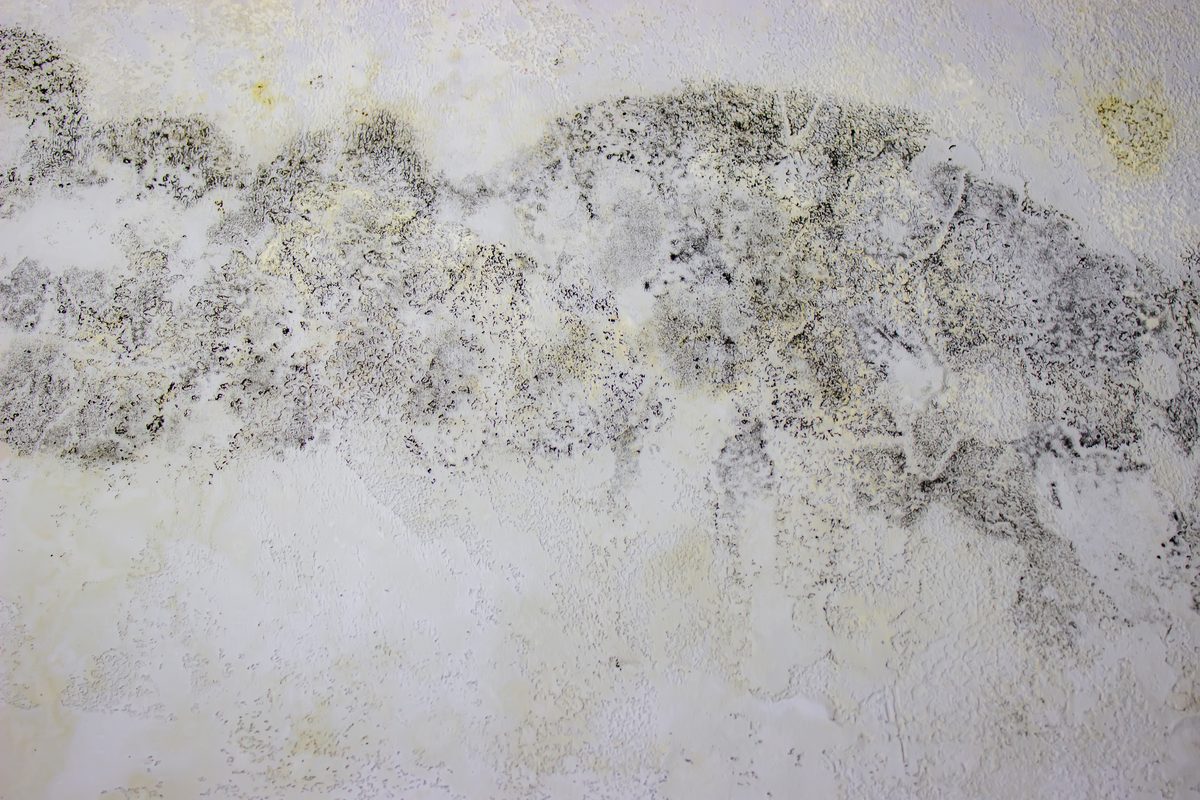
Mold spores are present in nearly every home, and they only need moisture and time to start growing into a visible colony. In Central Florida’s humidity, that window can be as short as one to two days once materials stay wet. Once mold takes hold behind a wall or under flooring, it can spread quietly for weeks before anyone notices a musty smell.
Beyond the damage mold causes to building materials, it also affects indoor air quality. As mold colonies grow, they release spores that circulate through a home’s HVAC system, reaching rooms far from the original leak. Addressing water damage quickly is one of the most effective ways to keep a mold problem from developing, since mold remediation is a far larger undertaking than structural drying alone.
Noticing a musty smell or a soft spot in your flooring that hasn’t gone away? Give us a call at (407) 278-7715, and we’ll take a look before it turns into a bigger problem.
Health Risks Tied to Long-Term Moisture Exposure
For most people, a damp home is more than an inconvenience. Prolonged exposure to mold and mildew has been linked to respiratory irritation, allergy flare-ups, and worsened symptoms for people with asthma or other sensitivities. Children, older adults, and anyone with a compromised immune system tend to feel these effects sooner.
Stagnant water also creates conditions where bacteria can grow, particularly if the source involved anything beyond clean water. A home that smells musty, feels humid despite the air conditioning running, or shows discoloration on walls or ceilings is often signaling a moisture problem that has been present for some time. These are not symptoms worth waiting out.
Signs a home may still have an untreated moisture problem:
- A musty smell that doesn’t go away, even with the air conditioning running
- Soft, warped, or buckling flooring in one area of the home
- Discoloration or staining on walls, baseboards, or ceilings
- A room that feels more humid than the rest of the house
- Baseboards pulling away from the wall or ceilings that sag
How We Approach Water Damage Restoration in Orlando
When our team arrives at a property, the first priority is finding where the water actually came from and how far it traveled, not just treating the visible signs. We use moisture meters and thermal imaging to check inside walls and under flooring, since guessing at the extent of a problem tends to lead to repeat issues later.
From there, our certified technicians handle extraction, structural drying, and, when needed, mold remediation, all under one roof. A slow leak that has been sitting for weeks might require drying, antimicrobial treatment, and repair work to damaged framing, and having one team manage all of it keeps the process moving instead of passing a homeowner between separate contractors.
Frequently Asked Questions
How long can water sit before it causes lasting damage?
It depends on the amount of water and the material it's sitting on, but many building materials start absorbing damage within 24 to 48 hours. Humid conditions can shorten that window further.
Can water damage cause health problems even if I don't see mold?
Yes. High humidity and dampness can affect air quality and trigger respiratory symptoms before visible mold ever appears. A persistently damp or musty room is worth checking even without obvious mold.
Is it possible for water damage to affect a home's foundation?
Extended exposure can weaken support structures, including framing and subflooring, though foundation-level damage typically involves larger amounts of water over a longer time.
Do I need to replace flooring after a long-term leak, or can it be dried and saved?
It depends on the material and how long it was exposed. Flooring caught early can often be dried and preserved, while flooring left wet for weeks usually needs replacement.
Reach Out Before Small Damage Becomes a Bigger Job
If you’re noticing a lingering smell, a soft spot in your flooring, or discoloration that hasn’t gone away, the damage behind it is very likely still active. Waiting rarely makes these situations easier or less expensive to resolve.
Our team is available 24 hours a day, every day of the year, and we offer a free in-home visual assessment to homeowners across Orlando, Winter Park, Altamonte Springs, Oviedo, Winter Springs, Winter Garden, and Ocoee.
Phone: (407) 278-7715
Address: 6959 Stapoint Court, Suite K, Winter Park, FL 32792
Availability: 24 hours a day, every day of the year
Service Area: Orlando, Winter Park, Altamonte Springs, Oviedo, Winter Springs, Winter Garden, Ocoee