


If you have had a pipe burst, a roof leak, or standing water somewhere in your home here in Jacksonville, one of the first questions on your mind is probably whether mold is coming next. The short answer is yes, water damage and mold are closely connected, and the timeline is shorter than most people expect.
We get calls about this almost every week, and we would rather answer the question honestly now than have you find out the hard way later. A little bit of knowledge here can help you decide how quickly to act and what to look for in the days after a leak or a flood, since how soon water damage restoration begins is usually what decides whether mold becomes part of the job at all.
How Quickly Mold Can Start After Water Damage
Mold does not wait for a convenient time to grow. Once moisture sits on wood, drywall, insulation, or carpet padding, mold spores that are already present in nearly every home can start multiplying within a day or two. Warm, humid conditions speed that process along even further, which is part of why timing matters so much once water damage happens.
This is why we treat every water call as time sensitive rather than something that can wait until next week. A homeowner might mop up the visible water and think the problem is solved, but moisture that has soaked into subflooring or behind baseboards can still be sitting there setting the stage for mold days after the original leak or flood. Even a few days of delay can be the difference between a job that only involves drying and one that also involves mold remediation.
Why Jacksonville’s Climate Makes Mold More Likely
Northeast Florida humidity is not doing anyone any favors when it comes to drying a home out naturally. Between the heat, the moisture in the air, and how often storms roll through Jacksonville and the surrounding area, homes here hold onto dampness longer than they would in a drier climate.
That means a leak that might dry out fine on its own somewhere else can linger here long enough to become a real mold concern. We see this pattern often enough in Fleming Island, Ponte Vedra Beach, and other nearby communities that we plan our response times around it rather than treating it as a rare exception. During the wetter months of the year, when outdoor humidity stays high around the clock, even a small leak behind an appliance can take days longer to dry than it would during a cooler, drier stretch of weather.
The Areas Where Mold Hides After a Water Event
Mold rarely shows up first in the middle of a room where everyone can see it. It tends to start in places that stay damp the longest, such as behind cabinets, under carpet, inside wall cavities, or in crawl spaces where air does not move much. Walls are the hardest of those to check, which is why it helps to know how to spot water damage behind walls before mold gets a head start.
A musty smell is often the first real clue, even before any visible growth appears. If a room smells different after a leak or a flood, even once it looks dry on the surface, that smell is worth paying attention to rather than dismissing. Homes with carpet padding or older subflooring tend to hide moisture especially well, since these materials can hold water for a surprisingly long time without showing obvious signs on top.
Signs That Water Damage Has Already Turned Into a Mold Problem
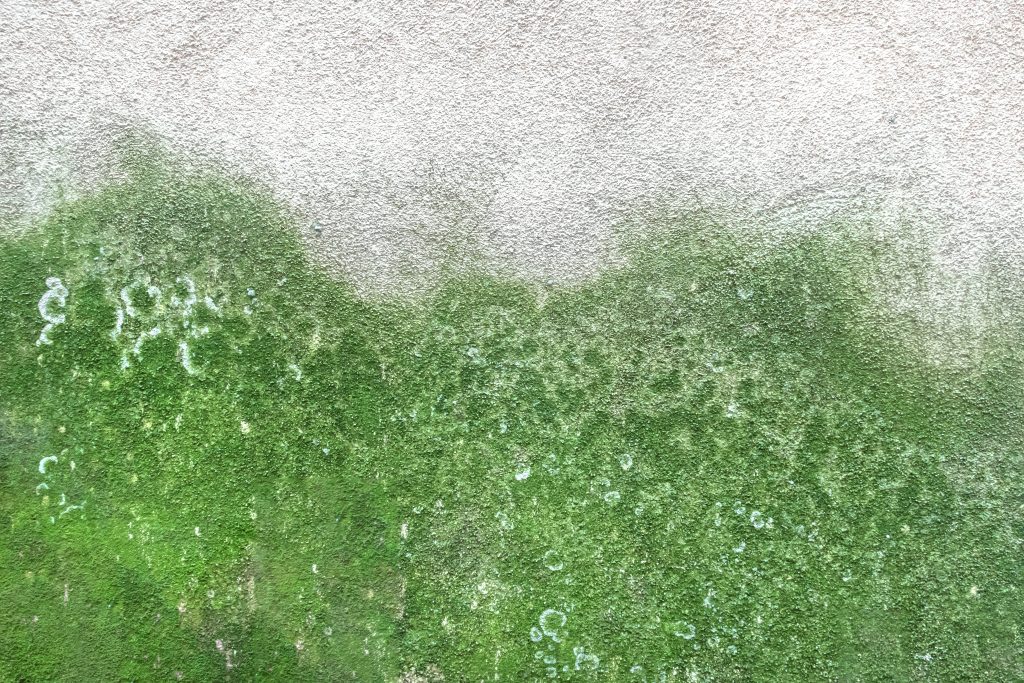
Discoloration on walls or ceilings, a persistent musty odor, and any kind of fuzzy or spotted texture on a damp surface are all signs that mold has moved in. Some people also notice allergy-like symptoms that get worse indoors, which can point to mold that has not been spotted visually yet.
If any of that sounds familiar, the smartest move is having someone inspect the area properly rather than guessing, and that is a call you can make right now. We use thermal imaging and moisture detection tools specifically because mold problems are often bigger underneath the surface than what is visible from the outside, and catching that early usually means a smaller, faster job than waiting until the damage becomes obvious.
What We Do When We Find Water Damage and Mold Together
When our team responds to a water damage call, we are already looking for signs that mold has started, not only addressing the water itself. That means checking moisture levels in surrounding materials, not just the spot that looks obviously wet, so nothing gets missed once the visible cleanup is finished.
If mold is already present, we handle both problems together rather than fixing the water damage and leaving mold remediation for later. Our technicians are IICRC and IRI certified, and we work directly with your insurance company so you are not stuck managing that part of the process on top of everything else. That means one team, one visit, and one point of contact for the entire job rather than juggling separate contractors for water and mold.
Frequently Asked Questions
Not always, but the risk goes up the longer water sits without being properly removed and dried.
In many cases, mold can begin developing within one to two days if moisture is not addressed.
You can try, but hidden moisture behind walls or under flooring is easy to miss without proper equipment, which is exactly what leads to mold later.
Coverage depends on your policy, but we bill insurance carriers directly and help walk you through what your claim covers.
Contact Us
If you are dealing with water damage anywhere in Jacksonville or the surrounding area, do not wait to see if mold shows up on its own. Our team is available 24 hours a day, every day of the year, and we offer a free assessment before any work begins. Call us at (904) 312-7990 and we will get a certified technician out to you.
Related Topics: