


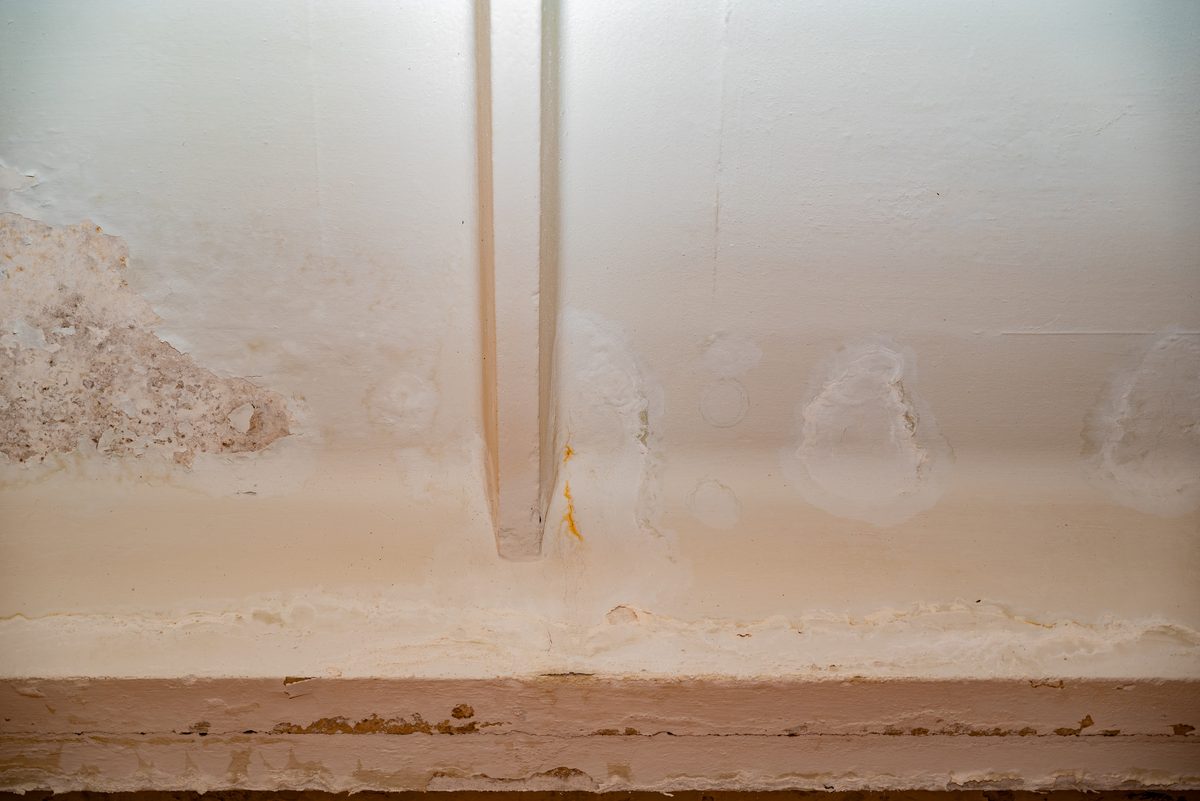
Water damage rarely picks a random spot in a home. It tends to show up in the same handful of areas, and knowing where to watch can help you catch a problem early instead of finding it after it has already spread.
Here in Jacksonville, our team sees certain patterns often enough that we can kind of guess where a leak started before we even walk in the door. Storm activity, aging plumbing, and Florida humidity all contribute to why bathrooms, kitchens, laundry rooms, roofs, and foundations cause the most trouble.
If you are already seeing signs, our reliable water damage restoration services in Jacksonville, FL, are here to help you get ahead of it.
Bathrooms and Plumbing Fixtures
Bathrooms deal with water constantly, which makes them one of the first places small problems turn into bigger ones. A slow leak under a sink, a worn toilet seal, or cracked grout around a shower can let water seep into places it should not be for weeks before anyone notices.
Because homeowners use bathrooms daily, they get used to a little moisture and do not think much of it. That is usually a mistake, since water finding its way behind tile or under flooring can lead to soft spots, warped flooring, or mold long before it becomes obvious.
Second-floor bathrooms carry extra risk, since a leak there can travel down into the ceiling and framing of the room below before anyone upstairs notices anything wrong. Catching a problem at this stage, often through leak detection and repair, is what separates a quick fix from a much larger repair.
Kitchens and Appliance Connections
Refrigerators with water lines, dishwashers, and under-sink plumbing are common sources of kitchen water damage. These connections are often tucked away and easy to forget about until a puddle shows up on the floor or cabinets start to swell near the base.
Kitchens also tend to have cabinetry and flooring that absorb water quietly. The moisture often sits for a while before discoloration or a musty smell becomes noticeable, which is part of why kitchen leaks can be more damaging than they first appear.
A supply line to a refrigerator or ice maker can develop a pinhole leak that drips slowly for months, soaking into subflooring long before a homeowner spots the issue.
Noticed a musty smell near your kitchen or bathroom that will not go away? Call (904) 312-7990 and we will find out where it is coming from.
Laundry Rooms and Utility Areas
Washing machine hoses are one of the more common causes of sudden, high-volume water damage we respond to. A supply line that bursts can release a large amount of water in a short time, and if no one is home when it happens, the damage can spread through an entire floor.
Utility areas also tend to have water heaters, which carry their own risk of slow leaks or a full tank failure. Because these rooms sit out of the way, a leak here can go unnoticed longer than one in a more frequently used part of the house. A few signs are worth checking for in this part of the home:
- A supply hose that feels damp or shows cracking
- A musty smell near the washer or water heater
- Flooring that feels soft or has started to warp near an appliance
- A noticeable, unexplained rise in the water bill
Older rubber supply hoses are especially prone to cracking over time, so a hose that has never been replaced is worth checking even if nothing seems wrong yet.
Roofs and Attics
Roof damage from storms, missing shingles, or aging materials is a major cause of water intrusion in Jacksonville homes, given how much storm activity this area sees throughout the year. Water that gets past the roof can travel along rafters and insulation before it ever shows up as a stain on a ceiling.
Attics get overlooked simply because most people do not go up there often. A slow leak can sit in insulation or wood framing for a long time, quietly weakening the structure, before it becomes visible from inside the living space below.
Flashing around chimneys, vents, and skylights is a common failure point that lets water in gradually rather than all at once, which makes it especially easy to miss until real damage has already been done.
Windows, Doors, and Foundations
Poorly sealed windows and doors let water in during heavy rain, and over time that moisture can damage surrounding drywall, trim, and flooring. This shows up especially after the kind of driving rain that comes with Northeast Florida storms.
Foundation areas can also take on water when grading around a home directs rainwater toward the structure instead of away from it. When that happens repeatedly, moisture can work into lower walls and flooring, creating problems that are easy to miss until they are already significant.
Clogged or improperly angled gutters make this worse, since they can dump water right along the foundation line instead of carrying it away from the home.
| Area | Common Cause | Warning Sign |
|---|---|---|
| Bathrooms | Worn seals, cracked grout, slow fixture leaks | Soft or warped flooring, discoloration near tile |
| Kitchens | Appliance water lines, under-sink plumbing | Swelling cabinets, a musty smell |
| Laundry rooms | Burst supply hoses, water heater failure | Damp hoses, rising water bill |
| Roofs and attics | Missing shingles, failed flashing | Ceiling stains, weakened framing |
| Windows, doors, foundations | Poor sealing, bad grading, clogged gutters | Damaged trim, moisture at the base of walls |
Frequently Asked Questions
How fast should I call after discovering water damage?
As soon as possible. Water can cause structural damage and create conditions for mold growth within the first day or two if it is not removed and dried properly, regardless of which area of the home is affected.
Can you help with water damage from a storm or hurricane?
Yes. The team handles water damage caused by storms in addition to leaks, burst pipes, and appliance failures, including the kind of roof and window intrusion common after Northeast Florida storms.
Do you offer structural drying services for areas like attics or crawl spaces?
Yes. Structural drying is used to dry out walls, floors, and other building materials affected by water intrusion, wherever in the home that intrusion occurred.
Water damage can spread quickly, and the sooner you address it, the less likely it is to become a bigger repair. We serve Jacksonville, Fleming Island, Ponte Vedra Beach, and surrounding areas, and we're available for storm damage, leaks, burst pipes, and appliance failures. If you are seeing any of the warning signs above, call (904) 312-7990 for a free assessment that helps you catch problems early.