


Licensed Fire and Smoke Damage Restoration in Lakeland, FL
United Water Restoration Group of Lakeland provides fire damage restoration in Lakeland, FL, from our office at 3928 Anchuca Drive. Our IICRC-certified crews respond 24/7 to secure the structure, dry out firefighting water, and remove soot and smoke odor. We then handle repairs and reconstruction under our Certified Building Contractor license.
- IICRC-certified technicians
- Certified Building Contractor CBC1261128
- We work with all insurance carriers
- Locally owned and operated
What a House Fire Leaves Behind
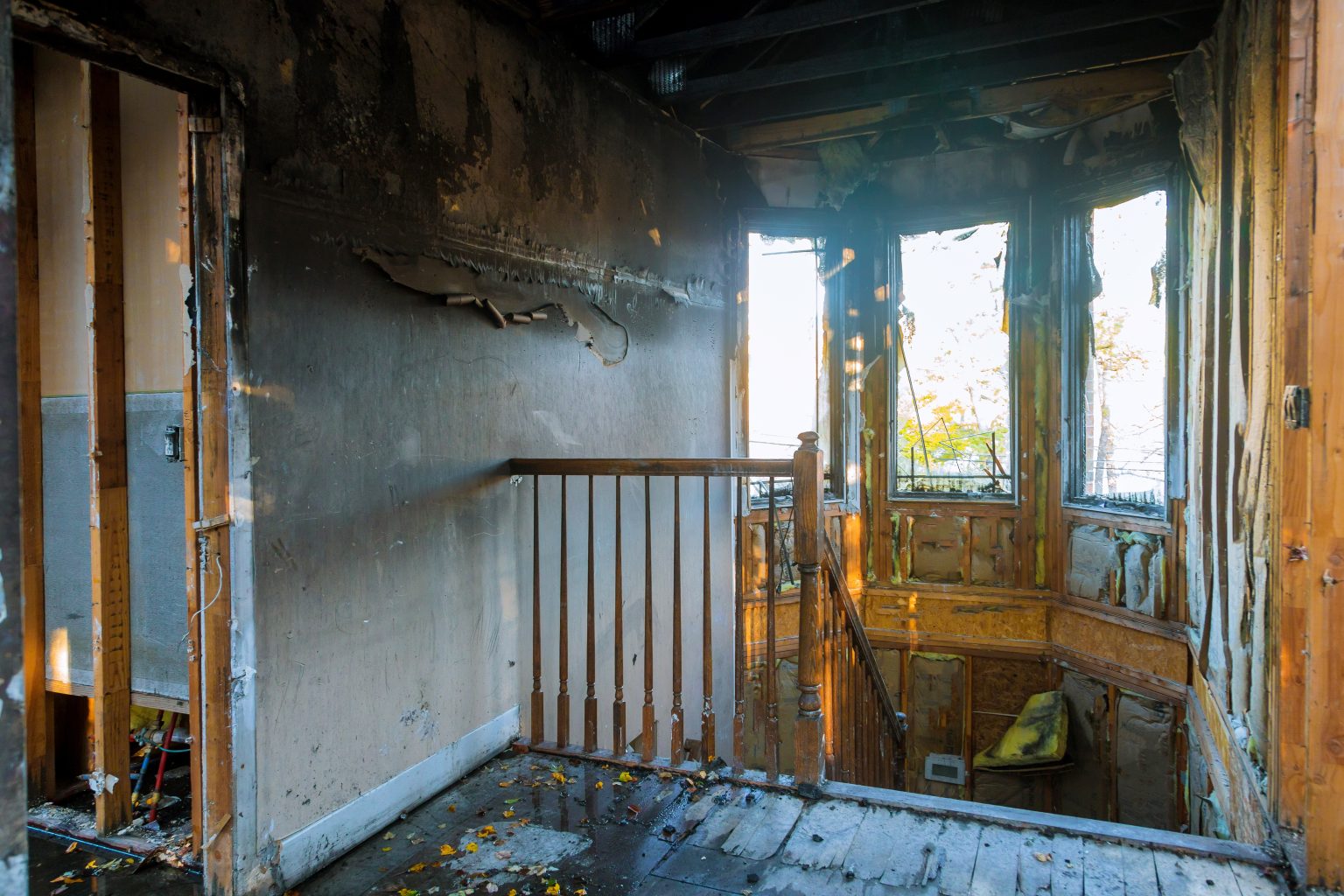
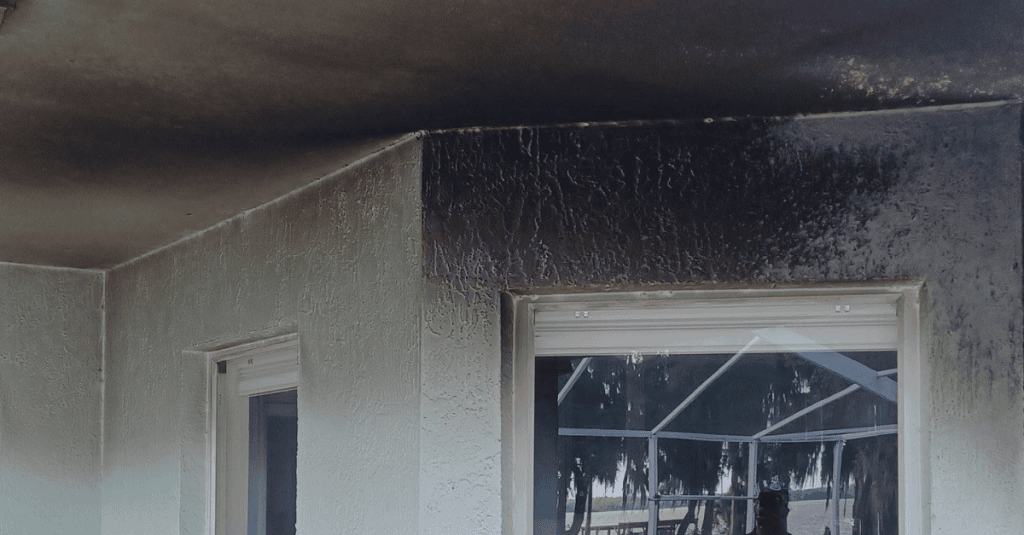
Flames cause the damage you can see. Smoke, soot, heat, and hose water cause much of what follows, and humid Central Florida air can make that damage worse.
Soot and Smoke Residue
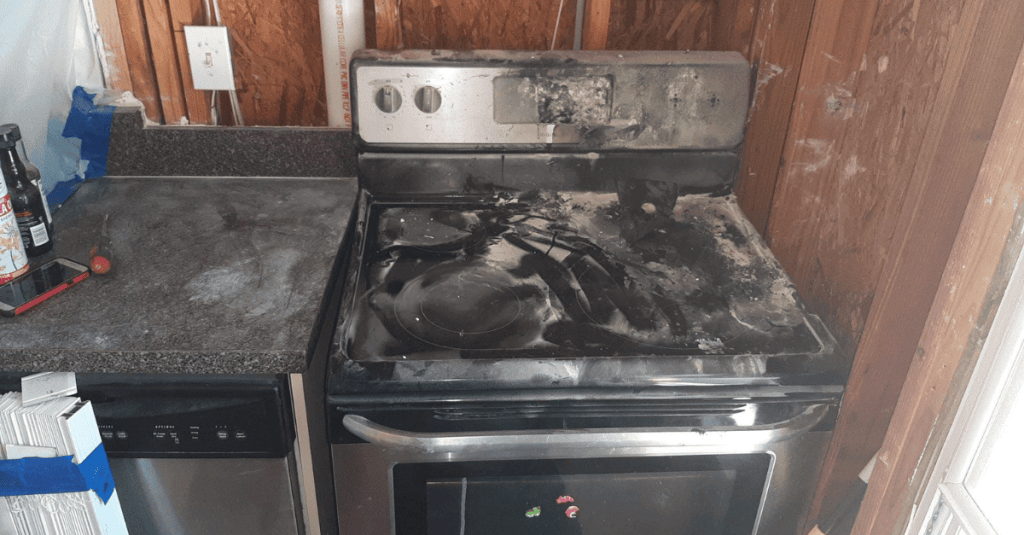
Soot is acidic. Left on grout, chrome, countertops, and painted trim, it can etch and stain the surface. The residue also changes with what burned. A fast, hot fire leaves dry, powdery soot. Smoldering plastics and synthetics leave a wet, sticky film with a heavy odor. Burned food leaves protein residue that is nearly invisible yet yellows paint and holds a sharp smell. Each type calls for a different cleaning method, so identifying the residue comes before cleaning.
Water From Firefighting
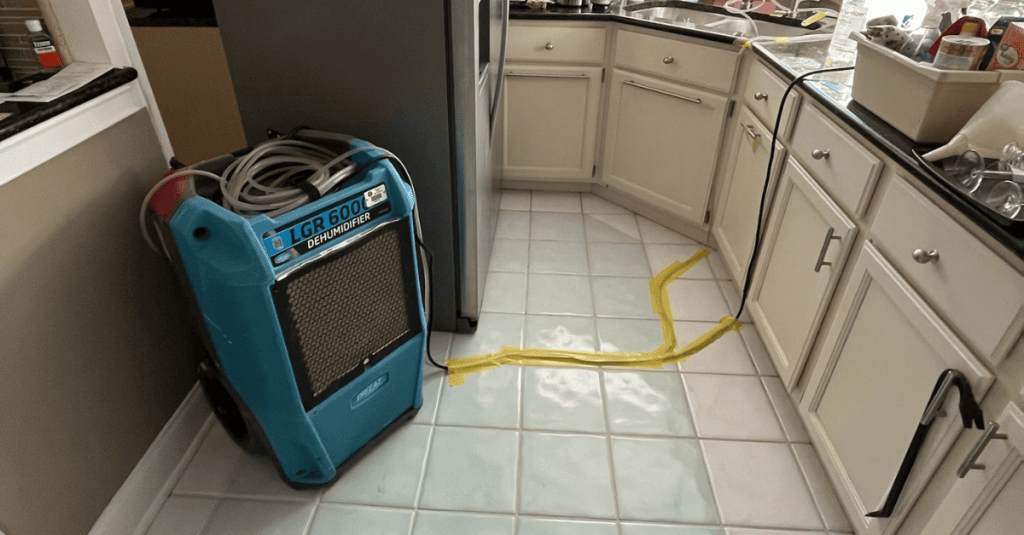
Fire hoses and sprinkler heads soak drywall, insulation, cabinets, and subfloor. In this humid climate, wet materials left closed up after a fire can grow mold, so drying should run alongside the soot work. Removing that water draws on the same work we do for local water damage restoration in Lakeland.
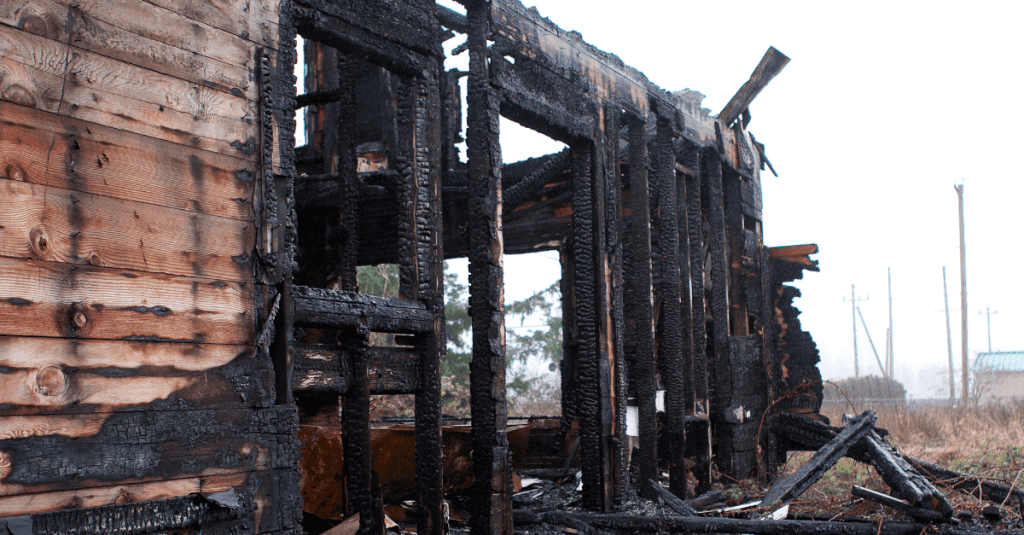
Heat and Structural Damage
Heat can weaken roof trusses, floor joists, and load-bearing walls even where the surface looks intact. It can also melt wiring insulation inside walls. Charred framing needs removal or reinforcement before any cosmetic repair.
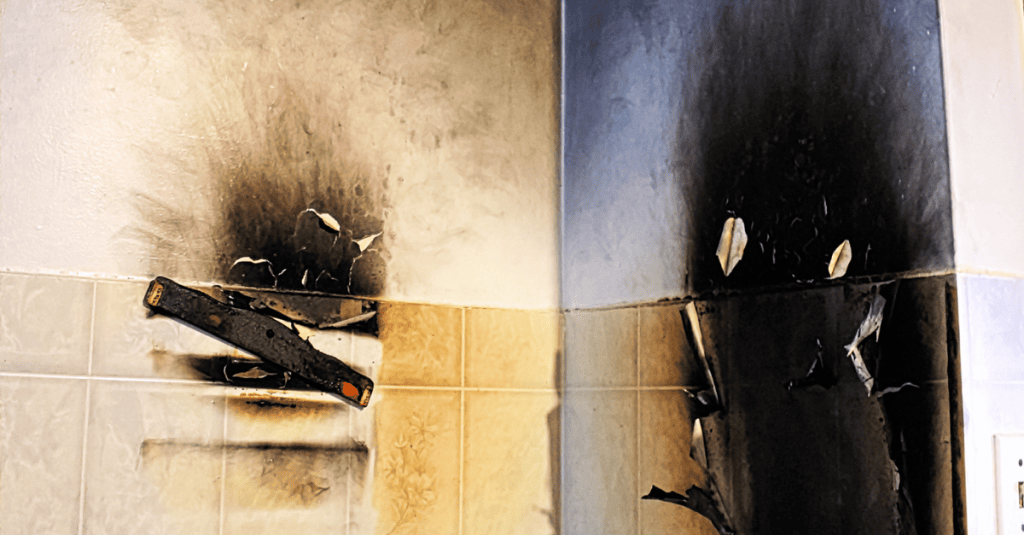
Smoke That Travels Beyond the Fire
Smoke follows air movement. It travels through ductwork, attic space, wall cavities, and gaps around outlets, then settles in closets, cabinets, and rooms the flames never reached. A thorough assessment checks those spaces, because untreated residue there can keep the smell lingering long after crews repair the burned room.
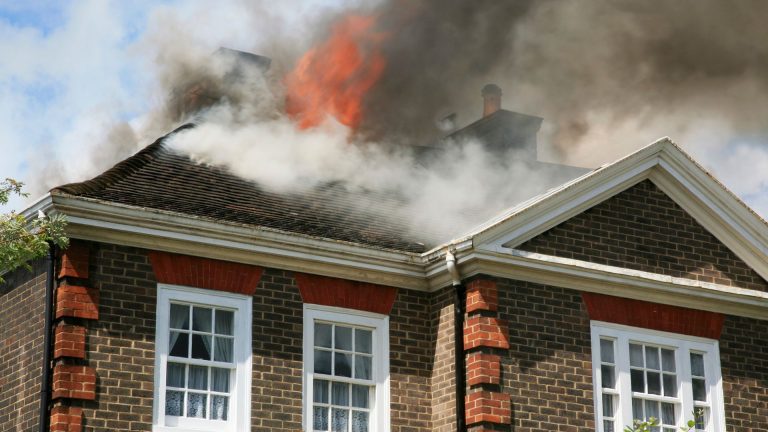
Lightning Fires in Lakeland
Summer storms add a local risk. Lakeland has seen home fires caused by lightning, including a mobile home destroyed after a strike and a 2021 house fire on Pineberry Street. When lightning ignites a roof or attic, trusses, decking, and insulation can take the worst of it, and the opening can let afternoon rain into the house.
Older Lakeland Homes and Historic District Repairs
The age and construction of a house affect the scope of a fire job.
Wood Frame Bungalows Near Lake Morton and Dixieland
City preservation records for the Dixieland and South Lake Morton historic districts describe wood frame houses from the 1920s and 1930s, including Craftsman bungalows and frame vernacular homes. Wood framing burns and absorbs smoke, so these older houses need careful inspection behind walls, under floors, and above ceilings before anyone writes the repair scope.
Certificate of Review for Exterior Repairs
The City of Lakeland requires a Certificate of Review before work that alters the exterior of a building in a local historic district, including Dixieland, South Lake Morton, East Lake Morton, Lake Hunter Terrace, and Beacon Hill. The Historic Preservation Planner approves minor projects, and larger ones go to the Design Review Committee. Demolishing a principal structure in a district requires major design review. If fire repairs will change how the house looks from the outside, that approval comes before crews replace siding, windows, or roofing.
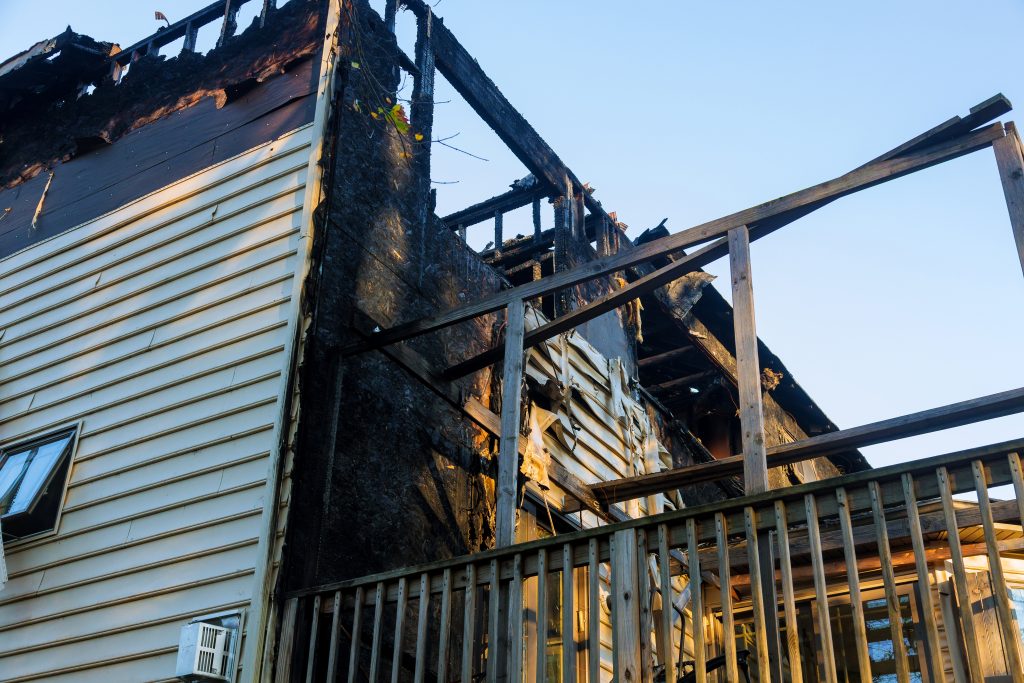
Fire Damage Restoration in Lakeland, FL: How a Job Runs
Our fire restoration follows six stages, scaled to the size of the loss.
1. Emergency Response and Damage Assessment
Once the fire department clears the scene, we inspect the damage, build a custom restoration plan, and start the insurance documentation. A complete assessment looks at where the fire burned, where smoke traveled, and where suppression water spread.
2. Board-Up and Roof Tarping
Broken windows, damaged doors, and holes in the roof leave a house open to rain, animals, and intruders. Through our emergency tarping and board-up service, crews board up openings, reinforce structural weak points, and tarp damaged roofs.
3. Water Extraction and Structural Drying
We extract standing water left by firefighting and use industrial dehumidifiers to dry the affected areas.
4. Soot Removal and Surface Cleaning
Technicians clean soot from walls, ceilings, cabinets, and fixtures using specialized cleaning techniques. Our soot removal service in Lakeland also uses air purification systems to remove airborne contaminants.
5. Smoke Odor Removal and Deodorization
We use air scrubbers, ozone treatment, and thermal fogging to break down smoke odor. Some porous materials are too damaged to clean and need removal, and ductwork that carried smoke can push odor back into clean rooms if nobody addresses it. Our smoke odor removal in Lakeland targets the smell that remains after surface cleaning.
6. Repairs and Reconstruction
We handle structural fire damage repair and reconstruction, whether the property needs minor fixes or a complete structural rebuild, to return it to its condition before the fire.
Inside city limits, structural repairs typically need a permit from the City of Lakeland Building Inspection Division, which handles applications and inspection scheduling through its online iMS system.
Call (863) 333-9865 day or night to schedule your fire damage assessment.
Fire Damage Services We Provide in Lakeland
Most fire losses need more than one service. We offer each of these on its own or as part of a full restoration.
| Service | What It Covers |
|---|---|
| Fire damage cleanup | Debris removal, soot cleanup, and sanitizing of affected rooms |
| Soot removal | Cleaning acidic residue from walls, ceilings, cabinets, and fixtures |
| Smoke odor removal | Air scrubbers, ozone, and thermal fogging to neutralize odor |
| Emergency tarping and board-up | Sealing roof openings, windows, and doors after the fire |
| Fire-damaged roof repair | Repair of roofs damaged by fire, heat, or firefighting |
| Structural fire damage repair | Repairs to framing, joists, and load-bearing walls weakened by heat |
| Water extraction and drying | Removal of firefighting water and dehumidification of the structure |
| Reconstruction | Rebuilding damaged areas under a Certified Building Contractor license |
Fire damage restoration is one of several services we provide in Lakeland, alongside water damage restoration, mold remediation, and storm damage restoration. Our commercial fire restoration team serves businesses.
Working With Your Insurance After a Fire
Most homeowner and commercial property policies cover fire, though limits and deductibles vary. A clear record of the loss helps the claim move forward.
We work with all insurance carriers. Our insurance claim assistance team documents the damage and works directly with your carrier, which helps the claim account for smoke and water damage in rooms the flames never reached.

- Report the loss promptly. Policies typically require notice as soon as practical.
- Keep every receipt. Many homeowner policies include additional living expense coverage for temporary housing and meals while the home stays unlivable.
- Hold on to damaged items. Where it is safe, keep ruined belongings until the adjuster sees them or approves disposal.
- Start a contents list. Note each damaged item, its age, and its cost, room by room.
- Read your policy. Coverage limits, deductibles, and exclusions shape the scope your insurer approves.
What to Do Right After a House Fire
The steps you take in the hours after a fire can limit how much harm the soot and water cause.
- Wait for clearance. Stay out until the fire department releases the property.
- Leave the soot alone. Wiping it can smear residue deeper into paint and fabric.
- Keep the HVAC off. Running the system can spread soot through the ductwork into other rooms.
- Hold off on power. Leave appliances, lights, and electronics off until an electrician checks the wiring.
- Throw out exposed food. Heat, smoke, and soot can contaminate food, including cans and boxed goods near the fire.
- Call your insurer and a restoration company. Early mitigation helps limit secondary damage and supports your claim.
Why Property Owners Choose Our Lakeland Team
Fire recovery involves cleanup, drying, repairs, and an insurance claim. Our team takes care of each stage, from damage assessment to full reconstruction.
- Locally owned and operated. Our office is on Anchuca Drive.
- IICRC-certified technicians. Our certified technicians answer calls 24/7.
- Licensed to rebuild. We hold a Certified Building Contractor license, CBC1261128, for our reconstruction services.
- Homes and businesses. We restore residential and commercial properties after fire, smoke, and soot damage.
Neighborhoods and Nearby Cities We Cover
Our crews respond across the city and the surrounding Polk County communities.
That includes Lakeland Highlands, Highland City, Eaglebrooke, Oakbridge, Hallam Preserve, Treymont, Hampton Hills, Cleveland Heights, and Scott Lake. Beyond the city, we serve Auburndale, Bartow, Winter Haven, Mulberry, Polk City, Eagle Lake, Haines City, Lake Wales, Davenport, and Fort Meade.
The Lakeland Fire Department handles fires inside city limits, and Polk County Fire Rescue covers unincorporated areas such as North Lakeland.
Fire Damage Restoration FAQs
Answers to common questions in the days after a fire.
Do I need a permit to repair fire damage in Lakeland?
Structural repairs usually do. The city’s Building Inspection Division accepts applications online only, not on paper. In some cases, minor repairs made with matching materials need no permit. Properties outside city limits follow their own jurisdiction’s rules. For questions about a specific project, call the Building Inspection Division at (863) 834-6012.
My house is in a Lakeland historic district. What changes?
Interior cleanup, drying, and repairs do not need historic review unless the work affects the exterior. Exterior repairs that change the building’s appearance need a Certificate of Review before work starts. The city charges no Certificate of Review application fee for projects under $10,000 and a $170 fee for projects of $10,000 or more and all demolitions.
Is it safe to go back inside after a fire?
Not until the fire department releases the property. Even then, heat can weaken floor framing, roof trusses, and ceilings where damage looks minor, and soot particles can irritate the lungs. If you need medications or documents, keep the trip short.
Can smoke odor be fully removed?
In most cases, yes. Lasting results depend on treating the source, including the porous materials and ductwork that hold odor, not just the air. That is why deodorization follows cleaning and material removal.
Can I stay in my home during fire restoration?
It depends on the damage. Smoke odor, soot in the HVAC system, disconnected utilities, and active demolition can make a home unlivable for a while. A small, contained fire sometimes lets you stay in unaffected rooms. Your insurer can confirm whether temporary housing costs fall under your coverage.
What is the difference between fire damage cleanup and restoration?
Cleanup removes debris, soot, odor, and water so the property is safe and stable. Restoration covers that work plus the repairs and reconstruction that return the structure to its condition before the fire. We offer both, from emergency board-up through reconstruction.
How long does fire restoration take?
Soot and odor cleanup after a contained fire often takes a few days. Jobs that need structural repairs, permits, and inspections can run several weeks, and historic district review may add time to exterior work. After our assessment, we give you a recovery plan and an estimated timeline.
Get Fire Damage Help in Lakeland Today
Start your recovery now. Call (863) 333-9865 any hour or request a quote online. Our crew will assess the damage, secure the property, and guide you through the claim and the rebuild.
Contact United Water Restoration Group of Lakeland
- Address: 3928 Anchuca Dr. #6, Lakeland, FL 33811
- Phone: (863) 333-9865
- Hours: Open 24/7 for emergency service
- Online: Send us a message through our contact form