


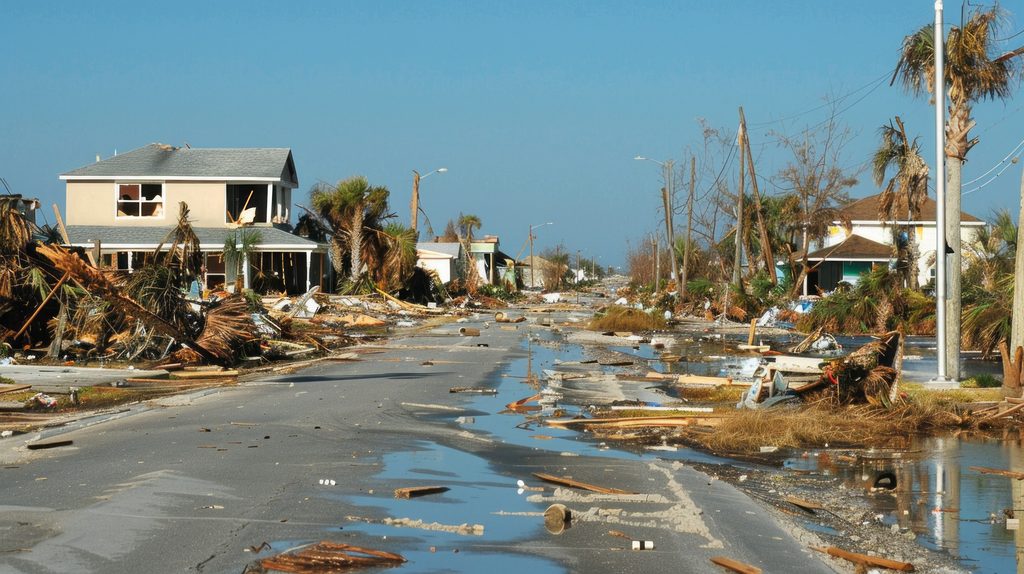
When a tropical storm moves through Polk County, hours of rain and wind can turn an ordinary afternoon into a scramble to protect a home. Many homeowners brace for a fallen tree or missing shingles. Water, though, finds its way inside in more ways than people expect, and some of it stays out of sight for days.
Tropical storms can reach Central Florida at any point in the Atlantic hurricane season, which runs from June 1 through November 30. Outer rain bands can soak areas well away from a storm’s center. Knowing where that water tends to get in gives a homeowner a better chance of catching a problem early, before it spreads into flooring or a wall cavity. Calling in the best water damage restoration in Lakeland, FL at the first sign of moisture keeps a small leak from turning into a much larger repair.
Why Tropical Storms Bring More Than Just Wind
Tropical storms carry heavy, sustained rainfall that can last for hours or even days depending on how the system moves across the state.
That rainfall puts pressure on every part of a home meant to keep water out, from shingles and flashing to window seals and door thresholds. A roof that has handled ordinary Florida rain without trouble can still let water through once wind pushes rain sideways against it for an extended stretch.
Lakeland sits inland, so residents sometimes assume they are safer from storm related flooding than homes closer to the coast. Wind speed and total rainfall matter more than distance from the ocean in these situations.
A slow moving system that stalls over Polk County can drop several inches of rain in a short window, and that water has to go somewhere once the ground and drainage systems reach their limit. Storm damage restoration crews here stay busy through the season for exactly that reason, and calling one early gives your home the best chance of drying out before the damage spreads.
Wind Driven Rain and Weak Points Around the Home
Rain behaves differently when a storm drives it sideways into a house instead of letting it fall straight down. Wind forces it into spots that stay dry in normal weather, such as:
- The gap around a window frame
- The line where siding meets the foundation
A wet patch can then appear on an interior wall with no roof leak above it, and staining along the base of a wall is one of the foundation water damage signs worth having checked right away.
Older homes, and homes with additions built years apart, sometimes have small gaps where two sections of the structure meet. Those seams cause little trouble in calm weather, so they can go unnoticed for years.
Under hours of steady wind pressure, water can work through a gap that size and travel along a stud before it surfaces in a different room.
Storm Runoff, Drainage, and Flooding Around Lakeland Properties
Polk County’s lakes, sandy soils, and flat, low lying pockets all affect drainage after a storm. In some flatter areas, the water table can sit within about a foot of the surface for part of the year, leaving little room for rain to soak in.
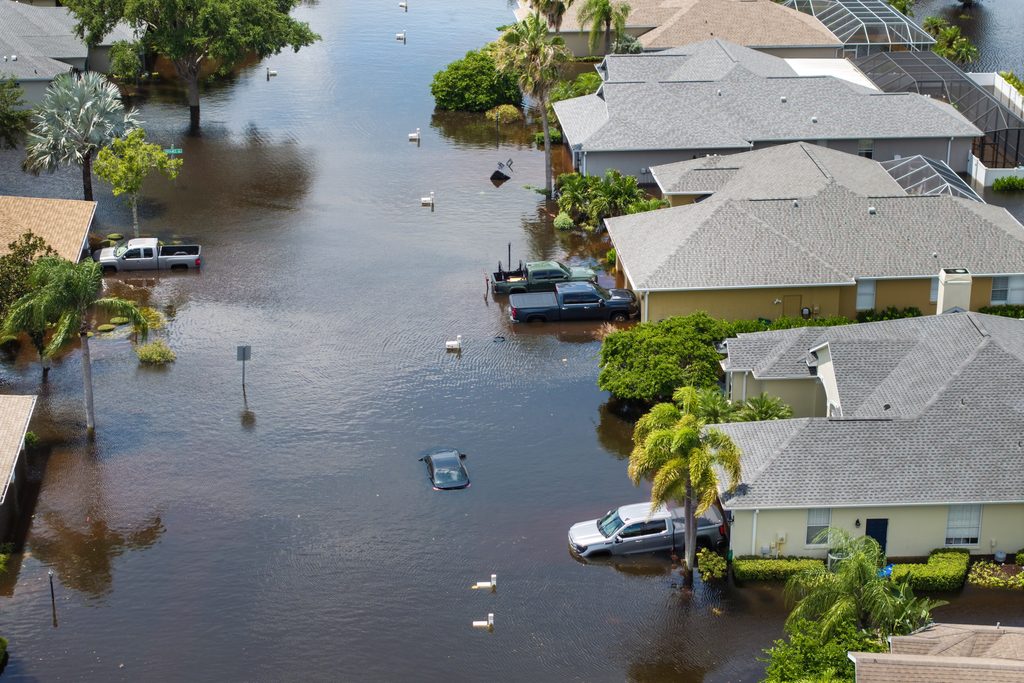
When rainfall outpaces the ground and storm drains, water pools in yards and driveways, sometimes right against the base of a house. Lots that sit lower than the street or a neighboring yard tend to collect more of it, which is where the flash floods risk for homeowners in this county really shows up.
Once water reaches an exterior wall or garage entry, it can seep in through a gap under a door or a crack in the slab. A worn door sweep or a garage floor that slopes toward the house makes it even easier. This water often shows up along the edge of a garage or ground floor room, even when nothing above the waterline looks damaged.
Runoff also changes the cleanup, because the IICRC S500 standard that restoration crews follow treats surface water and rising water entering a building as grossly contaminated:
- Runoff water can carry silt, pesticides, and bacteria from the ground.
- Wind driven rain usually starts out as clean water, though it can pick up contaminants on its way through a roof or wall.
A technician confirms the category on site, and that call often decides whether wet drywall, insulation, and carpet can be dried in place or need to come out.
Hidden Moisture and the Mold Risk That Follows a Storm
Much of the damage a storm leaves behind is not visible right away. Moisture can travel behind baseboards, under flooring, or inside a wall cavity, leaving the surface looking dry while the material underneath stays wet for days.
In Florida’s heat and humidity, that hidden moisture creates ideal conditions for mold. Mold can start growing when an area stays damp for a day or two, so a fast response matters.
Many homes in this part of Polk County sit on concrete slabs, which hold moisture in the flooring longer than raised construction and often extend drying time. Waiting a week to look into a stale odor or softened drywall can turn a small drying job into a much larger project.
Found water pooling against the house or seeping under a garage door after a Polk County storm? Give us a call at (863) 333-9865, and we will confirm what kind of water it is before it soaks into your drywall and flooring.
What to Do Right After Storm Related Water Damage
Once the storm passes and it is safe to walk the property, the next few hours shape how the rest of the recovery goes. These steps also give an insurance adjuster a clearer record of what happened:
- Cut power to wet areas. Switch off the breakers for affected rooms if the panel is dry and safe to reach, and stay out of standing water near outlets or appliances.
- Check above and below. Walk the outside of the house for pooled water while staying clear of downed power lines, then look at ceilings, the attic, and the base of each wall for damp spots or fresh stains.
- Photograph before moving anything. Take wide shots and close ups of standing water, stains, damaged belongings, and the spot where the storm got in, since the entry point often matters to an adjuster.
- Treat runoff as contaminated. Wear gloves and boots around water that came in from outside, and lift light belongings off wet floors rather than pushing the water through the rest of the house.
Hold off on running the air conditioning if water reaches the air handler or ductwork, and have the system checked before turning it back on. Standing water and trapped moisture do not resolve on their own. The sooner drying equipment is running, the less material has to be torn out.
How Our Team Responds When Storms Hit Polk County
Storm season does not run on a convenient schedule, so a real person answers our phone day or night and crews dispatch from our Anchuca Drive office.
Using thermal imaging and moisture meters, our IICRC and IRI certified technicians map where water traveled behind walls and under floors. Any opening the storm tore in a roof or window gets tarped or boarded up before drying begins. United Water Restoration Group of Lakeland works with every insurance carrier and bills many of them directly.
Adjusters receive photos, daily drying logs, and a written scope of work, so families are not left interpreting a claim on their own during a stressful week. After the structure is dry, our reconstruction crews handle the drywall, flooring, and paint, which keeps the whole recovery with one team.
Frequently Asked Questions
Does homeowners insurance cover water damage from a tropical storm?
It depends on the policy and on how the water entered. Rain that pours through an opening the storm created, such as a damaged roof, is generally handled under a homeowners policy. Rising water or runoff that comes in at ground level is usually treated as flood damage, which requires a separate flood policy. An insurance agent can confirm what applies to a specific home.
How fast can mold develop after a storm floods part of a home?
Mold can begin growing within 24 to 48 hours if materials stay damp, and Florida’s humidity gives it an advantage. It tends to spread fastest inside wall cavities where airflow is poor. Because the window is so short, standing water and soaked drywall should be handled the same day whenever possible, before growth settles in behind the surface.
Is it safe to stay in a home after storm related water damage?
Often, yes, when the water is limited to a room or two and comes from rain rather than runoff. Most families stay in the house while drying equipment runs. Floodwater across the living areas, electrical hazards, or structural damage may mean staying elsewhere until those areas are cleaned and made safe. Our crew will say so on day one.
What should I photograph before cleanup starts?
Photograph standing water, water lines on walls, ceiling stains, and damaged belongings. Include the place where the storm got in, such as a lifted section of roof or a gap under a door. Take wide shots of each room along with close ups of the damage. Check with the insurance carrier before throwing anything out, since adjusters sometimes want to see damaged items in person.
Get Help From Our Team in Lakeland Today
If a tropical storm has brought water into your Lakeland or Polk County home, our team is available around the clock to help you sort out what comes next. United Water Restoration Group of Lakeland offers a free in home visual assessment and works directly with your insurance carrier. You can reach us at (863) 333-9865, any hour of the day, any day of the year.