


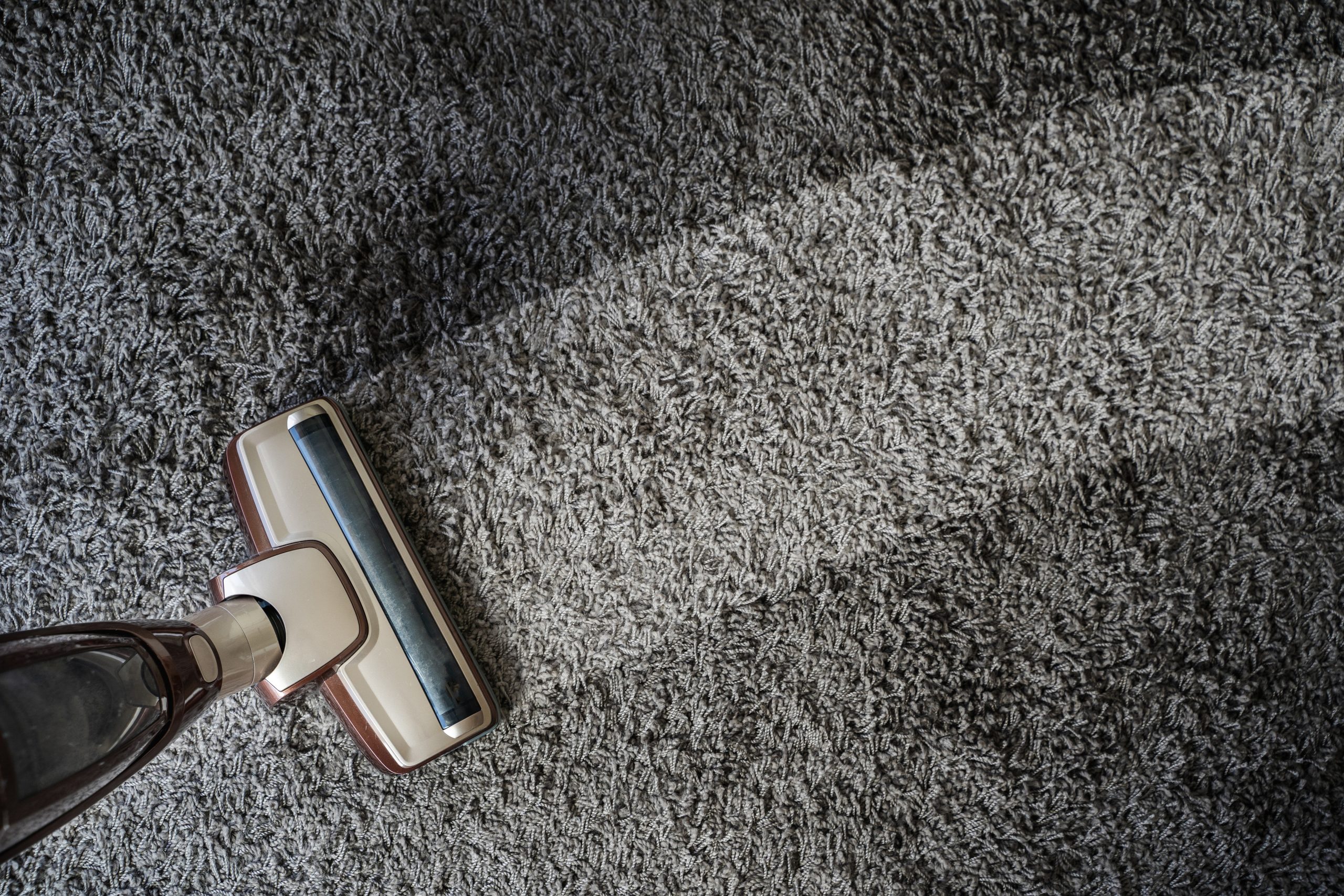
A soggy carpet rarely feels like a crisis. It looks like a chore you can push off until tomorrow, maybe after running a fan over it for a day or two. Plenty of homeowners in Lakeland think this way, and that’s understandable, but carpet happens to be one of the fastest materials in a home to shift from salvageable to a total loss once it soaks up water.
Choosing top water damage restoration services right away, rather than waiting even one extra day, can change the entire outcome of a water damage situation.
What Actually Happens Inside a Wet Carpet
Carpet is made up of several layers, and the padding underneath is usually the first thing to suffer real damage. That padding acts like a sponge, holding onto moisture long after the surface of the carpet feels dry to the touch. This is part of why so many people underestimate how wet their flooring really is. They press a hand on the carpet, feel mostly dry fibers, and assume the problem has resolved itself, when in reality the padding underneath is still saturated.
Once that padding stays wet for an extended period, it starts to break down and lose its shape. It can also begin holding onto odor that does not go away with normal cleaning. In a home with hardwood or tile hiding underneath the carpet, prolonged moisture can affect the subfloor as well, which turns a carpet problem into a much larger flooring problem.
How Quickly Mold Can Begin Growing in Wet Carpet
Florida’s warm, humid climate is not kind to wet materials sitting indoors. Mold spores are naturally present in the air, and all they need to start growing is moisture and time. In conditions like the ones we see regularly in Lakeland, mold can begin developing in as little as 24 to 48 hours in carpet and padding that has not been properly dried.
Once mold takes hold in carpet padding, it is extremely difficult to remove without full replacement. Unlike a hard surface that can be wiped down and treated, padding and the carpet fibers themselves tend to hold onto mold in a way that makes salvaging the material unrealistic.
This is one of the clearest examples of how a delay of just a day or two can turn a manageable drying job into a full carpet and padding replacement.
Why Waiting Costs More Than Acting Right Away
Waiting to see how bad the damage gets before calling for help feels like a smart way to save money, especially when things don’t look too serious yet. In practice, that delay almost always ends up costing more, not less. Calling a water damage restoration companies team on day one instead of waiting until day three can mean the difference between drying out a carpet and having to tear it out entirely, along with the padding underneath and any baseboards that soaked up moisture from the floor.
There’s also the matter of damage that spreads beyond what you can see at first glance. Moisture hiding under a carpet rarely stays put. Given enough time, it works its way toward walls, furniture legs, and other nearby materials.
A single wet carpet in one room can turn into a much bigger drying job once that moisture has had the chance to travel, and that’s usually exactly what happens when a call for help gets put off too long.
What Our Team Does When We Respond to a Wet Carpet Call
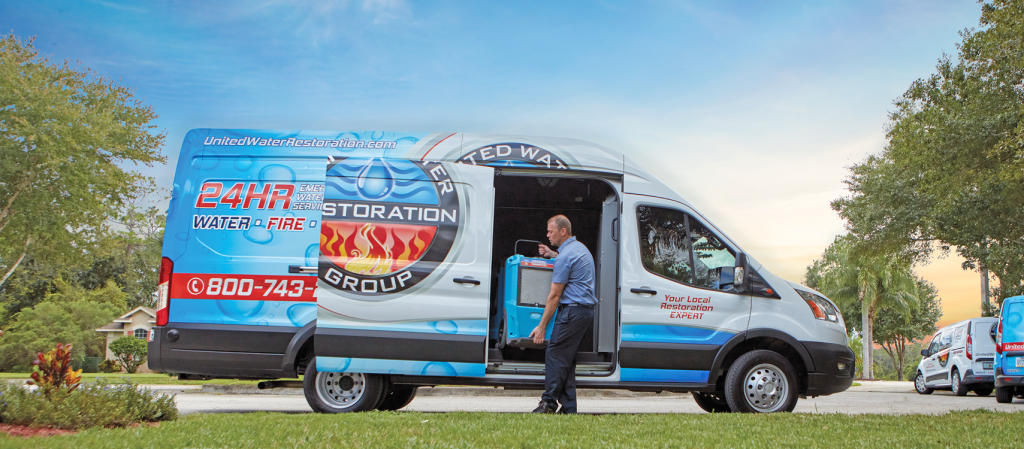
When we arrive at a Lakeland home with wet carpet, the first thing we do is figure out how far the moisture has actually traveled. We use moisture meters to check the padding, the subfloor, and the surrounding walls, since carpet damage is rarely limited to exactly what is visible. This step tells us whether we are looking at a straightforward drying job or something that has already started affecting other materials in the room.
From there, we set up extraction equipment to pull as much standing moisture out as possible before bringing in air movers and dehumidifiers to finish the drying process. Depending on how long the carpet has been wet and what type of water caused the damage, we assess whether the carpet and padding can realistically be dried and saved or whether removal is the safer option. We walk homeowners through that decision rather than making assumptions on their behalf.
Signs a Lakeland Homeowner Should Watch For
A few warning signs tend to show up before wet carpet becomes an obvious problem. A slightly musty or earthy smell in a room is often one of the first indicators, even before any visible staining appears. Carpet that feels spongy or makes a squishing sound when you walk across it is another clear sign that moisture has soaked well below the surface.
Discoloration along baseboards or a slight buckling in the carpet itself are also worth paying attention to, since both can point to moisture that has been sitting for longer than expected. If you notice any of these signs after a leak, a spill, or a storm, it is worth having the area checked rather than waiting to see if it resolves on its own, especially given how quickly conditions in Florida homes can turn favorable for mold growth.
Why Fast Response Matters More in Florida Than Other Climates
Humidity plays a bigger role in carpet drying than most people expect. In a drier climate, a wet carpet has a better chance of drying out on its own with some air circulation and time. In Lakeland’s climate, ambient humidity works against that process, which means carpets and padding stay wet longer than they would somewhere with lower humidity levels.
This is part of why we treat wet carpet calls with real urgency rather than treating them as a lower priority compared to other types of water damage. The same amount of moisture that might dry out safely in a different climate can turn into a mold problem here within a couple of days. Understanding that difference is a big part of why fast professional drying tends to produce a better outcome than a wait and see approach.
Related Topics: