


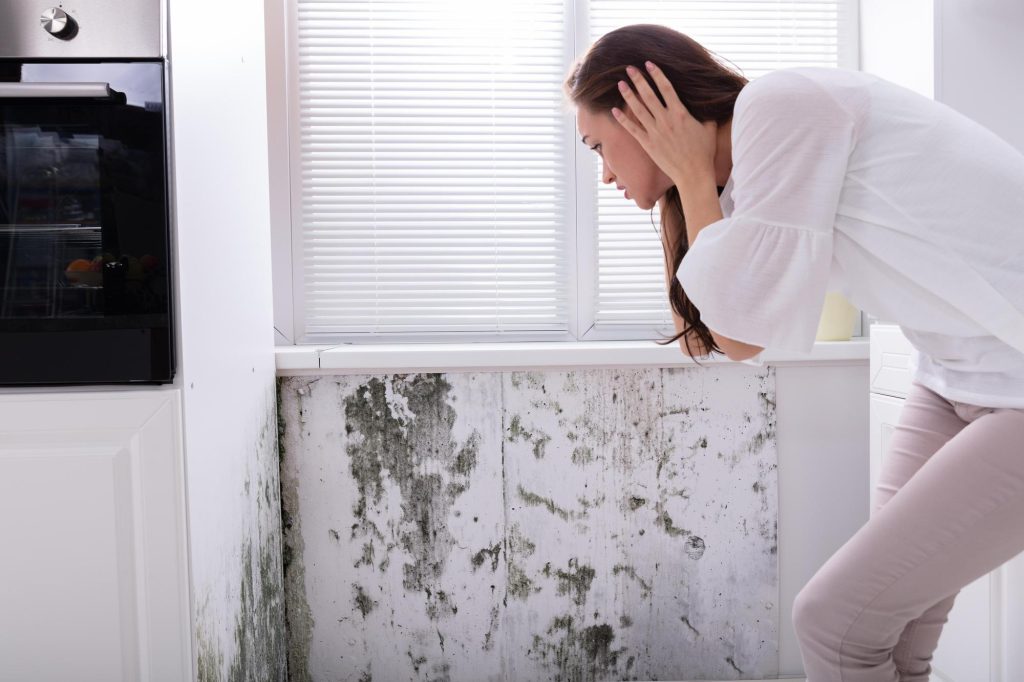
Mold prevention matters because growth can actually begin within 24 to 48 hours of water damage, which is honestly faster than most people expect. Once it starts, the job changes from drying a house to removing part of it.
Prevention just means pulling the water out and drying the structure inside that window, nothing fancier than that. Our Orlando water damage restoration team at United Water Restoration Group of Orlando works around the clock from Winter Park.
IICRC and IRI-certified technicians set the drying plan from readings taken inside the materials, not guesswork. Every job opens with a free in-home visual assessment, so you see the numbers before any decision gets made.
The clock on a wet wall starts the moment the water arrives, not when you happen to notice it. That’s really the whole point of working with a certified water damage repair service in Orlando, FL: someone shows up before the clock runs out.
How Fast Does Mold Grow After Water Damage in Orlando?
The 24- to 48-hour figure marks the window where growth becomes likely. It’s not some hard deadline you’d miss by an hour. What pushes a property toward the early end is temperature, humidity, and the material holding the water. A wet paper-faced drywall cavity in an Orlando summer sits right at the fast end, because warmth, moisture, and food are all present at once.
Central Florida kind of removes the option of just waiting for things to dry on their own. Ambient humidity here stays high through most of the year, which doesn’t help.
A wet building material has nowhere to release moisture to, so a wall that would air dry elsewhere just stays wet instead. That’s why getting a professional water damage inspection done within hours, not days, does most of the work.
What Actually Prevents Mold, and What Only Looks Like It Does
Prevention really comes down to three things happening fast. The water source gets stopped, and the standing water gets extracted. The structure then gets dried to a measured moisture content, not just dried to the touch. Everything else is kind of secondary, and a few of the steps homeowners reach for first do basically nothing.
Bleach is probably the clearest example of this. It can strip the visible color from a colony on a hard surface, which looks like a result. It doesn’t actually resolve growth inside a porous material, though, which is where the colony actually lives.
Household fans pointed at a damp carpet move surface air around and leave the pad soaked underneath. A dehumidifier lowers humidity in the room while the wall cavity just four feet away keeps all its water.
Water came in within the last day? Our Orlando crews answer at any hour, and getting a mold remediation technician on site inside that first window is honestly the single thing that changes the outcome the most.
How Do You Know If the Drying Actually Worked?
Dry to the touch and dry all the way through are actually two different conditions. Only one of them prevents mold. Our technicians set a dry standard from unaffected material elsewhere in the building, then dry the affected areas until the readings match it.
Thermal imaging finds where the moisture is hiding. Moisture meters confirm what’s actually happening inside the material, which is really the whole detail behind structural drying after water damage.
Readings get logged daily while equipment runs, usually across three to five days on a contained loss. That log is also what a carrier wants to see. It shows the property was actually dried, not just left with fans running in it.
Where the numbers stall, something is still feeding moisture into the area, so we go looking for that instead of just adding more equipment. A homeowner who asks to see the daily readings is asking the right question, whether that’s to us or to anyone else doing the work.
Which Materials Get Saved and Which Ones Come Out
| Material | Usually Dried in Place | Usually Removed |
| Drywall | Clean water, caught early, no growth | Contaminated water, or growth behind the paint |
| Insulation | Rarely holds up once saturated | Almost always, once wet |
| Solid Hardwood | Often, using drying mats and time | Severe cupping or subfloor failure beneath |
| Carpet Padding | Rarely worth the attempt | Grey or black water, or more than 48 hours wet |
Two factors really drive every row in that table: the category of the water, and how long it sat there. Clean water caught within hours leaves most materials recoverable. The same water, after just two days, has usually picked up contamination on its way through the building.
That shift is what moves several rows into the removal column. A technician can tell you which column your floor falls into before demolition even starts, and that’s a conversation worth having early.
Noticed a water stain spreading across your ceiling or a damp spot that just won’t dry out? Give us a call at (407) 278-7715, and we’ll take a look before it turns into a bigger problem.
When Does Prevention Turn Into Remediation?
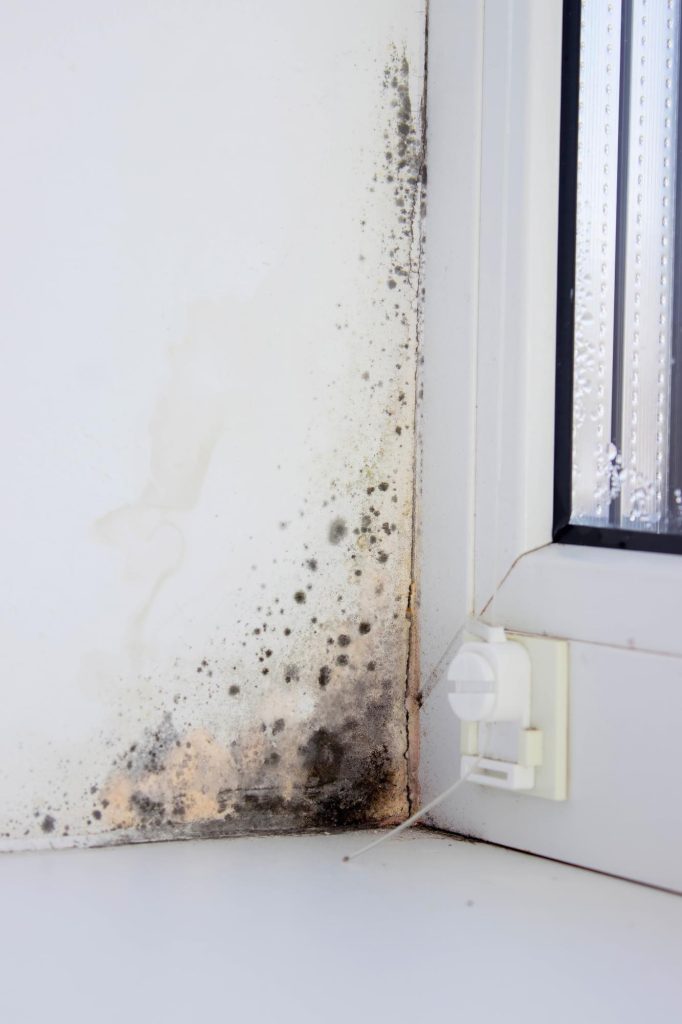
The work stops being prevention the moment visible growth shows up. The same goes for when a moisture survey finds raised readings behind a wall with an odor to match it. Remediation runs under containment, with negative air pressure holding spores inside the work area while the affected material comes out.
Skipping that containment just to save a day can turn a problem in one bathroom into a problem across an entire floor. Honestly, it’s the most common avoidable failure we see across Orlando, Florida.
Our crews seal off the work zone and remove whatever can’t be saved. Remaining surfaces get treated, and then we actually address the moisture source that caused the growth in the first place.
That last step is the one most often skipped elsewhere, and skipping it pretty much guarantees the growth comes back. Reconstruction follows once readings hold steady, which keeps demolition and rebuild under one roof, one company, start to finish.
What We Do Differently on a Mold Risk Job
Equipment is part of it, sure. Truck-mounted extraction pulls standing water out far faster than portable units ever could. Commercial air movers paired with dehumidifiers drive moisture out of the framing and subfloor, not just off the surface. Thermal imaging maps where the water actually traveled, which is usually a lot further than the visible damage suggests.
The rest is really just sequencing. Our crews find the source before the drying plan even gets written. We categorize the water before deciding what stays, and we document readings as we go so the file actually supports the claim.
We bill carriers directly too, including State Farm, Allstate, Nationwide, and Progressive. Orlando homeowners and property managers rate this branch 4.9 stars on Google, and what they mention pretty much comes down to two things: how fast the crew showed up, and whether anybody bothered to explain what was happening.
Frequently Asked Questions
Growth can start within 24 to 48 hours, and Central Florida’s humidity tends to push most properties toward the early end of that range. Timing really depends on temperature, how much water is present, and whether the wet material is organic. Treat that first day as the window where prevention is still realistic.
No, not really. Bleach can strip the visible color from a colony on a hard surface. It doesn’t address growth living inside porous materials like drywall, framing, or carpet padding. The colony stays active and just keeps reproducing. Removing the moisture and the affected material is what actually resolves it.
Sometimes, on a small spill caught right away on a hard floor. Household equipment moves surface air around and rarely reaches water inside a wall cavity or under a pad. If water reaches the drywall, insulation, or subfloor, surface drying will leave the core wet, and the growth just keeps going.
It depends on the cause and the policy terms, honestly. Sudden events like a burst pipe are commonly covered. Gradual leaks and long-standing maintenance issues get treated differently more often than not, and a lot of Florida policies cap mold coverage specifically. Ask your carrier to confirm your mold limit in writing, just to be safe.
The affected materials should read at the same moisture content as comparable dry material elsewhere in the building. That gets confirmed with a meter, not just by feel. Ask for the daily readings log, which any company drying your property should be able to produce without issue. A stalled reading usually means a moisture source is still active somewhere.
Contact Us
Water in the house or a smell that won’t go away? Our team serves Winter Park, Altamonte Springs, Oviedo, Ocoee, and Apopka 24 hours a day, 365 days a year.
Call us at (407) 278-7715, visit 6959 Stapoint Ct Suite K, Winter Park, FL 32792, or contact us online if that’s easier. We’ll schedule a free in-home visual assessment so you know what’s wet before anyone removes anything.
Related Topics: