


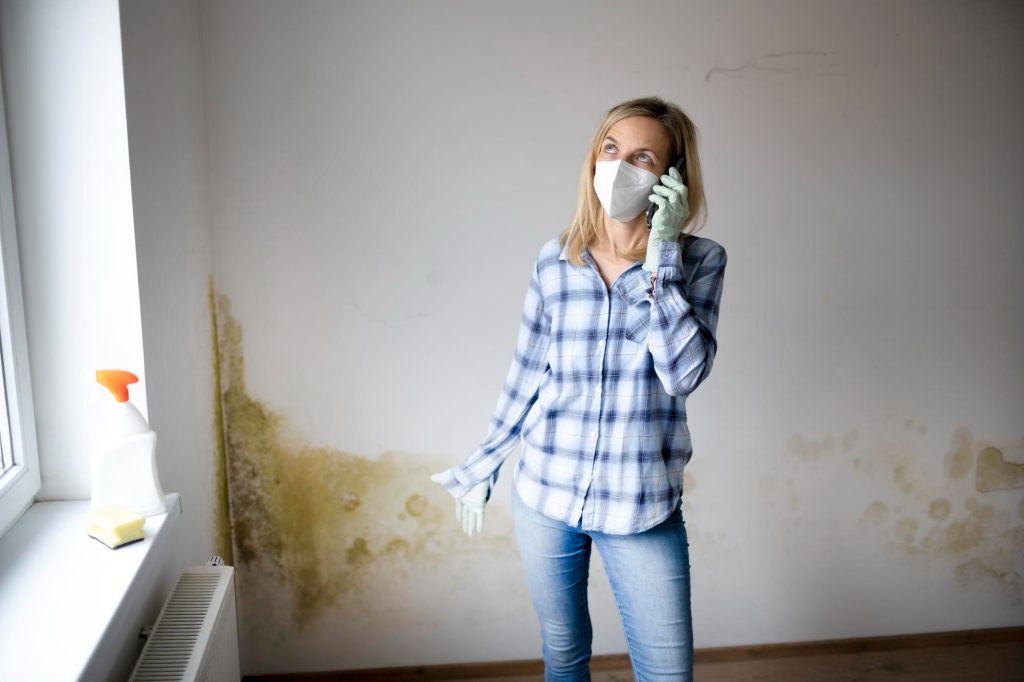
Water damage changes the air in a house long before anyone sees a stain. The wet materials start releasing spores, bacteria, and odor into rooms that look untouched. A damp wall cavity is kind of an open source, and the air conditioning just carries whatever it produces through the building.
Our team at United Water Restoration Group of Orlando works as an expert water damage repair company in Orlando, FL, across Orange County. We dispatch IICRC- and IRI-certified technicians at any hour, and we measure moisture inside materials rather than judging a room by its smell.
The readings and the smell often tell different stories. If the air in one room has changed and nothing visible explains it, maybe look behind a surface.
What Changes in the Air Once Water Sits in a Wall
Building materials are not inert when they get wet, you know. Paper facing on drywall feeds mold. Fiberglass insulation holds water in the batt for weeks.
The organic dust that settles in every wall cavity becomes a growth surface once humidity climbs, even a bit. Spores and microbial compounds then leak into the living space through outlet boxes, baseboard gaps, and door frames.
Clean water loses that status quickly. Water from a supply line starts out safe, then picks up contamination from whatever it passes through. A two-day-old leak gets treated very differently from a two-hour-old one.
Our technicians categorize the water before the drying plan is set. That category decides whether a material gets dried or removed, and professional mold removal is often what protects the air.
The Smell That Arrives Before the Mold Does
A musty odor is not mold itself. It is a set of compounds released by growth that is already active. The smell is a timing signal rather than a nuisance. Homeowners usually notice it early in a closet, a laundry room, or a guest bedroom. Those rooms get less airflow, so the odor sits long enough to register.
Air fresheners and ozone machines address the compound and leave the source running. We have walked into Orlando homes where the smell was masked for months while water damage left untreated kept degrading the wall behind it. Odor work only holds once the moisture is gone and the affected material is dried through or taken out.

If a musty smell keeps showing up in a closet or spare room, give us a call at (407) 278-7715, and we’ll find what is wet behind the wall before it turns into a bigger problem.
How Different Materials Behave Once They Are Wet
| Material | What moisture does to it | Effect on the air |
| Paper-faced drywall | Wicks water upward and stays damp inside | Feeds growth behind the paint |
| Fiberglass insulation | Holds water in the batt and dries slowly | Musty odor pushed out through wall gaps |
| Carpet padding | Traps water beneath the surface | Bacteria and odor released underfoot |
| Engineered wood flooring | Swells and separates at the seams | Spores escape through the open joints |
The pattern across all four rows is the same. The surface dries, the core does not, and the room keeps smelling wrong. That gap between surface and core is what moisture meters and thermal imaging exist to close. It is also why a drying job is not finished when the carpet feels dry.
Stopping at the surface is how a small leak ends up near the high end of what mold remediation typically costs. A quick moisture reading inside the walls and floor is just a lot cheaper than finding out later.
Who Notices It Early in the Household
Air quality problems rarely announce themselves evenly, you know. Children, older adults, and anyone with an asthma or allergy history tend to react before the rest of the household notices. It usually shows up as congestion, eye irritation, or a cough. The useful signal is the pattern, which is better away from the house and worse at home.
We are a restoration company rather than a medical provider, so we will not tell you what a symptom means. What we can tell you is whether the building holds a moisture source capable of causing one, and where it sits.
A physician asking about active growth needs something concrete. A moisture survey, and where needed, professional mold removal under containment, gives them that.
What Drying and Cleaning Actually Fix
Structural drying removes the condition that lets growth continue. It stops the problem from getting worse, and it often resolves the whole thing when the water was clean and the response was quick. That is the best case, and it is common when a leak is caught the same day.
Where growth has already started, drying alone will not clear the air. The affected material comes out under containment and negative air pressure, so spores are not pushed through the house during removal. Surfaces get treated, and the air gets filtered throughout the work.
Our crews run that sequence in the same order on every mold job in Orlando, Florida. Skipping containment to save a day spreads a contained problem across a whole floor. The cost gap between those two outcomes can get pretty wide.
Clearing the air starts with finding the water. Our Orlando team serves Winter Park, Altamonte Springs, Oviedo, Ocoee, and the surrounding communities around the clock, so contact us or call (407) 278-7715 whenever something smells off. A visual assessment will show you what is wet behind the finish before you spend anything on repairs.
Related Topics: