


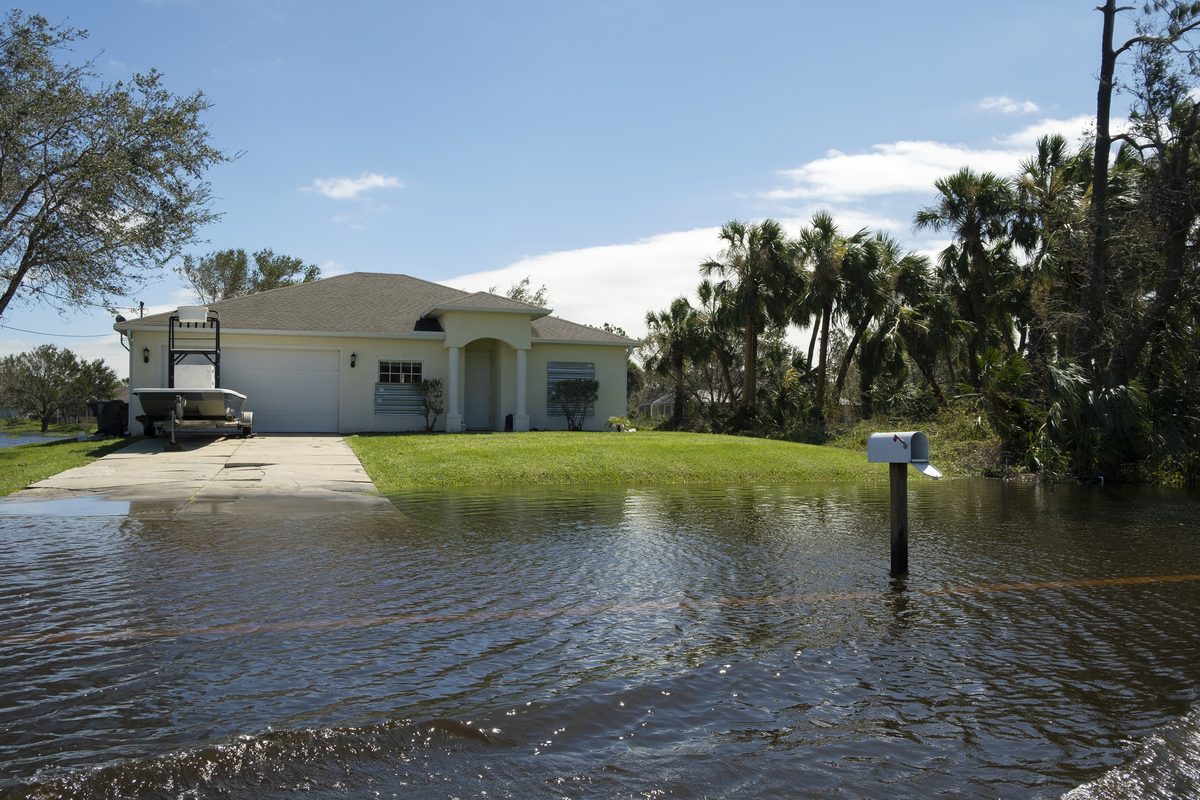
Storm season in Central Florida brings a predictable increase in water damage calls, and a lot of that damage traces back to issues that were already there before the first heavy rain showed up.
A roof with aging shingles, a gutter system clogged from months of buildup, or a slow plumbing leak that went unnoticed, all of these become a much bigger deal once a storm adds pressure to an already weak point. Checking these areas before storm season gets going gives Orlando property owners a real shot at catching small problems before they turn into something worse.
Our skilled water damage restoration team in Orlando, FL, at United Water Restoration Group of Orlando put together this walkthrough of the areas worth checking, what to look for in each one, and what to do if storm damage happens despite your preparation.
Why Storm Season Raises the Risk of Water Damage in Central Florida
Heavy rain and high winds put pressure on parts of a property that may already be weakened from ordinary wear, which is why storm season tends to expose problems that were previously invisible during normal weather.
A roof that has developed small cracks or missing shingles over time might not leak during light rain, but the same weak points often give way once wind-driven rain and sustained downpours arrive.
The same principle applies to gutters, seals around windows and doors, and grading around a property's foundation. These are the kinds of weak points that lead directly to calls for water damage restoration in Orlando once a storm finds them.
Beyond the increased rainfall itself, storm season in Orlando often brings sustained periods of heavy rain over several days rather than a single passing shower. This extended exposure gives water more time to find its way through any existing gaps or weak points in a property's exterior, which is part of why storm-related water damage often affects areas that seemed fine during a quick visual check earlier in the year.
Checking Your Roof and Gutters Before Storm Season Arrives
A roof inspection before storm season should include looking for missing, cracked, or lifted shingles, since these are common entry points for water once wind-driven rain starts pushing against the roof surface.
Areas around chimneys, vents, and skylights deserve particular attention, since flashing in these spots can deteriorate over time and create a path for water to reach the underlying structure. Catching a small area of damaged roofing before a storm arrives is far less costly than dealing with an active roof leak during heavy rain.
Gutters and downspouts play a direct role in how well a roof sheds water during a storm, and a system clogged with leaves, debris, or nesting materials can cause water to back up under roofing material or overflow directly against the side of the property.
Clearing gutters and confirming that downspouts direct water away from the foundation rather than pooling near it addresses two separate risk points at once. Both of these checks are relatively quick to perform but can meaningfully reduce how much water pressure a property faces once a storm hits.
Inspecting Plumbing and Appliances for Early Warning Signs
Storm season adds urgency to plumbing issues that might otherwise go unaddressed for a while longer, since heavy rain can increase groundwater pressure and expose weaknesses in supply lines, drains, and connections that were already starting to fail.
Checking under sinks, around water heaters, and behind washing machines for any sign of dampness, corrosion, or mineral buildup gives you a chance to address a slow leak before a storm adds additional strain to the system. Knowing what to do after heavy rainfall starts with catching these smaller issues before the rain ever arrives.
- Check under sinks and around water heaters for dampness, corrosion, or mineral buildup
- Inspect washing machine and dishwasher supply hoses for cracking or bulging
- Confirm gutters and downspouts are clear and direct water away from the foundation
- Look for missing, cracked, or lifted shingles and check flashing around chimneys and vents
- Walk the property perimeter and note any spots where water tends to collect
A hose that has been in place for many years and shows any cracking or bulging is a straightforward, low-cost item to replace compared to the water damage that results if it fails while no one is home.
Taking care of these smaller plumbing checks before storm season reduces the number of ways water can enter your property during a period when response times across the area may be affected by high demand.
| Area to Check | What to Look For |
|---|---|
| Roof and flashing | Missing, cracked, or lifted shingles; deteriorated flashing around chimneys and vents |
| Gutters and downspouts | Clogs from leaves or debris; downspouts not directing water away from the foundation |
| Plumbing and appliances | Dampness, corrosion, or mineral buildup near sinks, water heaters, and supply hoses |
| Grading and drainage | Grading sloped toward the foundation; blocked French drains or swales |
Found a soft spot on your roof deck or a gutter that overflows every time it rains? Call United Water Restoration Group of Orlando at (407) 278-7715, and we will help you figure out whether it needs a roofer, a plumber, or a restoration assessment before storm season arrives.
Preparing Your Property's Drainage and Grading
The ground immediately surrounding a home or business plays a significant role in whether stormwater flows away from the structure or pools against it. Grading that slopes toward a foundation rather than away from it can direct rainwater straight toward the base of a building, increasing the chance of water finding its way into a crawl space, basement area, or ground floor.
Walking the perimeter of your property before storm season and noting any areas where water tends to collect gives you a starting point for addressing drainage issues.
Landscaping choices also affect drainage, since mulch beds, raised planters, or dense plantings placed directly against a foundation can trap moisture against the exterior wall instead of letting it drain away. Clearing debris from drainage channels, French drains, or swales lets these systems do their job when heavy rain arrives, rather than getting blocked by leaves and sediment that built up over the preceding months.
These grading and drainage checks are often overlooked compared to roof and gutter maintenance, but they play just as direct a role in whether stormwater stays outside a property or finds its way in.
What to Do If Storm Damage Happens Despite Preparation
Even with thorough preparation, storms are unpredictable, and water damage can still happen through an unexpected point of failure or when rain exceeds what normal precautions can fully manage. If water does get into your property during a storm, move valuable items away from the affected area and document the damage with photos as soon as it is safe to do so to create a clear record for your reference and any insurance claim.
Addressing the water as soon as conditions allow matters just as much after a storm as it does with any other water damage event, since the same rules about moisture spreading into building materials and creating conditions for mold apply regardless of the cause.
Preparation before storm season reduces how often and how severely water damage occurs, but having a plan for what to do if it happens anyway is just as necessary a part of getting through storm season with minimal disruption to your property.
Frequently Asked Questions
When should Orlando property owners start storm season prep?
Before the rainy season ramps up, typically in late spring. Checking roofing, gutters, plumbing, and drainage while the weather is calm gives you time to fix small problems instead of discovering them during an active storm.
Can United Water Restoration Group of Orlando help before damage happens, or only after?
The company's core service is responding after damage occurs, but recognizing the warning signs described in this guide, such as soft roofing, clogged gutters, or grading that slopes toward the foundation, helps you address risks before a storm turns them into a claim.
What should I do first if storm water does get into my property?
Move valuable items away from the affected area, photograph the damage as soon as it is safe, and call a restoration company. United Water Restoration Group of Orlando answers 24 hours a day, every day of the year, and offers a free in-home visual assessment.
Our IICRC-certified technicians are available 24 hours a day for a free in-home visual assessment, and we work directly with major carriers to make the claims process easier. Call (407) 278-7715 to get started.