


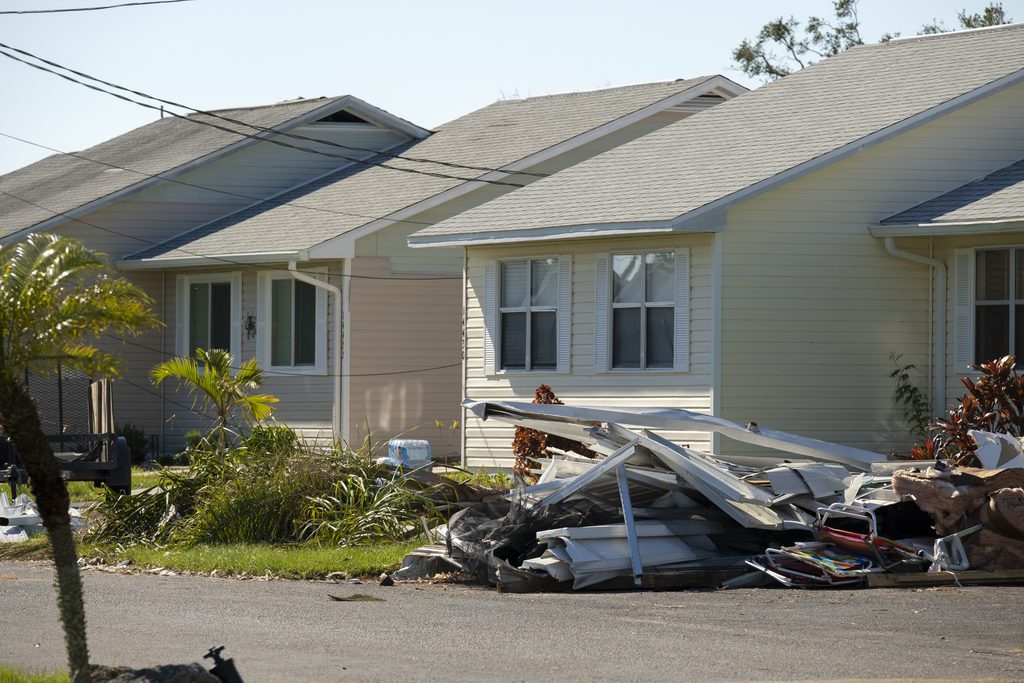
When a tropical storm heads for Orlando, the usual preparation is a two day scramble for plywood and bottled water. That scramble does little to keep water out. Wind makes the headlines, but water does the damage, quietly, through gaps that were already there.
Much of what decides whether a home stays dry is settled weeks or months ahead of any forecast. It comes down to whether the drainage was clear, whether the roof flashing was sound and whether anyone had checked the door and window seals since they were installed.
A tropical storm tends to find those weak points rather than create them. Homeowners who line up a reliable water damage repair service in Orlando, FL before hurricane season have someone ready to step in the moment water does get through.
Where Storm Water Gets Into a Central Florida House
Wind driven rain behaves nothing like ordinary rainfall. Rain moving horizontally at speed gets under roof coverings, past window seals and around door thresholds that shed vertical rain without trouble.
A house that has never leaked can take water at several points during one named storm, then stay dry for years afterward. Those hidden openings are what most storm damage restoration calls in this area trace back to, which is why having a crew check them early keeps a small leak from turning into a rebuild.
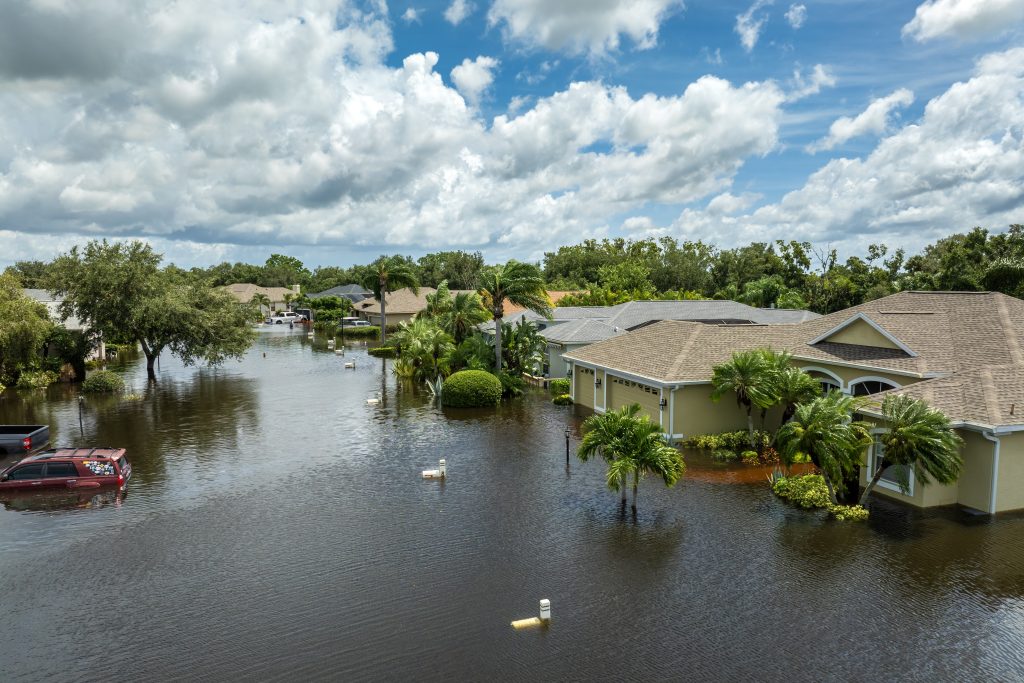
The other route is ground water, and that is mostly a drainage question:
- Clogged gutters overflow at the fascia and send water down the wall face.
- Downspouts that discharge next to the foundation saturate the soil, which then holds water against the slab instead of letting it drain away.
- Grading that slopes back toward the house does the same thing on a larger scale.
That last one is where summer storms & water damage risk overlap most often in this part of Florida.
Work that Belongs to the Season, Not to the Storm
Start with the roof. Plumbing vent boots crack with age, flashing lifts at roof to wall junctions, and valley metal collects debris that backs water up under the covering. Add loose shingles and any soffit or fascia that has started to separate.
All of it is routine work in April, before hurricane season opens on June 1, and hard to get done once a warning is issued. Handling it early is the simplest way to cut the summer storms and water damage risk a Central Florida house carries.
Openings come next. Weatherstripping on exterior doors compresses and stops sealing, and caulk around window frames shrinks and cracks. Older sliding doors lose the seal at the bottom track, which is where wind driven rain tends to collect and get pushed inside.
Drainage belongs on the same list. Clear the gutters, extend downspouts several feet from the foundation and check that the ground falls away from the slab on every side of the house. Yard drains and swales that carry water off the property should be cleared too.
| Timing | Task | Why it matters |
|---|---|---|
| Before June 1 | Inspect vent boots, flashing and roof valleys | Stops leaks at the roof’s weak points |
| Before June 1 | Clear gutters, extend downspouts, check grading | Keeps ground water off the slab |
| Before June 1 | Replace worn weatherstripping and caulk | Seals gaps around doors and windows |
| 72 hours out | Photograph every room and the exterior | Records the pre storm condition |
| 48 hours out | Clear the yard, secure or store loose items | Reduces impact damage and new openings |
| 24 hours out | Lift belongings, move valuables to interior rooms | Limits loss if water reaches the floor |
Anything on that list that has not been done since last season is worth doing now rather than in the week a system forms. Tarps, plywood and contractors get hard to find once a storm has a name.
If an inspection turns up a stained ceiling, soft drywall or a musty closet left by an earlier storm, the moisture behind it may still be there. Our water damage restoration service maps where that water traveled and dries the structure out, so the next storm is not building on an old problem.
Turned up a musty closet or soft drywall from an earlier Orlando storm? Give us a call at (407) 278-7715, and we will check whether that moisture is still in the wall before the next system arrives.
The Final 48 Hours When a System is Named
The last two days before a named storm are for triage, not repair. Clear the yard of anything the wind can pick up and throw, because a patio chair through a window lets in far more water than a failed seal.
Bring in or tie down planters, grills and pool equipment, and trim overhanging branches if there is time to do it safely. Fit shutters or panels fully rather than partially, since a half secured panel can tear loose and become a projectile.
Inside, get belongings off the floor. Move boxes, electronics and anything made of paper or fabric into interior rooms, and take documents and hard drives to the highest safe spot in the house. Charge everything that holds a charge. Knowing the steps to dry water damage home interiors take is also worth reading up on now, while nothing is wet.
What to have ready before the wind arrives
- Dated photos and video of the house, inside and out
- Your policy number and your carrier’s claims line, saved offline
- The location of your main water shutoff and your electrical panel
- Tarps, plastic sheeting and duct tape for temporary covering after the storm
- A working flashlight, spare batteries and a charged power bank
- Cash, since card readers and ATMs can go down with the power
Documenting the Property While it is Still Intact
Photos taken in calm weather are among the most useful records a homeowner can give an adjuster. They are also easy to skip in the rush to prepare.
Walk every room with a phone, filming slowly and opening closets and cabinets so floors, ceilings and walls all show up, then do the same outside. Store the files somewhere other than the house, which in practice means cloud storage.
The value shows up when a carrier asks what condition something was in before the loss. A dated set of images can settle that quickly and cut down on disputes over pre existing damage, especially with receipts for recent replacements stored in the same place.
Pre storm footage also gives our team a clean baseline when we bill your carrier directly, which keeps water damage restoration moving instead of stalling on paperwork.
What to do Once Water Gets Inside
Safety comes before anything else:
- Stay out of standing water wherever the power may still be alive.
- Keep out of the attic or any room where a ceiling is holding water and sagging.
- Switch off power to affected rooms at the breaker only if you can reach the panel without standing in water.
- Photograph every affected room before you move anything, once it is safe to move around.
Then limit the spread:
- Stop any intrusion you can get to safely.
- Cover openings with tarps or plastic sheeting.
- Lift belongings off wet flooring.
- Keep the air conditioning off if water has reached the ductwork or the air handler, because running it can carry moisture and contaminants through the rest of the house.
- Call a restoration crew rather than starting demolition yourself, since what gets opened, and in what order, shapes both the drying plan and the claim.
United Water Restoration Group of Orlando answers the phone around the clock, all through storm season. Crews arrive with truck mounted extraction units and commercial drying equipment.
Certified IICRC and IRI technicians carry the job from emergency tarping and board up through structural drying, mold remediation and reconstruction. One team handles water damage restoration in Orlando, FL, start to finish, with no hand offs between contractors.