


Drying a property after water damage is not a single task that finishes in an afternoon. It is a process made up of several stages, each one building on the last. Skipping or rushing any of them tends to cause problems that surface weeks later.
For homeowners and business owners across Orlando, knowing what actually goes into a proper drying process makes it easier to know what to expect after a leak, a burst pipe, or storm-related flooding. That is exactly why working with professional water damage restoration services in Orlando, FL, makes a real difference from the very start.
Step One, Removing Standing Water
Before any drying can begin, standing water has to be removed from the property. Pumps and wet vacuums handle the bulk of visible water, working through affected rooms to pull out as much as possible before moving to the next stage.
The faster this happens, the less time water has to soak deeper into flooring, walls, and subflooring. Extraction is the point where drying and dehumidification work actually starts, and how quickly it begins shapes how much can be saved.
This stage also includes removing any items that cannot be dried in place, such as soaked carpet padding or damaged furniture that would otherwise continue holding moisture in the room. Clearing these items early helps air move more freely through the space during the stages that follow.
Step Two, Assessing the Full Extent of the Moisture
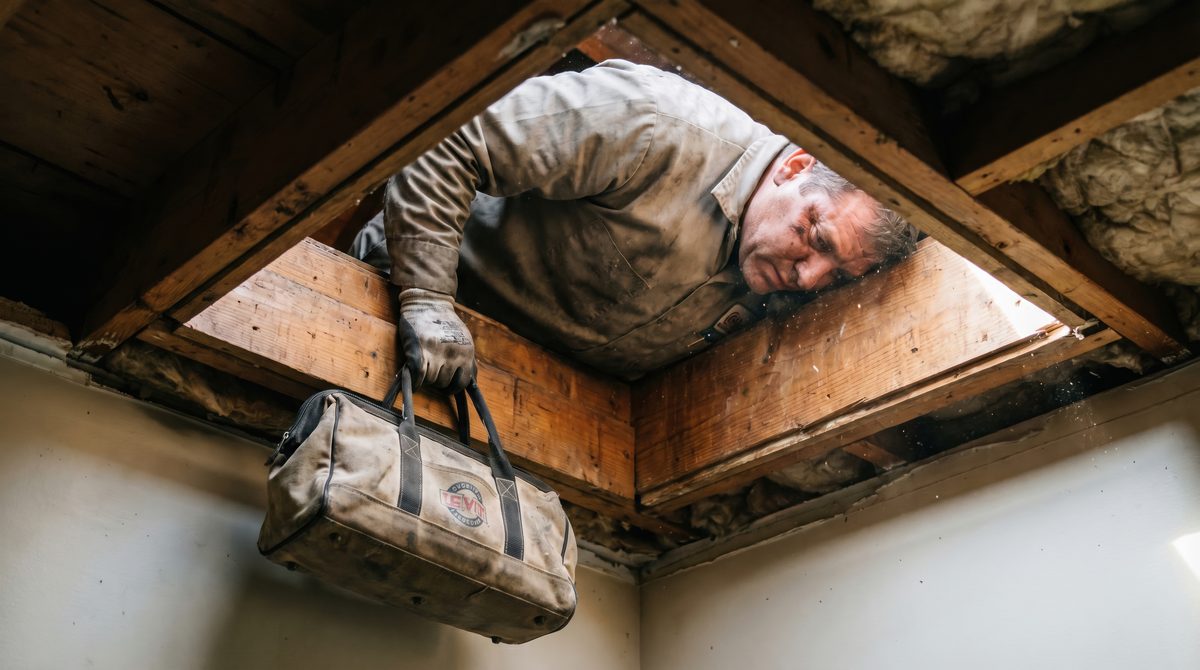
Once visible water is gone, the next stage involves finding out how far the moisture actually traveled. Thermal imaging cameras and moisture meters are used together to check walls, flooring, and ceilings for dampness that is not visible from the surface, since water often spreads further than it appears once it seeps into building materials. The tools and readings involved in finding moisture inside a wall are the same ones used to map how far water traveled.
Skipping a thorough assessment can mean a room looks dry on the surface while materials underneath remain wet, setting up conditions for mold weeks after the visible cleanup is finished.
Step Three, Setting Up Air Movers and Dehumidifiers
Structural drying relies on a combination of air movers and commercial dehumidifiers working together. Air movers push air across wet surfaces to speed up evaporation, while dehumidifiers pull that moisture out of the air so it does not simply resettle on nearby materials. The number and placement of each depend on the size of the affected area and how much moisture is present.
This equipment typically needs to run continuously over several days rather than just a few hours. Florida's humidity makes this stage especially demanding, since the air itself often holds more moisture than in drier climates, so drying equipment has more work to do before a space is actually considered dry.
Dealing with a wet carpet or a damp wall in your Orlando home right now? Call us at (407) 278-7715, and a certified technician can start the extraction and drying process before conditions get worse.
Equipment Used During a Proper Drying Process
- Submersible pumps and wet vacuums for standing water
- Thermal imaging cameras to find moisture not visible on the surface
- Pin or pinless moisture meters for direct readings
- Commercial air movers positioned around affected surfaces
- Industrial dehumidifiers sized to the affected area
Step Four, Monitoring Moisture Levels to Track Drying Progress
Drying is not something that finishes on a set schedule. Moisture levels are checked regularly throughout the process using moisture meters, comparing readings from day to day to see whether materials are actually losing moisture at the expected rate. This monitoring is what determines when equipment can be removed, rather than guessing based on how a room looks or feels.
If a reading shows a material is still holding more moisture than it should after several days, that is a sign either the drying setup needs to change, or there is more moisture in that area than initially assessed.
Step Five, Confirming the Property Is Dry Before Repairs Begin
Once moisture readings across the affected area meet the expected levels for dry materials, the drying stage is considered complete. This confirmation matters because starting repairs on flooring, drywall, or paint before materials are truly dry can trap moisture underneath new materials, leading to problems that are much harder to catch later.
| Step | What Happens | Typical Duration |
|---|---|---|
| 1. Water removal | Pumps and wet vacuums extract standing water | Same day |
| 2. Moisture assessment | Thermal imaging and moisture meters map hidden moisture | Same day |
| 3. Air movers and dehumidifiers | Equipment placed to evaporate and pull out moisture | Several days |
| 4. Moisture monitoring | Daily readings track drying progress | Ongoing through drying |
| 5. Final confirmation | Readings confirm materials meet dry standards | Before repairs begin |
For homeowners and business owners across Orlando, Winter Park, Altamonte Springs, Oviedo, Winter Springs, Winter Garden, and Ocoee, this final confirmation is what separates a property that is truly restored from one that only looks restored on the surface.
Why Skipping Steps Often Leads to Repeat Problems
Starting repairs before an area has been fully assessed, or removing drying equipment early because a room looks dry, are two of the more common shortcuts that lead to a second, more expensive problem later. A wall that gets painted over while still damp underneath, for example, can trap that moisture in place, giving mold a hidden space to grow behind a fresh coat of paint.
Following each step in order, from extraction through final confirmation, gives a water-damaged property in the Orlando area the best chance of a complete recovery without repeat issues down the road.
Frequently Asked Questions
How long does the drying process usually take?
Most contained leaks dry within three to five days, while larger losses with saturated materials can take longer, particularly given Florida's humidity.
Can I stay in my home while equipment is running?
In many cases yes, especially for smaller, contained losses. A technician can advise whether the extent of the drying makes temporary relocation more practical.
How do I know when a room is actually dry?
Moisture meter readings, not how a room looks or feels, confirm when materials have reached expected dry levels.
What moisture reading counts as dry?
Dry is measured against the normal moisture content for that material in that environment rather than a single universal number, which is why readings are compared day to day against an unaffected area of the same material.
Our IICRC-certified technicians are available 24 hours a day for a free in-home visual assessment, and we work directly with major carriers to make the claims process easier. Call (407) 278-7715 to get started.