


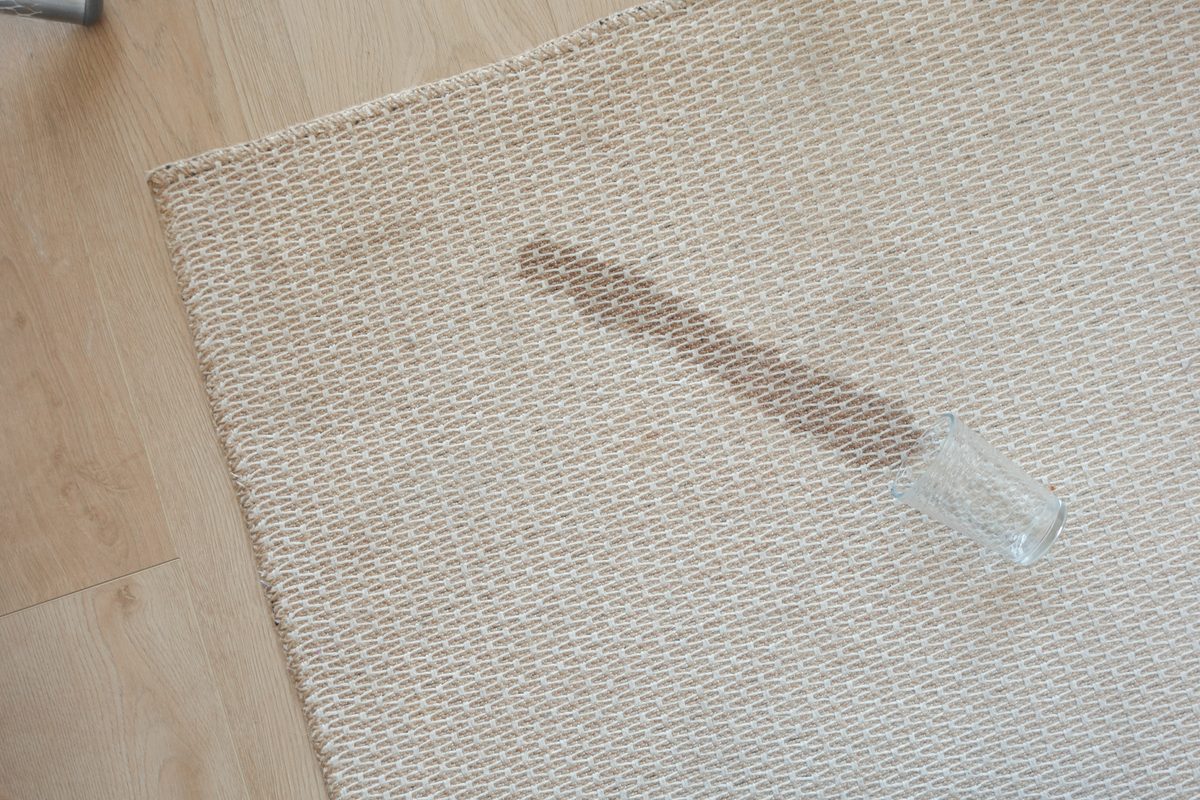
Carpet is one of the first materials to show the effects of water damage and also one of the fastest to go from a simple drying job to a full replacement.
For homeowners across Orlando and the surrounding area, calling a skilled water damage restoration team within the first few hours after a leak or flood, rather than waiting to see if things dry on their own, often determines whether that carpet can be saved at all.
How Quickly Water Damage Affects Carpet and Padding
Carpet fibers can usually withstand a certain amount of moisture without permanent damage, but the padding underneath is more vulnerable. Padding absorbs and holds far more water than the visible carpet layer, and once saturated, it tends to stay wet long after the surface feels dry to the touch.
Fast action from a team handling water extraction and drying in Orlando is often what separates padding that can be saved from padding that has to be torn out.
The clock starts moving fast once water reaches the carpet and padding. Within the first day, moisture spreads further into the padding and subfloor than what is visible from above, and by the second day, conditions are already favorable for mold and bacteria to start developing.
Why Standing Water Under Carpet Leads to Odor and Mold
A musty smell coming from carpet after water damage is rarely just an odor problem. That smell usually signals that moisture has been trapped long enough for mold or bacteria to begin developing in the padding or subfloor. Once that process starts, drying only the carpet surface does little to address the underlying issue.
Category of water matters here as well. Clean water from a source like an overflowing sink carries far less risk than grey or black water from a sewage backup or floodwater, both of which introduce contamination that carpet and padding can hold onto even after drying.
What Determines Whether Wet Carpet Can Be Saved
How long the carpet sat wet before treatment began is usually the biggest factor in whether it can be saved. The type of water involved plays a role as well, separate from whether the material itself could technically be dried.
| Water Category | Contamination Level | Carpet Outlook |
|---|---|---|
| Category 1, clean water | Low, from a source like a supply line | Often dried in place if treated quickly |
| Category 2, grey water | Moderate, from appliances or minor backups | Depends on how long it sat before treatment |
| Category 3, black water | High, from sewage or floodwater | Replacement is typically the safer choice |
Have carpet that has been sitting wet for more than a few hours in your Orlando home? Call us at (407) 278-7715, and a certified technician can start extraction before the padding and subfloor take on more damage.
The Process of Extracting Water and Drying Carpet Properly
Saving wet carpet, when it is possible, starts with removing as much standing water as possible using extraction equipment built for that purpose rather than a household wet vacuum. From there, air movers and dehumidifiers work together to pull moisture out of the carpet, padding, and subfloor over the course of several days, rather than a single treatment.
Moisture readings are typically checked throughout this process to confirm the padding and subfloor underneath are actually drying, not just the visible surface of the carpet.
What Happens When Wet Carpet Is Left Untreated
Carpet left wet for an extended period does more than develop an odor. The padding underneath breaks down, adhesives holding carpet to the subfloor can fail, and the subfloor itself can begin to warp or weaken if moisture is allowed to sit for long enough.
For homeowners across Orlando, Winter Park, Altamonte Springs, Oviedo, Winter Springs, Winter Garden, and Ocoee, the safest approach after any water event involving carpet is to treat the area as though time matters, because in most cases it genuinely does.
Signs Wet Carpet Has Gone Too Long Without Treatment
- A strong, persistent odor that does not fade after airing out the room
- Carpet that feels squishy or spongy underfoot
- Visible discoloration or dark spotting on the surface
- Carpet edges lifting or separating from the tack strip
- A cool, damp feeling that returns after the surface seems to dry
Florida's climate makes this timeline move even faster than it might in a drier region. High humidity slows natural evaporation, which means carpet that might survive a day or two of dampness elsewhere can reach the point of no return sooner here.
Frequently Asked Questions
Can wet carpet always be dried instead of replaced?
Not always. The water category and how long the carpet sat wet both affect whether drying in place is realistic or whether replacement is the safer option.
How soon does mold become a risk after carpet gets wet?
Conditions can become favorable for mold within about two days, which is why prompt extraction and drying matter.
Does homeowner's insurance typically cover wet carpet replacement?
Coverage depends on the cause and the specific policy, so confirming details directly with the carrier is the most reliable way to know.
Our IICRC-certified technicians are available 24 hours a day for a free in-home visual assessment, and we work directly with major carriers to make the claims process easier. Call (407) 278-7715 to get started.