


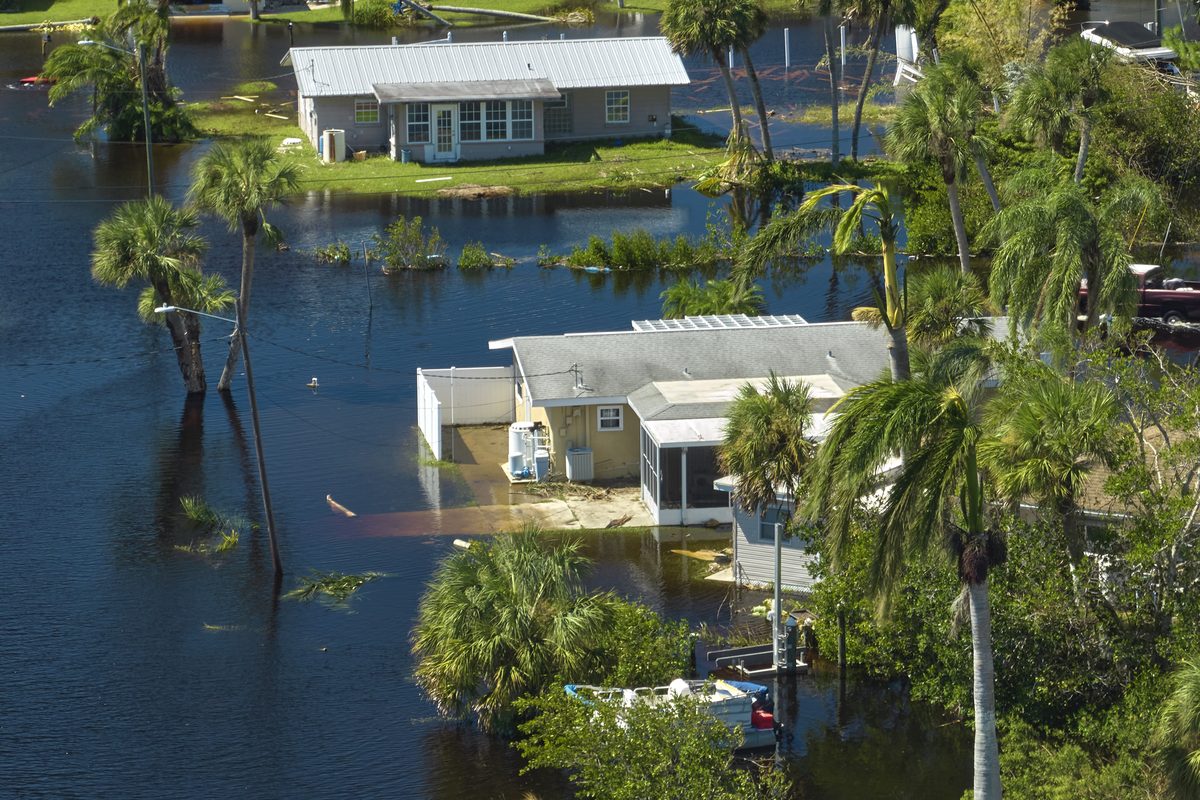
Hurricane season along the Volusia and Flagler County coastline brings a mix of heavy rain, storm surge, and wind-driven water that can turn a normal afternoon into a flooded living room or a soaked office floor within an hour. And honestly, it can happen faster than most people expect. One moment things look manageable, the next you are wading through standing water trying to figure out what to save first.
Knowing what to do in that first stretch of time, before help physically arrives, often makes the difference between a property that dries out cleanly and one that ends up with mold, warped flooring, and a much bigger repair bill down the line.
That is where dependable water damage restoration services in Daytona Beach, FL, make a real difference. Having a team you can call, one that actually shows up and knows what they are doing, takes a lot of the panic out of a situation that already has plenty of it.
Why Hurricane Season Flooding Hits Daytona Beach Properties So Hard
Daytona Beach sits close enough to the coast that storm surge, heavy rainfall, and poor drainage can combine during a single named storm. Homes and businesses on slab construction, common across this part of Florida, lack a basement to catch overflow, so water spreads sideways under flooring and into wall cavities before anyone notices standing water in a room.
Older neighborhoods near the Halifax River and beachside communities along A1A tend to see the fastest water intrusion because storm surge and rainfall arrive from two directions at once.
Newer inland developments are not immune either, since a few inches of rain in a short window can overwhelm street drainage and push water back toward a property faster than most people expect. When conditions escalate this quickly, storm damage restoration in Daytona Beach often needs to start well before the storm has fully passed.
What to Do in the First Few Hours After Flooding Begins
The choices made in the first hour after water enters a property often shape how much of it can actually be saved. Acting fast and calling for help early gives a restoration team a real chance to dry out flooring, drywall, and cabinetry instead of removing and replacing it later.
If it is safe to do so, shut off electricity to any flooded rooms at the breaker panel rather than reaching for a switch inside the wet space itself.
Move furniture, rugs, and personal belongings away from standing water where possible, and avoid running air conditioning in the affected rooms, since pulling damp air through the ductwork can spread moisture into parts of the property that were never actually flooded.
Knowing how to find the right water restoration company before the water even stops rising can save valuable time once extraction needs to begin.
Do this in the first hour, if it is safe:
- Shut off electricity to flooded rooms at the breaker panel
- Move furniture, rugs, and belongings away from standing water
- Avoid running air conditioning in the affected rooms
- Photograph every affected room and the water line on baseboards
- Stay clear of standing water near outlets or exposed wiring
Steps to Take Before Our Team Arrives
Once the property is safe to move around in, a few extra steps help protect both the structure and the eventual insurance claim. None of this replaces professional water extraction, but it does buy time and preserve evidence while a technician is on the way.
Photograph every affected room from a few angles, along with close-up shots of the water line on baseboards and furniture. Keep a rough note of when the water entered and how high it reached, since adjusters lean heavily on that kind of detail.
Documenting things this thoroughly from the start makes it much easier to build a strong insurance claim once the claims process gets underway. If there is any standing water near outlets, appliances, or exposed wiring, stay out of that area entirely until a technician confirms it is safe.
Why Fast Water Extraction Matters After a Storm
Water left sitting after a storm behaves differently than a simple pipe leak, since storm water often carries debris, bacteria, or runoff from outside the property. The longer it sits, the more it works its way into subflooring, baseboards, and drywall, turning a same-day extraction job into a multi-week rebuild.
Under the IICRC S500 standard, most water intrusion crosses from a manageable situation into a mold risk within roughly 24 to 48 hours in Florida's humidity. That timeline gets shorter, not longer, after a hurricane, since storms often knock out power and air conditioning right when a property needs airflow the most.
Getting extraction started quickly is one of the clearest ways to keep storm damage from turning into a mold remediation project on top of everything else.
Standing water already spreading across a room right now? Call United Water Restoration Group of Daytona Beach at (386) 888-8048, and a technician can be on the way while you finish securing the property.
How We Respond to Hurricane Season Flooding in Daytona Beach
Our team answers calls day and night during hurricane season, since storms rarely wait for regular business hours. A technician is dispatched to assess the property, identify how far the water traveled, and begin storm damage restoration as soon as it is safe to be on site.
We use thermal imaging and moisture meters to map water that has already moved into wall cavities or under flooring, since the visible wet area is rarely the full picture after a storm.
From there, our crews run commercial-grade air movers and dehumidifiers to dry the structure properly as part of standard water damage restoration, and if mold growth has already started, we handle that remediation before any repair work begins.
Working With Your Insurance Company After a Flood
Hurricane season flooding almost always involves an insurance claim, and how that claim is documented can affect how smoothly it moves through the process.
We work directly with insurance carriers, including State Farm, Allstate, USAA, Farmers, Liberty Mutual, Nationwide, Progressive, Travelers, American Family, and The Hartford, and bill them directly on the property owner's behalf as part of our insurance claim assistance.
Our team provides the documentation adjusters actually need, including photographs, moisture readings, and a clear record of when extraction and drying began. That kind of paper trail tends to support a claim far better than a homeowner trying to piece one together after the fact, especially during a busy storm season when adjusters are managing a heavy caseload across the region.
Frequently Asked Questions
Should I try to remove standing water myself before calling for help?
Removing a small amount of water with towels or a wet vac is fine if it is safe to do so, but standing water from a storm can carry contaminants, so it is best to leave larger extraction work to a technician with the right equipment.
How soon should I call after my property floods during a storm?
As soon as it is safe, ideally within the first few hours, since faster extraction limits how far water spreads into flooring and walls.
Will my homeowners insurance cover hurricane flooding?
Coverage depends on the specific policy and the cause of the water intrusion, since wind-driven rain, storm surge, and general flooding are sometimes treated differently. Our team documents the damage clearly so your carrier has what it needs to make that determination.
What if I cannot stay in my home while it dries out?
Structural drying can take several days depending on how much water intruded, and our team will walk you through what to expect and what areas need to stay clear during that process.
Do you handle both residential and commercial flooding after a storm?
Yes, our team responds to flooded homes, condos, and commercial properties across the Daytona Beach area, including offices, retail spaces, and multi-unit buildings.
Get Help Now
If a storm has flooded your property, United Water Restoration Group of Daytona Beach is ready to respond with certified technicians, a free assessment, and direct coordination with your insurance carrier. Call (386) 888-8048 to reach the restoration team in Daytona Beach and get help started.