


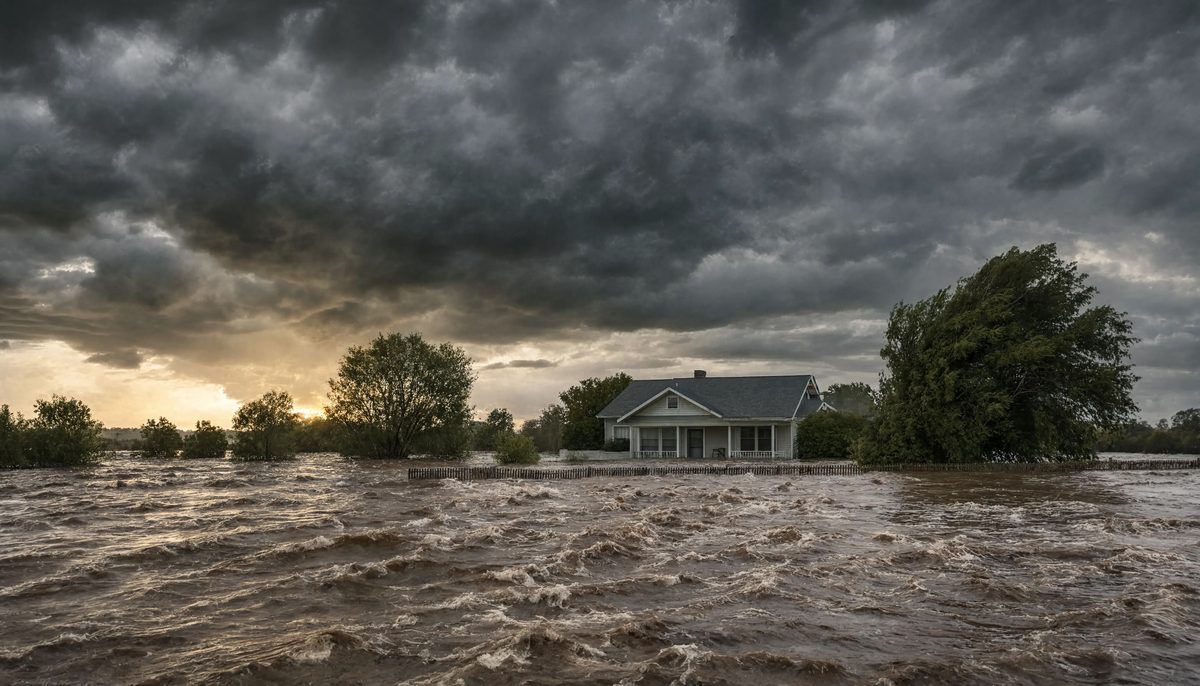
Living along Florida's east coast means heavy rain is just part of the year. Not an occasional surprise. Between summer thunderstorms and the tropical systems that roll through Volusia and Flagler County, Daytona Beach homes deal with rainfall that's heavier and more frequent than most parts of the country.
That kind of repeated exposure is, you know, exactly why it matters to understand how rain actually gets inside a home in the first place, because the damage rarely shows up the way people expect. A reliable water damage restoration team can spot what most homeowners miss before it turns into something bigger.
Why Daytona Beach Homes Are Exposed to Heavy Rain Damage
Coastal weather patterns bring intense, fast-moving rain events that can drop several inches of water in a short window of time. Older roofing, aging caulking around windows, and ground already saturated from a previous storm all reduce a home's ability to shed that water the way it was originally designed to.
Add in the flat or low-slope rooflines common in many Florida neighborhoods, along with yards that sit close to grade, and standing water and slow drainage become recurring issues here.
A home that handled one storm without trouble can still take on water during the next one if soil conditions, gutter clogs, or minor roof wear have quietly shifted in the meantime, which is often when storm damage restoration in Daytona Beach becomes necessary to address damage that built up unnoticed.
Humidity plays a role here too, since Florida's climate rarely gives building materials much chance to fully dry out between rain events. A roof or window seal already holding moisture from the last storm has less capacity to resist the next one, which is part of why homes in this area sometimes take on water even during storms that wouldn't have caused a problem in a drier region.
Common Entry Points Where Rainwater Gets Into a Home
Even a small gap can allow water to travel along rafters, framing, and insulation long before a stain ever appears on a ceiling or wall, which is part of why rain-related water damage often goes unnoticed until it has already spread. The most common entry points include the following.
- Roof flashing, vent boots, and loosened shingles or tiles
- Windows and exterior doors, especially under wind-driven rain
- Ground level slab cracks and low thresholds
- Exterior wall penetrations around pipes, conduit, and dryer vents
Noticed a damp spot on the ceiling or a musty smell after the last storm? Call us at (386) 233-7080, and we will take a look before hidden moisture turns into a bigger problem.
What Happens Inside a Home After Water Intrusion
Once rainwater gets past a roof, window, or foundation, it does not stay contained to one visible spot. Water follows gravity and the path of least resistance, often traveling along framing, insulation, and subflooring well beyond where it first entered. A small ceiling stain can sometimes represent a much larger area of saturated material above it.
If left unaddressed, that trapped moisture creates the exact conditions mold needs to grow, and it can also lead to warped flooring, weakened drywall, and damage to personal belongings stored nearby. The visible sign of a leak is almost always smaller than the actual extent of the water behind it, which is one reason a proper assessment matters more than trying to judge the damage by eye alone.
Storm Damage Versus Everyday Water Damage
Not every rain-related issue falls into the same category. A slow drip from aging roof flashing during a routine afternoon storm is different from storm damage from a tropical system that includes wind, debris impact, or a compromised roof structure. Both involve water, but the scope of the response looks different, as shown below.
| Everyday Rain Intrusion | Storm Damage | |
|---|---|---|
| Typical cause | Aging flashing, worn caulking, or a slow roof leak | Wind, debris impact, or a compromised roof structure |
| Scope | Usually contained to one area | Can affect multiple rooms or the whole roofline |
| Response needed | Water extraction and structural drying | Emergency board up along with extraction and drying |
What Homeowners Can Do Before and After a Storm
Before a heavy rain season or a named storm, checking gutters, downspouts, and visible roof condition can catch small problems before they become entry points. Making sure landscaping slopes away from the foundation and that exterior caulking around windows and doors is in good shape are both simple steps that reduce risk without a major project.
After a heavy rain event, watch for musty odors, discoloration on ceilings or walls, or a spongy feel in flooring to catch water intrusion early. If any of those signs appear, or if standing water has been visible inside the home at any point, getting a professional assessment quickly matters, since a same-day response versus a delayed one often shapes how much of the property ends up affected.
It also helps to walk the exterior of the home after a significant storm rather than assuming everything is fine simply because nothing looks wrong indoors. Checking for lifted shingles, debris sitting in gutters, or pooling water near the foundation can catch a developing problem before the next round of rain turns it into an active leak.
Frequently Asked Questions
How do I know if heavy rain has caused hidden water damage?
Look for musty odors, discoloration on ceilings or walls, or a spongy feel in flooring after a storm. Hidden moisture behind these surfaces often needs a moisture detection check to find the full extent.
Does homeowners insurance cover rain damage?
Coverage depends on the cause. Sudden events like wind-driven rain entering through storm damage are typically treated differently than gradual leaks that went unaddressed, so it helps to check the specific policy.
What is the difference between storm damage and a regular roof leak?
Storm damage usually involves wind, debris impact, or a structural breach and may require emergency board-up. A regular leak from aging flashing or caulking is typically more contained but can still cause meaningful damage if it goes unnoticed.
How fast should I call after noticing water intrusion from rain?
As soon as it is safe to do so. Faster extraction and drying limit how far the moisture spreads and reduce the risk of mold developing behind walls or under flooring.
Will you work with my insurance company after storm-related water damage?
Yes.
We work directly with insurance carriers, including State Farm, Allstate, USAA, Farmers, Liberty Mutual, Nationwide, Progressive, Travelers, American Family, and The Hartford, and bill them directly.
Heavy rain does not wait for a convenient time to find a weak spot in a roof, window, or foundation. If a recent storm has left a leak, a damp ceiling, or standing water anywhere in a Daytona Beach area home, call United Water Restoration Group of Daytona Beach at (386) 233-7080 for 24/7 emergency response and a free on-site assessment.