


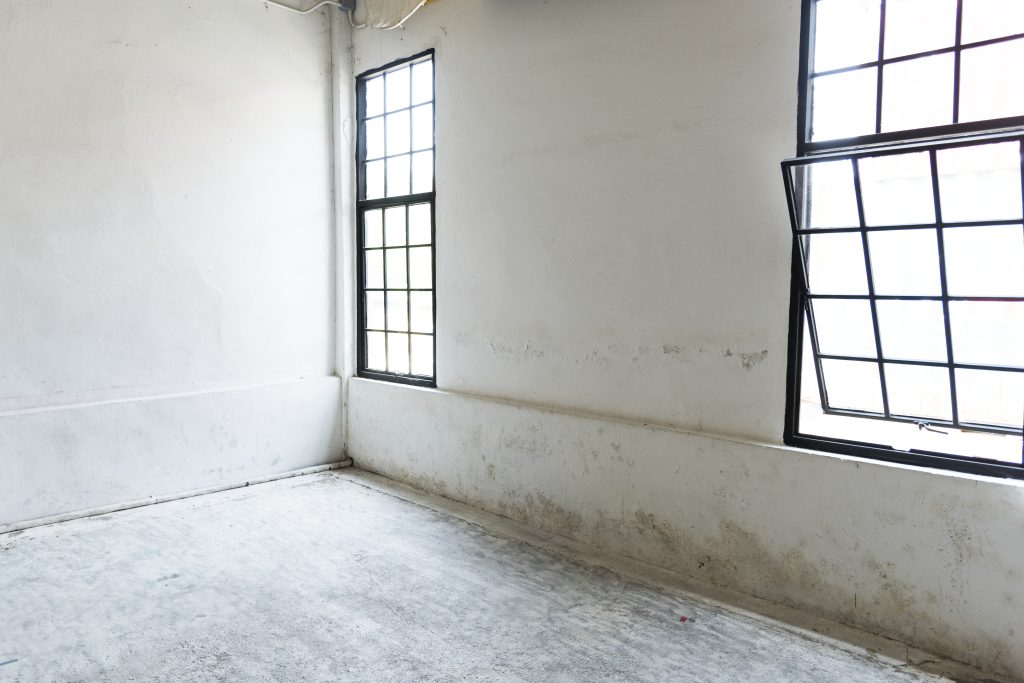
The day after a leak, a wall can look normal while the drywall behind the paint is still holding water. Many Lakeland homeowners take a dry looking surface as proof that the wall came through fine. Drywall does not work that way, and the damage it hides can take days to show up as a stain, a soft spot, or a musty smell.
Spotting those signs early and calling on trusted water damage restoration services in Lakeland, FL to get the wall dried within 48 hours of a leak can keep a minor repair from turning into a full wall replacement.
Why Drywall Absorbs Water So Easily
Standard drywall is a gypsum core pressed between two sheets of paper. Both materials absorb water, and they start pulling it in almost as soon as it arrives. The water might come from a burst pipe, a leaking air conditioning unit, or rain working in around a window.
The paper also gives mold a food source once it stays damp, which is how a simple leak turns into a job that needs mold remediation. Gypsum and paper make drywall affordable and easy to install, but they also leave it with almost no natural resistance to water. Even the moisture resistant panels common in bathrooms slow water down rather than stop it.
Wood framing often dries out and stays sound after a supply line leak. Soaked drywall is different, since it softens and loses strength even where it still looks intact from a few feet away.
What Happens Inside the Wall Before It Shows on the Surface
A stain on drywall marks where water became visible, not where it stopped. Moisture tends to move through the panel from the inside:
- Wicking upward from a wet baseboard
- Spreading sideways from wherever water enters the wall cavity
Wet insulation behind the panel holds water against the gypsum, while paint or wallpaper on the room side slows how quickly it can dry.
Because of that, a wall can carry a surprising amount of trapped moisture for days before anything shows from inside the room.
The wettest section may sit several inches from the spot that caught someone’s eye. That gap explains why the signs of untreated water damage so often surprise homeowners once a restoration team opens the wall and far more drywall comes out than expected.
Found a soft spot or bubbling paint along a wall after a leak or a Polk County storm? Give us a call at (863) 333-9865, and we will measure how far the moisture spread before more of the wall has to come out.
Early Warning Signs of Drywall Water Damage
Most water damaged walls give a few signals before the damage turns obvious. Many of those signals are easy to write off as cosmetic, which gives a slow leak time to spread.
Getting a technician out early also settles which of the water damage categories you are dealing with, and that decides whether the drywall can be dried or has to come out.
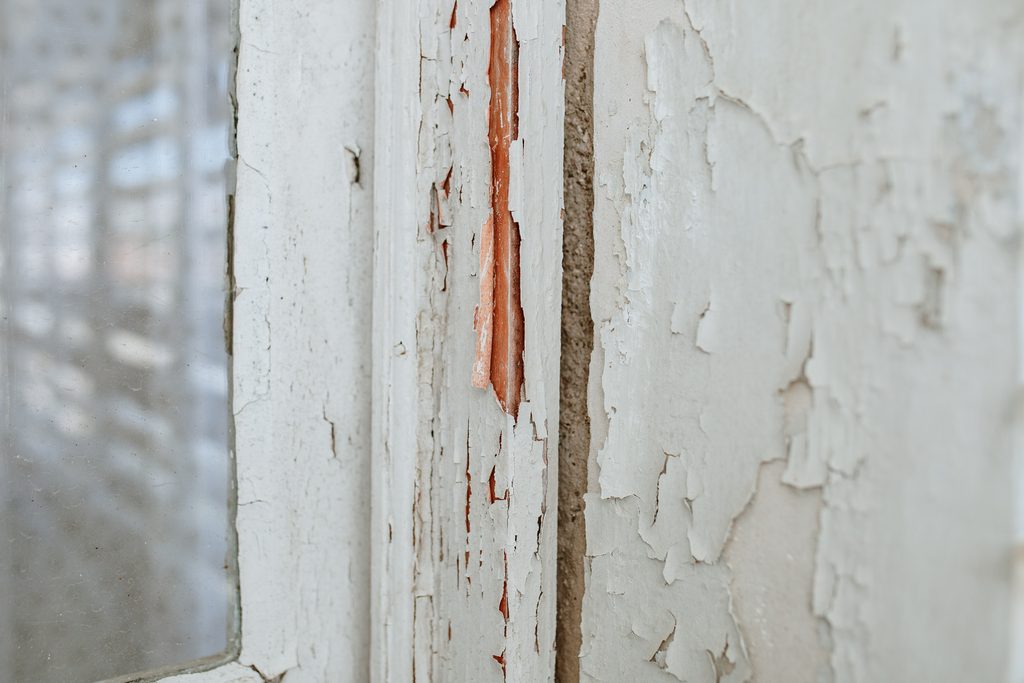
- Discoloration. A faint yellow or brown tint often shows up before anything else, especially near the bottom of a wall or around a window frame.
- Swelling or bubbling paint. Wet gypsum swells just enough to create a slight bulge or waviness in a flat wall, and paint can blister where water pushes through from behind.
- Soft or crumbling spots. A section that gives under light pressure, or crumbles where the wall meets the baseboard, has already lost strength.
- A musty smell. An odor with no visible stain often means moisture has been present long enough for mold to start growing where it cannot be seen.
Homeowners who act on these signs early usually face a smaller cleanup than those who wait for a visible problem.
What a Proper Drying and Repair Process Looks Like
A thorough response to wet drywall starts with finding out how far the moisture traveled:
- Test the wall at several points with a moisture meter rather than assuming the damage stopped at the stain.
- Map the wet area so air movers and dehumidifiers can be positioned to reach it, including the cavity behind the panel when needed.
Skipping that step is how trapped moisture ends up causing another round of repairs months after the job looks finished. Every water damage job at United Water Restoration Group of Lakeland follows this process:
- IICRC and IRI certified technicians map hidden moisture inside walls and cabinets.
- Readings are logged every day, and drying equipment keeps running until those numbers return to normal.
- Any section beyond saving is removed and repaired rather than covered.
- Reconstruction crews from the same team handle the new drywall, trim, and paint, so there is no separate contractor to schedule.