


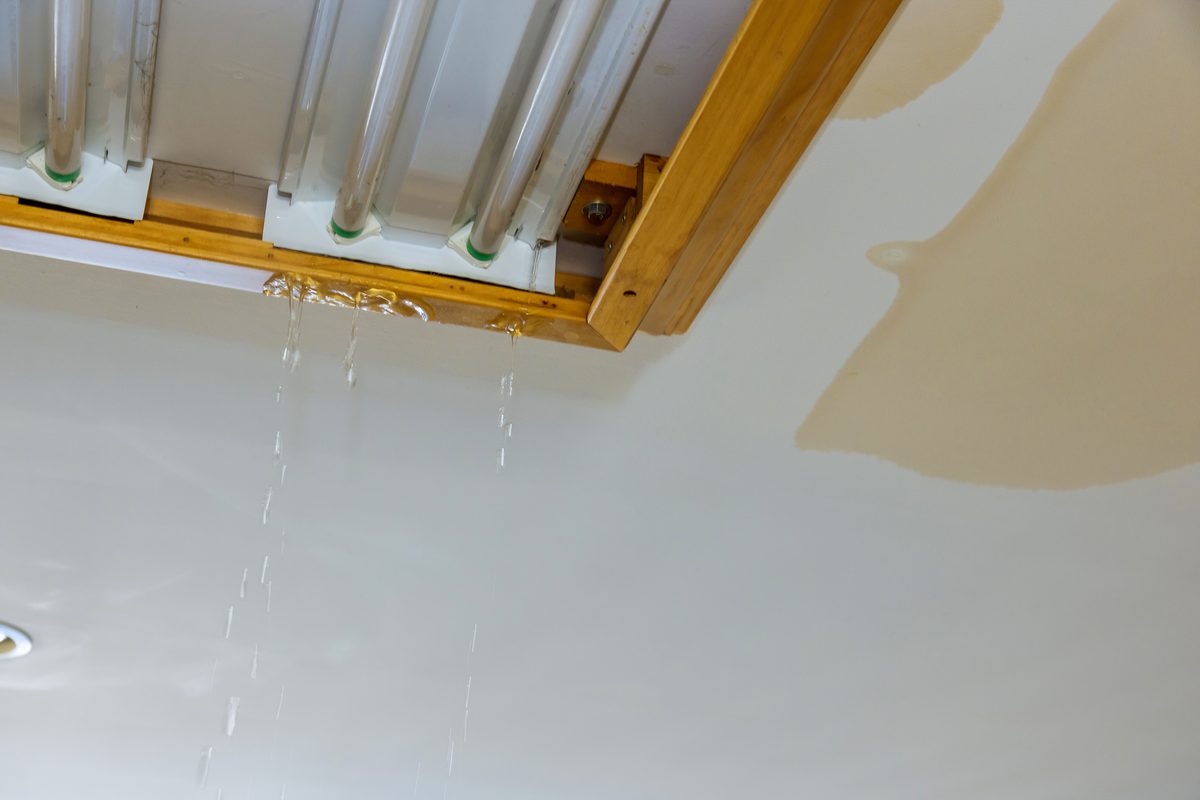
Orlando summers push AC systems hard, month after month, with barely a break. That kind of steady use is exactly why AC-related leaks show up so often in local homes. A slow drip from a clogged drain line rarely looks alarming at first, but given enough time it can soak through drywall, warp flooring, and create the damp conditions mold needs to grow.
Homeowners often reach out to local water damage restoration services in Orlando, FL, after assuming their air handler was just sweating, only to find soaked insulation once a technician pulled back the access panel. You know, that gap between “it is probably nothing” and actual structural damage is smaller than most people expect.
Knowing what causes this and what signs to watch for gives you a real chance to catch a leak before it turns into a much bigger repair.
Why Air Conditioning Systems Are a Common Source of Hidden Water Damage
Central air conditioning units produce condensation as they pull humidity from the air, and that moisture has to go somewhere. In a working system, it drains through a condensate line to the outside or into a drain pan.
When that line clogs with dust or algae, which happens often in Florida’s humid climate, the water backs up into the surrounding structure. This kind of buildup is one of the more common paths to water damage restoration in Orlando calls, since the leak often goes unnoticed until it has already spread.
Attic-mounted air handlers are especially prone to this, since a backed-up drain pan can overflow onto the attic floor and seep through the ceiling below. Closet-mounted units carry a similar risk, with water traveling along framing and behind walls before a stain ever shows on painted drywall. Because this plumbing sits hidden, a leak can run for weeks before a homeowner sees any evidence.
| Unit Location | Typical Leak Path | Common Resulting Damage |
|---|---|---|
| Attic mounted | Drain pan overflows onto the attic floor | Ceiling stains and saturated attic insulation |
| Closet mounted | Water travels along framing and behind walls | Hidden wall and subfloor damage before a stain appears |
Warning Signs of an AC Leak Homeowners Often Miss
A musty smell near a vent or closet is one of the earliest signs of an AC-related leak, even with no visible water in the room. That smell usually means moisture has already reached insulation or drywall and is starting to support mold in a space you cannot see.
Recognizing hidden water damage early, rather than waiting for a visible puddle, keeps a small clog from becoming a much larger repair.
- A musty smell near a vent, closet, or air handler with no visible water
- Discolored ceiling tiles above or near the unit
- A soft spot in flooring near a closet-mounted system
- Higher than normal humidity paired with an AC unit that runs constantly without cooling well
- A small puddle near an indoor unit that keeps reappearing every few days
A puddle that reappears points to an ongoing clog rather than a one-time event, and catching that early often means a quick repair instead of a full drying project.
Hearing a musty smell near a vent, or noticing a puddle by your indoor AC unit that keeps coming back? Call United Water Restoration Group of Orlando at (407) 278-7715, and we will check the drain line and the surrounding drywall before it turns into a mold problem.
How AC Leaks Lead to Mold and Structural Damage Over Time
Mold needs moisture and a food source to grow, and the drywall, framing, and insulation around a leaking AC line provide that. Once mold takes hold behind a wall, it can spread well beyond the original wet area, following moisture along framing. A leak that looks small on the surface can still require removing a much larger section once you open the wall.
Structural damage follows a similar pattern. Wood framing that stays wet can warp, and drywall loses its integrity once it absorbs enough moisture. Subfloors near closet-mounted units are particularly vulnerable, since standing condensate can pool in low spots for days before anyone notices.
The longer a leak goes unaddressed, the more likely repair will involve replacing materials rather than drying them.
What to Do the Moment You Notice Water Near Your AC Unit
Shut off the air conditioning system to stop the leak from adding moisture while you assess the situation. If water is near an outlet or exposed wiring, avoid standing water and stay cautious around that part of the room until the power there has been addressed. Moving items away from the wet area right away helps limit how far moisture spreads.
Taking a few photos before cleanup begins gives you a clear record of the damage at the start. From there, calling a technician who can assess both the AC drainage issue and the resulting water damage is the most direct way to determine how far moisture has traveled. Waiting to see if a leak resolves on its own almost always means a larger repair later.
How Our Team Handles Water Damage Restoration After an AC Leak
When we respond to an AC-related water damage call in Orlando, our technicians start with a visual assessment to see how far the moisture has spread beyond the unit. We use moisture meters and thermal imaging to check inside walls and above ceilings, since AC leaks travel farther than what is visible, and that assessment shapes what we extract, dry, or remove.
From there, our process moves through extraction, structural drying with air movers and dehumidifiers, and treatment of any area where mold has started. If drywall or subflooring has been compromised beyond what drying can repair, we handle that reconstruction as part of the same job rather than passing you off to a separate contractor, and we explain what we are finding along the way.
Frequently Asked Questions
Can a small AC leak really cause serious water damage?
Yes. A slow drip can soak into drywall and framing over time, and trapped moisture creates the conditions mold needs to grow, even when nothing looks wrong from the outside. What starts as a small clog can affect a much larger area than the drip itself ever suggests.
Should I keep running my air conditioner if I notice a leak?
It is best to shut the system off once you notice water near the unit, since continued use keeps adding moisture to an area already affected. Turning it off does not fix the clog, but it stops the leak from getting worse while you arrange for repair.
How do I know if my AC leak has caused mold?
A musty smell, discoloration on drywall, or a soft feeling in flooring near the unit are signs worth having a professional confirm. Mold can also be present without any visible signs yet, which is why a moisture check matters even if the area looks fine.
Is AC-related water damage covered by insurance?
Coverage depends on the cause of the leak and your policy, so check directly with your carrier to confirm what is covered. A sudden mechanical failure is often treated differently than damage from a slow leak that went unaddressed for a long period.
Contact Us for Water Damage Restoration in Orlando, FL
If you find water or notice a musty smell near your air conditioning unit, our team is available around the clock to help you figure out what happens next. Catching an AC-related leak early is often the difference between a straightforward drying job and a repair that involves replacing drywall or flooring.
We offer a free in-home visual assessment before any work begins, and we work directly with major insurance carriers to help make the claims process easier.
Phone: (407) 278-7715
Address: 6959 Stapoint Ct, Suite K, Winter Park, FL 32792
Availability: 24 hours a day, every day of the year