


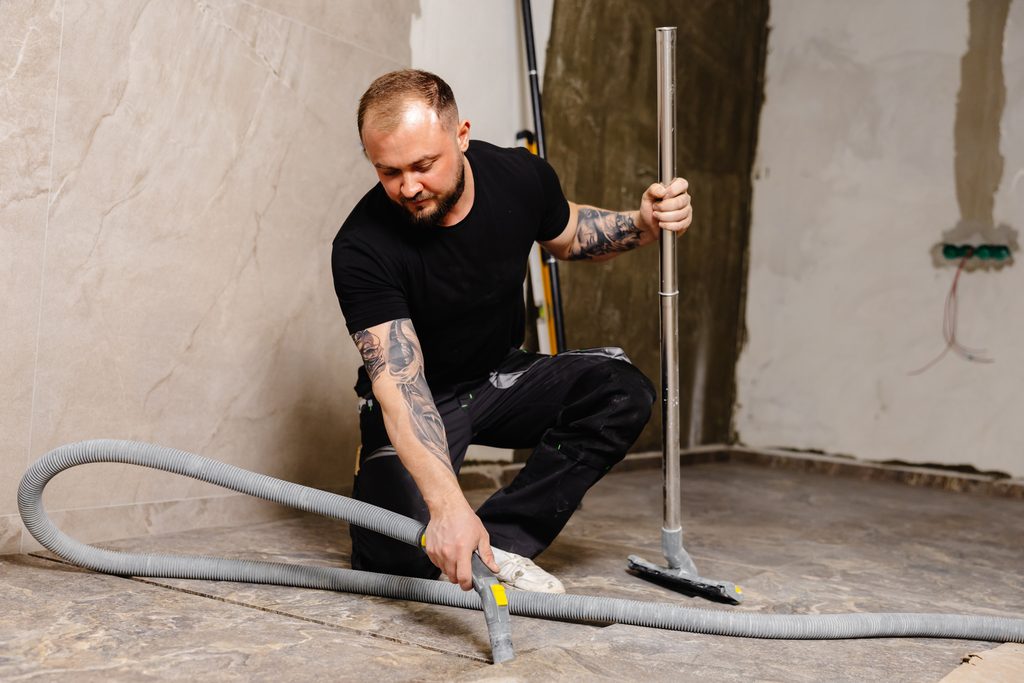
Most people picture water damage work as pumping water out of a room. Extraction is the visible part and it is over quickly, often within the first few hours. It is also the smaller half of the job.
A building absorbs. Gypsum, timber framing, subfloor panels, insulation and concrete all take water in and hold it, and a floor that has been squeezed clean can still contain hundreds of pounds of water spread through materials nobody can see.
Structural drying is the process of getting that water back out under controlled conditions, and it is the stage that determines whether the property is genuinely restored or merely tidied up. It is also the stage that sets the best water damage restoration in Orlando, FL apart from a quick surface cleanup, which is worth keeping in mind when you choose who handles your property.
What Structural Drying Actually Means
Drying a structure is a matter of moving water from inside materials into the air, then removing that air’s moisture before it can be reabsorbed:
- Air movers create fast, directed airflow across wet surfaces, which lifts moisture out of the material.
- Dehumidifiers then pull that moisture out of the air and dump it as condensate.
Both halves have to run together, because airflow without dehumidification simply relocates the water to another cold surface in the building.
Temperature is the third control. Warmer air holds more moisture and warmer materials release it more readily, so a drying chamber is held in a range that keeps the process moving without pushing wood or finishes faster than they can handle.
Central Florida humidity works against all of this, which is why an open window is not a drying strategy here, on a house or on a commercial restoration job.
Dry to the Touch Against Dry to a Standard
A surface stops feeling wet long before the material behind it stops being wet. Drywall paper dries in hours while the gypsum core holds moisture for days.
Subfloor panels feel fine on top while the underside sits against a wet joist. Touch tells you nothing useful past the first day, which is why the steps to dry water damage home interiors properly all end in a meter reading rather than a hand on the wall.
A dry standard is a number, taken from unaffected material of the same type elsewhere in the same building. Our technicians establish that baseline at the start of the job, then measure the affected materials against it every day.
The property is dry when the readings match, not when the calendar says three days have passed and not when the room feels comfortable.
What Happens in a Building that was Never Properly Dried
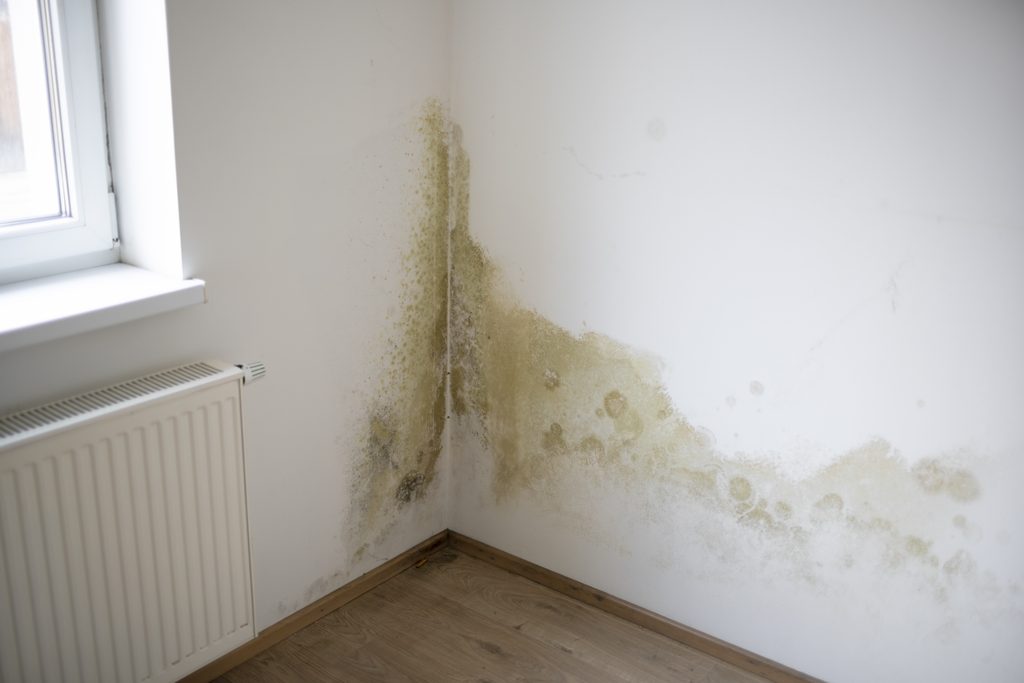
Mold is the consequence people know about, and it is a real one. Growth can begin within 24 to 48 hours on damp cellulose material, and wall cavities offer darkness, still air and a food source.
Detecting moisture behind walls before that point is what keeps a drying job from becoming a remediation job, since remediation involves containment, negative air pressure and removing material that was salvageable when it was merely wet.
The structural consequences are slower and easier to miss. Timber that holds moisture at depth loses stiffness and begins to check and split. Subfloor panels swell at the edges and telegraph ridges through whatever flooring goes over them.
Fasteners corrode, adhesives release, and paint applied over damp drywall blisters within months, leaving the homeowner repairing the repair after the claim has closed.
| Equipment | Job on site | What it changes |
|---|---|---|
| Truck mounted extractor | Removes bulk standing water | Cuts total drying time sharply |
| Air movers | Drive airflow across wet surfaces | Pulls moisture out of materials |
| Refrigerant dehumidifiers | Condense moisture out of the air | Prevents reabsorption elsewhere |
| Desiccant dehumidifiers | Reach lower humidity in tough conditions | Handles dense and slow drying material |
| Injectidry and floor systems | Direct airflow into cavities and under flooring | Dries where surfaces cannot be opened |
| Moisture meters and hygrometers | Measure material and air conditions | Decides when drying stops |
If your property has been extracted but not monitored, it is worth having readings taken before any repair work begins. A moisture map costs very little compared with rebuilding the same wall twice.
Floor feels dry but the baseboards still smell damp after a leak in your Orlando home? Give us a call at (407) 278-7715, and we will measure the materials against a dry standard rather than guessing.
How the Equipment is Sized and Placed
Equipment counts come from the affected area, not from guesswork. Cubic footage of the wet space, the class of the loss and the number and type of wet surfaces determine how many air movers a room needs and what capacity of dehumidification has to run alongside them:
- Too little equipment leaves material wet under a finished looking surface.
- Too much runs up cost and can overdry timber and finishes.
Placement matters as much as quantity. Air movers are angled to push air along surfaces rather than at them, so the airflow sweeps the whole plane instead of stalling in one spot.
Wall cavities that cannot be opened are dried with directed systems that force air behind the finish. Hardwood gets mats that pull moisture up through the boards. Our technicians set the chamber, seal what needs sealing, and adjust the layout as readings change through the job.
Materials That Hold Moisture Longest in a Florida Loss
- Bottom plates and framing where water pooled against the slab
- Subfloor panels under vinyl plank and other non permeable flooring
- Insulation inside exterior wall cavities
- Concrete slab in a ground floor property
- Cabinet toe kicks and the enclosed voids behind them
- Drywall that has wicked upward well above the visible water line
Monitoring, Readings and Knowing When to Stop
A drying job is not set and forget. Our technicians return daily to take fresh readings from the same points, log them, and adjust equipment based on what the numbers show.
Progress that stalls usually means a hidden pocket of water or a cavity that airflow is not reaching, and finding that is the whole point of monitoring rather than waiting. The log also matters for the claim.
Carriers want to see documented readings that justify the equipment on site and the days it ran, and that record protects the property owner as much as it protects the contractor.
United Water Restoration Group of Orlando handles the drying, the monitoring, any mold remediation and the rebuild that follows with the same crew, so the readings that closed out the drying stage are the same ones that authorise repairs to begin. On a typical residential loss, structural drying runs three to five days.