


Yes, and in a lot of cases it happens faster than most homeowners expect. Once water gets into drywall, carpet padding, or the wood framing behind a wall, the clock starts running. Mold is rarely a separate problem from a water event. It is usually the second half of the same story.
Working on homes throughout Daytona Beach, Ormond Beach, and the surrounding area, our leading water damage restoration services in Daytona Beach, FL, treat mold and water damage as connected because they almost always are.
Why Water Damage and Mold Are So Closely Connected
Mold spores are already present in nearly every home and business, floating in the air at levels too low to notice. What changes after a leak, a burst pipe, or storm intrusion is the environment those spores are sitting in. Add moisture, a food source like drywall paper or wood, and a warm indoor temperature, and conditions shift in mold's favor almost immediately.
This is part of why water damage restoration in Daytona Beach treats mold prevention as part of the same job rather than two separate services. A property dried out properly the first time rarely needs a mold call two weeks later. A property that only gets a surface cleanup, without real moisture removal behind walls and under flooring, often does.
How Fast Mold Can Start Growing After Water Damage
Under the right conditions, mold can begin forming within twenty-four to forty-eight hours of a water event. In Florida's heat and humidity, that window can move even faster than it would in a drier climate, which is one reason quick response matters more here than in a lot of other parts of the country.
That short timeline is why calling as soon as it is safe to do so, rather than waiting to see how things look in a day or two, makes such a difference. Waiting even a single extra day can be the gap between a straightforward drying job and a much larger remediation project once mold has had time to establish itself in hidden areas.
The timeline below shows how quickly conditions shift after a water event, and what that means for the response needed.
| Time Since Water Event | What Is Happening | What It Means |
|---|---|---|
| 0 to 24 hours | Materials are still saturated; mold spores have not activated | Extraction and drying can usually prevent mold entirely |
| 24 to 48 hours | Conditions become favorable for mold to begin forming | This is the window where a fast response matters most |
| 3 to 7 days | Visible growth and musty odor often appear | Remediation, not just drying, is typically needed |
| 1 week or more | Mold can spread into additional materials and areas | Containment and more extensive remediation become necessary |
Warning Signs That Mold May Already Be Developing
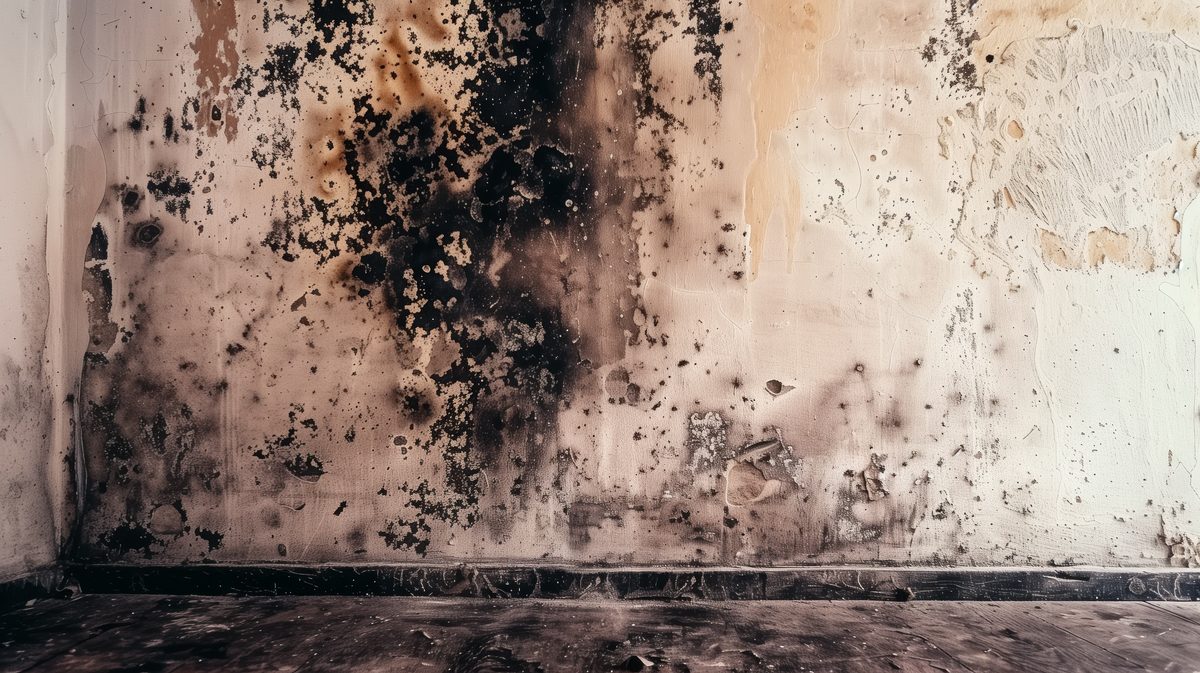
A musty smell that was not there before is often the first clue, even if nothing looks different yet. That odor usually means mold is growing somewhere out of sight, such as behind baseboards, under carpet, or inside a wall cavity that took on moisture during a prior leak. Visible signs tend to show up a bit later, and any of the following are worth a closer look.
- Musty or mildew odor that was not there before
- Dark spots or discoloration on drywall or along baseboards
- A fuzzy texture on wood, fabric, or other porous surfaces
- Allergy like symptoms that seem tied to being inside the house
- A wall or floor that stays damp days after a leak was dried
Noticing a musty smell or a dark spot along a baseboard that was not there before? Call us at (386) 888-8048, and we will send a certified technician out to check it before it turns into a larger mold problem.
Steps We Take to Stop Mold Before It Starts
Our process after any water damage call begins with a free on-site assessment so we can see how far the moisture has traveled, not just what is visible on the surface. From there, moisture detection equipment checks walls, floors, and other materials that look dry but are not, since hidden moisture is usually where mold problems start.
Once we map the extent of the water, extraction and structural drying begin right away using air movers and dehumidifiers suited to the space's size and layout. Our technicians are IICRC and IRI certified, so the drying process follows an industry-recognized standard rather than guesswork, and the job isn't finished until moisture levels return to normal throughout the affected area.
What Happens If Mold Has Already Taken Hold
If mold has already developed by the time a technician arrives, the approach shifts from prevention to containment and removal. We inspect affected materials, contain the growth to keep it from spreading to unaffected areas, and remove the mold along with any materials that cannot be safely restored.
This is also where working with one team from start to finish makes a real difference. Rather than bringing in a separate mold specialist after another company handled the original water damage, our team can move from drying straight into remediation and, if needed, reconstruction, without losing time or information between vendors.
Frequently Asked Questions
Is it normal for mold to show up even after a small leak?
Yes. Mold does not require a major flood to develop. A slow leak under a sink or behind a washing machine can create the same damp conditions mold needs, just over a longer period of time.
Can I just dry the area myself with fans to avoid mold?
Household fans can help with surface moisture but usually cannot remove moisture trapped inside walls, subflooring, or insulation. That hidden moisture is often exactly where mold starts, which is why professional structural drying matters.
Does homeowners insurance cover mold caused by water damage?
Coverage depends on the cause of the water intrusion and the specific policy, so this varies from one situation to another. Sudden events like a burst pipe are typically viewed differently than damage from a longstanding, unaddressed leak.
How quickly can a technician come out after I call?
We offer twenty-four-hour emergency response, including nights, weekends, and holidays, since water damage and the mold risk that follows it do not wait for business hours.
Will you work with my insurance company on a water damage or mold claim?
Yes. We work directly with insurance carriers, including State Farm, Allstate, USAA, Farmers, Liberty Mutual, Nationwide, Progressive, Travelers, American Family, and The Hartford, and bill them directly on the homeowner's behalf.
Ready to Get Help Right Now
Water damage rarely happens at a convenient time, and sorting through the next steps alone only adds to an already stressful day. Our technicians answer the phone around the clock and can be on the way to your property soon after you call.
If water damage or mold has shown up in a home or business anywhere from Daytona Beach to Ormond Beach, Palm Coast, or the surrounding area, call United Water Restoration Group of Daytona Beach at (386) 888-8048 for 24/7 emergency response and a free on-site assessment. Contact us today and let our team take the stress off your hands.