


Water damage stops being a building problem the moment it starts affecting the air people breathe inside the structure. Between microbial growth, contaminated water, and degraded indoor air, a loss that looked like a flooring issue can turn into a household health concern within days. Our team handles water mitigation services in Jacksonville with that risk treated as part of the job rather than an afterthought, because our climate accelerates every part of it.
Why Water Damage Turns Into a Health Issue
Buildings are full of organic material. Drywall paper, wood framing, insulation backing, carpet fibers, and the dust that settles into all of them become food sources once they are wet. Add Jacksonville humidity holding the moisture in place, and you have the conditions microbial growth needs, inside assemblies where nobody can see it happening.
The exposure route is air. Spores, bacteria, and the compounds produced by microbial activity move into the living space through gaps around outlets, baseboards, and ceiling penetrations, and an HVAC system running during all this distributes them through the rest of the property. People often notice symptoms before they notice damage, which is why a musty smell in a room with no visible water deserves attention rather than air freshener. That odor is a byproduct of active microbial growth, so masking it removes the signal while the cause keeps working behind the surface.
Mold Growth and the First 24 to 48 Hours
Mold can begin growing within 24 to 48 hours of a water event in our climate, which is a short enough window that response time changes the health outcome. Materials dried inside that window usually come through without microbial growth. Materials still wet on day three frequently do not, and at that point the job shifts from drying to removal and remediation.
Reactions vary between people. Some notice nothing, while others get respiratory irritation, congestion, coughing, eye irritation, or aggravated allergy symptoms, and those with asthma or compromised immune systems tend to react more strongly. Any persistent symptom pattern that improves when someone leaves the property and returns when they come back is worth raising with a physician. The connection between a wet structure and what grows in it is covered further in how water damage leads to mold growth.
Musty odor or symptoms that clear up when you leave the house? Our certified crews assess Jacksonville properties 24/7 at no cost.
Contaminated Water and What It Carries
The source of the water decides the risk level before anyone opens a wall. Clean supply line water carries little hazard on day one, degrades as it sits against building materials, and becomes a different problem entirely by the time it has been standing through a weekend. Warm indoor temperatures speed that shift, which is part of why a loss found on a Friday is treated differently from one found the same morning it happened.
What raises the contamination risk on a Jacksonville loss.
- Sewage backups from a blocked or failed lateral line
- Exterior floodwater carrying street runoff, soil bacteria, and debris
- Appliance discharge from washing machines and dishwashers
- Clean water that has been standing more than two days
- Water that has passed through insulation, subfloor, or pet areas
- Any loss where porous materials stayed saturated through warm weather
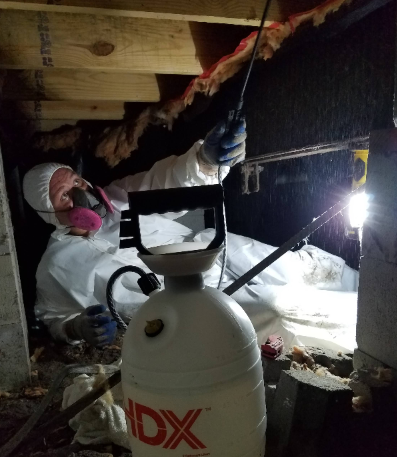
Contaminated categories get handled with containment, protective equipment, and controlled removal of porous materials rather than cleaning and drying in place. That protocol exists specifically to keep what is in the water from becoming airborne during the work.
Indoor Air Quality After the Water Is Gone
Extraction does not reset the air. A property can have every drop of standing water removed and still hold humidity above normal, microbial growth inside assemblies, and the odor compounds that come with both. Readings taken at the surface will look fine while the environment is still wrong.
Controlled drying addresses this by lowering the moisture in the air and in the materials, with commercial dehumidification holding conditions until the structure comes back to a dry standard. HVAC systems that ran during a loss deserve a look too, since ductwork can pick up and redistribute what it circulated. More on what happens to the breathing environment after a loss sits in and affects indoor air quality.
Who Is Most Affected and How We Reduce Exposure
Not everyone in a property experiences the same risk from the same loss. Sensitivity varies with age, existing respiratory conditions, and how much time someone spends in the affected area, which shapes how our crews sequence containment on an occupied job.
| Group | Why risk is higher | What we do about it |
| Young children | Higher breathing rate, time spent at floor level | Contain work areas, prioritize flooring assemblies |
| Older adults | Reduced respiratory reserve | Negative air control, minimize occupied disruption |
| Asthma and allergy sufferers | Reactive airways | Early containment, HEPA filtration during work |
| Immunocompromised occupants | Lower tolerance for microbial exposure | Full containment, staged material removal |
When growth is already established, remediation follows its own protocol rather than being folded into the drying work. Containment goes up first, air is filtered and controlled inside the work area, porous material comes out in stages, and the moisture source gets corrected so the same growth does not return a season later. Our IICRC and IRI certified technicians carry both halves of that job, and we bill insurance carriers directly through mold remediation the same way we do on a drying job.
Water damage in a Jacksonville property affects more than the building. Call (904) 312-7990 for 24/7 emergency response and a free assessment from a family-owned, locally operated team.
Related Topics: