


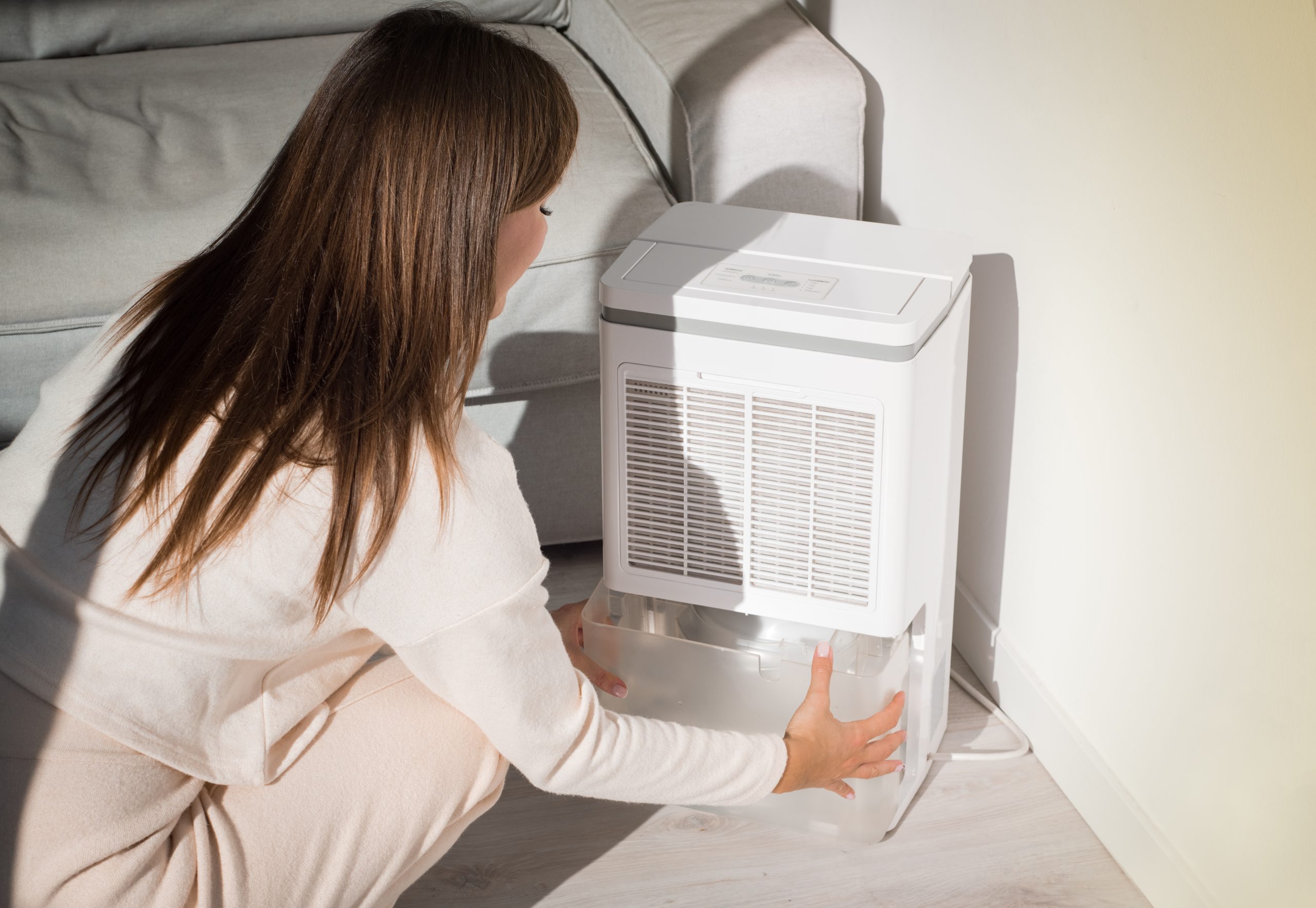
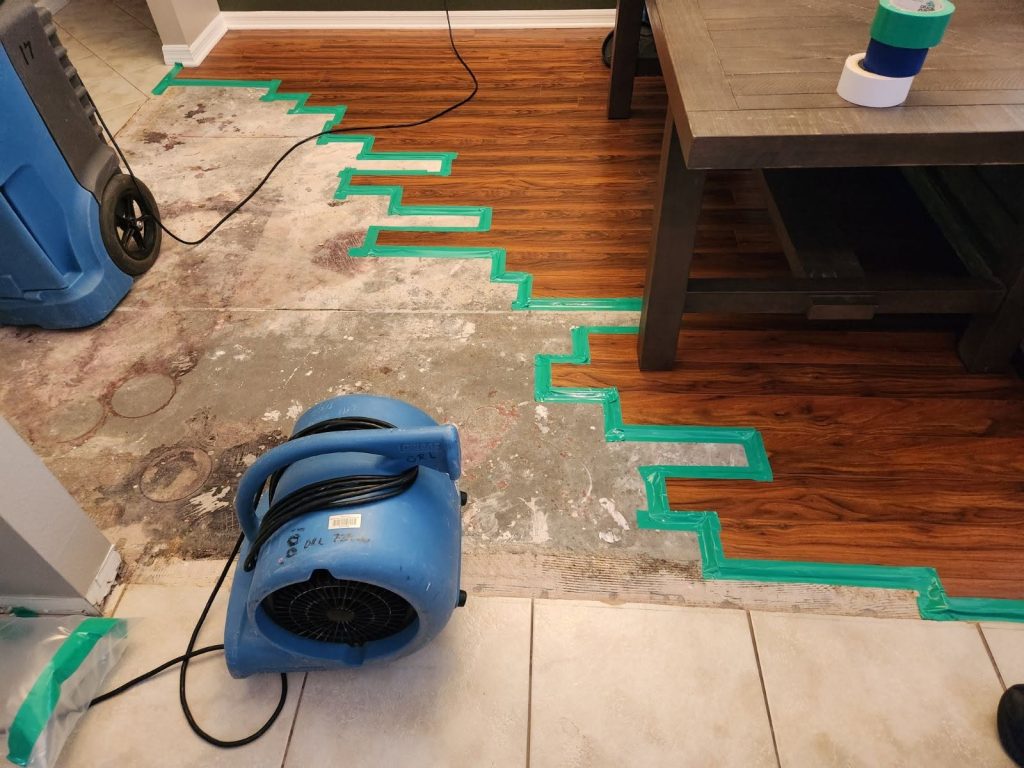
Anyone who has dealt with water damage in Lakeland has likely seen the equipment left running in a home for days afterward. Loud fans aimed at the walls, boxy machines humming away in a corner, cords stretching across the floor. It can look strange if you have never experienced it before, but each piece of that setup is doing a specific job.
That is exactly what advanced water damage restoration services rely on, with air movers and dehumidifiers acting as the backbone of structural drying. Once you see how they work together, it becomes much clearer why professional drying follows the process it does.
What an Air Mover Actually Does
An air mover is not just a fan aimed at wet flooring. These units are designed to push a high volume of air across wet surfaces at an angle that speeds up evaporation. Instead of simply blowing air into a room, a properly placed air mover creates a current that pulls moisture out of carpet, drywall, and other materials and moves it into the air where it can be captured and removed.
Placement matters more than most people expect. Our technicians position air movers based on where the water traveled, not just where it is visibly pooling. A wall that looks dry on the surface may still be holding moisture a few inches up from the baseboard, and the right air mover setup accounts for that instead of just addressing the obvious wet spot in the middle of the room.
Why Dehumidifiers Matter Just as Much as Air Movers
Air movers pull moisture out of materials and into the surrounding air, but that moisture has to go somewhere. This is where dehumidifiers come in. A dehumidifier pulls the humidity that air movers have released back out of the room, lowering the moisture level in the space rather than just moving it around.
Without a dehumidifier running alongside air movers, a drying job can actually work against itself. Moisture that gets pulled out of the carpet or the walls has nowhere to go, which means it can settle right back into nearby materials or simply raise the humidity in the room to a point where mold remediation becomes more likely to be needed rather than less likely.
Running both pieces of equipment together is what makes the process effective rather than just noisy.
How We Decide Which Equipment a Property Needs
No two water damage restoration jobs in Lakeland look quite the same, and the equipment we bring in reflects that. A small leak in one bedroom needs a very different setup than a flooded first floor. Our technicians check moisture levels throughout the property with moisture meters before deciding how many air movers and dehumidifiers the space actually calls for.
The materials involved matter just as much. Drywall, hardwood, tile, and carpet each hold and release moisture at their own pace, which changes how long drying takes and how the equipment gets arranged. A home with a mix of these materials usually needs a more tailored setup than a single room with one type of flooring, so we adjust the equipment placement as drying moves along instead of leaving everything in a fixed setup for the whole job.
What Happens if Drying Equipment Is Removed Too Early
One of the more common mistakes we see is equipment being removed as soon as a space looks and feels dry on the surface. Materials like drywall and subflooring can hold onto moisture well after the surface feels fine to the touch, which means stopping the drying process too early can leave hidden moisture behind walls or under flooring.
This hidden moisture is exactly the kind of condition that leads to mold growth weeks after a water damage event, sometimes long after the visible signs of the original problem are gone. That is why our team continues monitoring moisture levels with meters throughout the drying process rather than relying on how a room looks or feels.
Equipment stays in place until the readings confirm that the structure has actually reached a safe, dry level, not just until it appears that way.
Why Professional Equipment Makes a Real Difference
Consumer fans and small dehumidifiers from a hardware store are built for everyday comfort, not for pulling moisture out of saturated building materials. The air movers and dehumidifiers used in professional restoration work move a much higher volume of air and moisture than typical household equipment, which is a big part of why professional drying tends to work faster and more thoroughly than a do it yourself approach.
There is also a coordination element that matters. Running the right number of air movers alongside the right capacity of dehumidifiers, in the right locations, is a balance that takes experience to get right. Too few air movers and drying takes far longer than it should. Too many without enough dehumidification and the moisture just gets pushed around the room instead of actually being removed.
Getting that balance right is part of what separates a properly dried property from one that only looks dry on the surface.
What Lakeland Property Owners Can Expect During the Drying Process
Drying a water damaged property is rarely a same day process. Depending on how much water was involved and which materials were affected, equipment often needs to run for several days before a space reaches a safe moisture level. Our team checks in throughout that period to monitor progress with moisture meters rather than guessing based on time alone.
Property owners can expect some noise and some inconvenience during this stretch, since the equipment does need to keep running to be effective. We try to explain what each piece of equipment is doing and roughly how long the process is expected to take, so a Lakeland homeowner or business owner going through this for the first time understands why the fans and dehumidifiers need to stay in place until the job is actually finished.
Related Topics: