



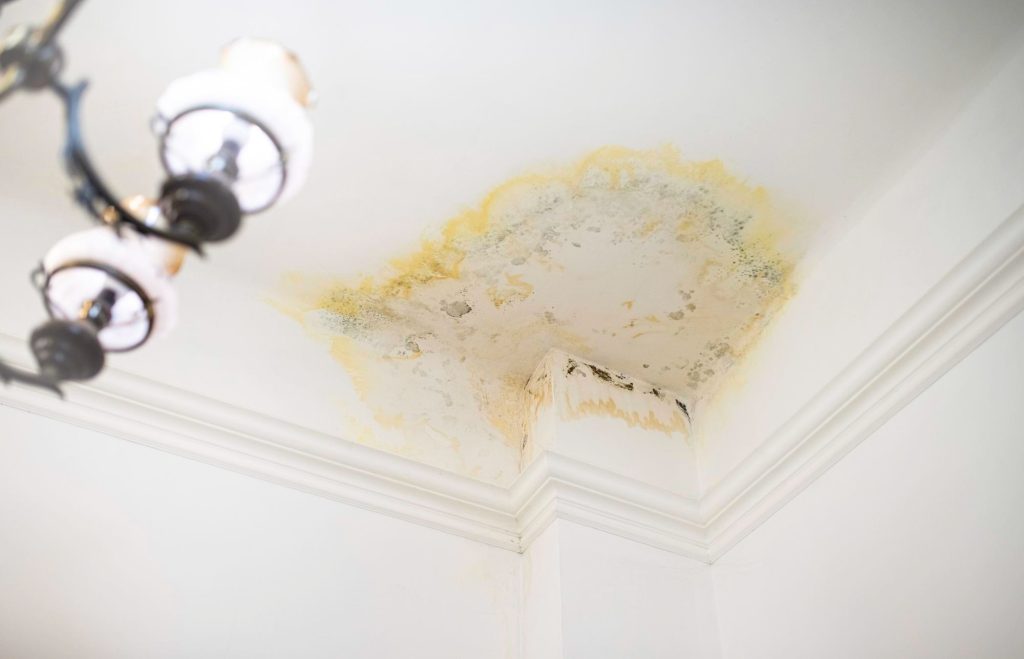
An attic is where water lands early and where it shows last. Rain that gets past flashing or a soffit vent soaks the insulation and sits on the ceiling board below. It gives no sign at all until a stain appears weeks later, and by then the decking has been damp the whole time.
Our technicians check attics on storm calls as standard, using thermal imaging and meters rather than just a glance from the hatch. Property owners across Polk County reach us for dedicated water damage restoration services in Lakeland, Florida at any hour. Honestly, the attic is usually where the answer is hiding.
Why Attic Leaks Stay Invisible So Long
Everything about an attic delays the warning. Insulation absorbs the water and holds it rather than letting it run, so there’s no drip to hear and no puddle to find, which is kind of the whole problem. The ceiling board underneath is painted on the room side, which slows the stain from showing through.
The space itself is dark, so you just don’t notice anything in passing. Honestly, that’s a big part of how tropical storms cause water damage, since a leak can run through several of them before anyone downstairs looks up.
Heat compounds it. A Lakeland attic sits far hotter than the rooms below for most of the year, which drives moisture out of wet material as vapor. That vapor condenses on the underside of the decking and on any metal it reaches.
Dampness then spreads well beyond where the water actually entered, so the visible stain often appears several feet from the real source. Chasing the stain instead of the source is exactly how leaks get patched twice.
What Gets Damaged Before You See Anything
Roof decking takes the earliest and longest exposure. Plywood or OSB that stays damp loses stiffness, delaminates at the edges, and eventually stops holding fasteners. That’s a structural problem, not just a cosmetic one. Rafters and truss members touching wet decking stay damp alongside it. Metal connector plates corrode in exactly those conditions.
Insulation goes next, and it goes quietly. Batts compress under the water they hold, and loose fill mats down into the ceiling joists. Both outcomes end the material’s usefulness without changing how the ceiling looks from below.
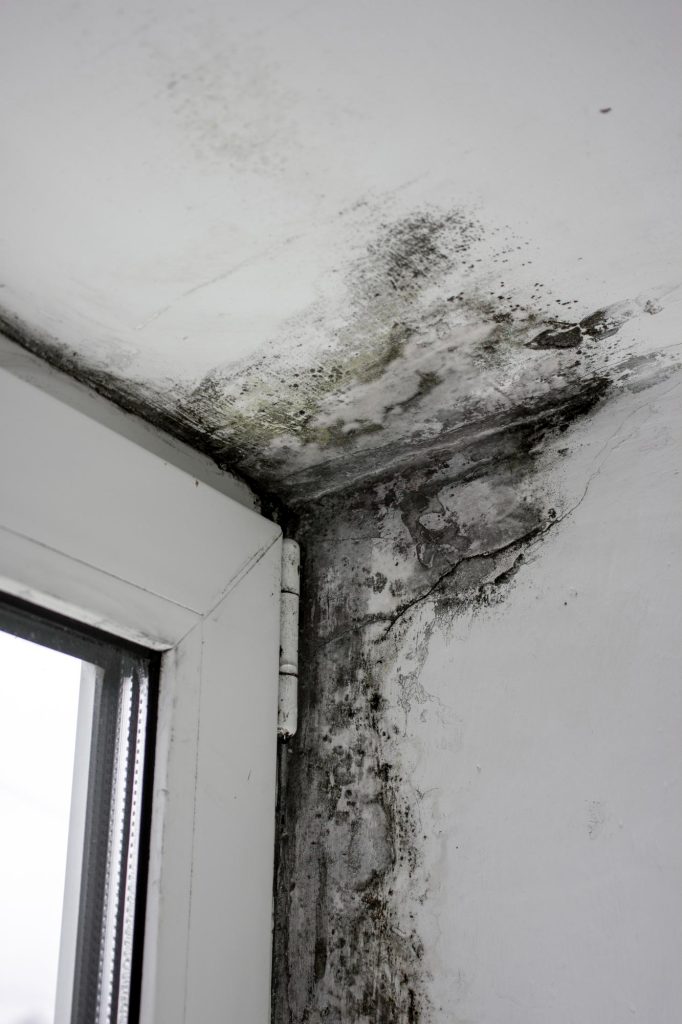
Growth follows wherever the paper facing stays damp. Water that got into the attic rarely stays there, so the areas to inspect after storm water damage run well past the attic hatch.
When a Lakeland Attic Is Worth Checking
You don’t need to inspect monthly, but a few events justify putting a light up there within the week.
- After any storm that brought wind. Wind-driven rain reaches past flashing and vents that handle vertical rain without trouble.
- After roof work of any kind. New penetrations and reseated flashing are where leaks start.
- When a cooling bill jumps without explanation. Matted or displaced insulation is a common cause.
- When one room smells musty, and the others do not. Odor rises through the ceiling from the material above it, which is often where mold remediation crews end up looking.
- Before hurricane season opens. Finding a weak seal in May beats finding it in September.
Not comfortable going up there yourself? Give us a call at (863) 333-9865, and our Lakeland technicians will check the attic with thermal imaging at no cost.
What to Look for Once You Are Up There
Work with a strong light and start with the decking. Scan for dark staining and for streaking that runs downward from a nail or a vent. Any patch where the wood grain looks a bit raised matters too.
Daylight showing through anywhere other than a vent means an opening, and an opening means water. Check around every penetration, since plumbing stacks, exhaust vents, and the chimney chase are where most roofs actually leak.
Then look down at the insulation. Matted patches, discolored areas, spots sitting lower than the rest, and any crusted surface all point to water that arrived and left. Press gently with a gloved hand and see whether it springs back.
Follow with the ceiling below from inside the room. Check for hairline cracks, maybe a faint ring that grows after rain, and nail heads showing through the paint.
Why Attic Moisture Turns Into a Mold Problem Quickly
Warmth, darkness, organic material, and moisture describe ideal growth conditions. A damp Florida attic supplies all four at once. Paper facing on batts, the paper layer on ceiling board, and the wood decking itself all give spores something to feed on.
Growth can begin within twenty-four to forty-eight hours of material staying wet, which is faster than most people think. Nothing about an attic encourages it to dry on its own.
The air handler, where it sits in the attic, turns a contained problem into a distributed one. Ductwork running through contaminated air picks up spores and odor, then delivers both to every room.
Our crews contain the affected area before removal starts and run filtration throughout the work. We check the system rather than treating the attic in isolation. Cleaning the visible patch while the ducts stay contaminated leaves a property that still smells wrong.
What Happens After a Leak Is Confirmed
The roof gets addressed before anything else, because drying a space that is still taking on water accomplishes nothing. Once the opening is sealed, saturated insulation comes out across the affected run.
The decking and framing are then dried with equipment sized for the space, and readings get logged until the structure holds a dry standard. New insulation goes back in afterward, at the correct depth rather than whatever depth is left.
Where decking has lost integrity, sections are cut out and replaced rather than dried and hoped for. Ceiling board that absorbed water and sagged comes down on the same principle, since a dried stain is still a weakened board.
None of this is a long project when the leak is caught early. Tropical weather drives a large share of them, so crews tend to get busy right after a storm passes.
A short look in the attic now costs nothing and saves the ceiling. If you’d like another set of eyes on yours, contact us or call (863) 333-9865, and our certified technicians will take a look anywhere in Lakeland and the wider Polk County area, or you can stop by our office at 3928 Anchuca Dr. #6, Lakeland, FL 33811.
Related Topics: