


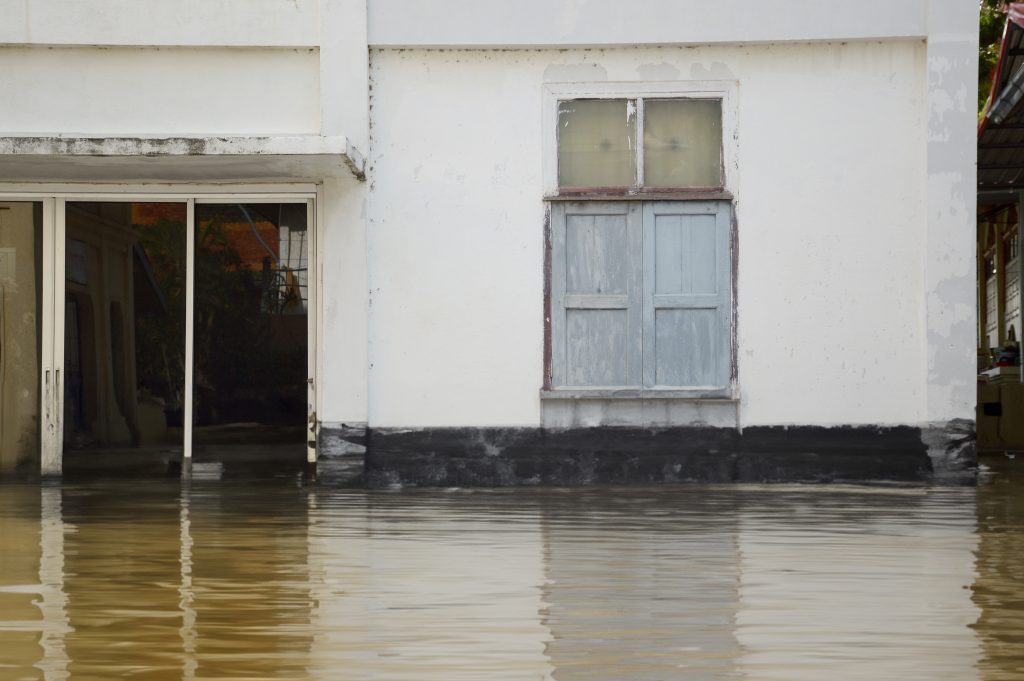
Water that came in during an afternoon storm rarely stays where it landed. It soaks into insulation and drywall, tracks sideways through framing, and spreads into places nobody thinks to look until a smell or a stain gives it away.
The homes that come through a wet season cleanly are the ones somebody inspected while the damage was still small. Booking reliable water damage repair in Tampa, FL at that early stage keeps a minor leak from turning into a full rebuild.
Nearly two thirds of the rain Tampa Bay receives each year falls between June and September, and it does not arrive gently. A single cell can drop several inches in under an hour, with wind driving it sideways into siding, window frames, and rooflines built to shed water falling straight down.
Why Rain Gets Into Homes That Look Sealed
Roof flashing, attic vents, and aging window seals are the usual entry points, and none of them announce themselves. A roof that sheds rain without trouble in May can let water through by August, after three months of soaking, drying, and soaking again. The ground matters as much as the roof.
Once the soil around a property is saturated, rain that would normally drain away pools against the slab edge instead. Housing across the Hillsborough County core runs heavily to concrete block on slab, so water reaching the slab travels sideways through the subfloor and up into the base of the wall.
By the time a baseboard feels soft, moisture has usually been sitting in that wall cavity for days, and water damage restoration at that point means opening the wall rather than drying it in place.
The Signs Worth Checking After a Storm
Standing water in a garage or a spreading ceiling stain is hard to miss. The quieter signs are the ones that turn a contained problem into a reconstruction job. Every water damage restoration guide starts in the same place, with a walk through the property within a day or two of the rain stopping. Look for:
- A musty smell that does not clear. A slightly damp smell right after rain is normal. One that lingers past a day or two means moisture is trapped somewhere it cannot dry.
- Paint bubbling or peeling along a wall. Moisture behind the surface pushes the finish away from the substrate before any stain appears.
- Flooring that cups, lifts, or feels soft underfoot. Wood and laminate absorb water from below and change shape well before the surface looks wet.
- Baseboards separating from the drywall. A gap that was not there last month points to water in the wall base.
- A ceiling stain that keeps growing. A stain that expands between one look and the next means water is still finding its way in.
Check again three or four days later. Rain damage often declares itself on the second pass rather than the one right after the storm.
Smell something musty or feel the floor going soft after one of Tampa’s afternoon downpours? Give us a call at (813) 696-0500 and we’ll find where the water went before it turns into mold or a subfloor replacement.
What Happens If Water Damage Is Left Untreated
Water damage rarely stays the same size. Materials like drywall and wood flooring absorb moisture and hold onto it, which means a small leak today can turn into a much larger repair project within a couple of weeks if nothing is done.
Damp conditions also create an environment where mold can start to grow, and once that begins, cleanup involves more than just drying things out. Most families can stay home during water damage work when it is caught early, which is one more reason not to wait.
Beyond mold, sitting water weakens the structural materials it touches. Wood can warp or soften, drywall can lose its integrity, and in more serious cases, subflooring can be compromised enough that it needs to be replaced rather than repaired.
The cost and disruption of fixing water damage generally grows the longer it sits, which is part of why acting quickly after a storm matters as much as noticing the damage in the first place.
How Our Crews Handle Rain Damage
Every storm call starts with moisture mapping, because the damage on the surface is almost never the whole picture.
We trace how far the water travelled behind walls and under flooring, then identify what type of water we are dealing with, since rain that ran across a roof is a different job from stormwater carrying street runoff.
From there:
- Truck mounted units pull out bulk water.
- Air movers and commercial dehumidifiers dry the structure at depth.
- IICRC certified technicians log moisture readings daily until materials read dry against a documented standard rather than against how a room feels.
- Surfaces that held water get treated so mold does not take hold mid dry.
- Rebuilding happens under Certified Building Contractor License CBC1261128, so you are not hiring a second contractor after the drying ends.
Where Insurance Usually Lands
Coverage generally turns on how the water got in:
- Sudden accidental water from an internal source, such as a burst supply line or a failed water heater, is typically covered under a standard homeowners policy.
- Rising water and storm surge are not, and fall under a separate flood policy instead.
- Rain entering through a roof or window sits between those two, and how your carrier treats it depends on your specific policy language and what caused the opening.
Document before you clean up. Photographs of the standing water, the wet materials, and the visible damage, taken as soon as it is safe to move through the property, carry more weight with an adjuster than anything reconstructed from memory afterward.
One detail catches Tampa homeowners out. Florida law sets a hard deadline for reporting a property insurance claim, it runs from the date of the weather event rather than the date you noticed the damage, and the legislature has revised that window more than once in recent sessions.
Confirm the current deadline with your carrier or agent before you assume you have time. On our end, we bill major carriers directly and supply the photographs, moisture logs, and written scope in the format adjusters expect.
Frequently Asked Questions
Does a small leak through a window count as water damage?
Yes. A small amount of water entering around a window or door still soaks into the frame, the drywall behind it, and the flooring below. In Tampa Bay humidity those materials do not dry on their own, so a leak that looks minor in August can be a wall repair by October if nothing is done about it.
How soon after a storm should I check for water damage?
As soon as it is safe to move through the property, then again three or four days later. Checking within the opening day or two gives you the best chance of catching water while it is still contained. The second walk through catches the damage that only becomes visible once moisture has worked its way outward.
Can water damage happen even if my roof looks fine?
Yes. Roof problems are rarely visible from the ground. Water enters through small gaps around flashing, vents, and aging shingles that only show up on a closer inspection. Plenty of the rain calls we take involve a roof the homeowner had no reason to suspect until a ceiling started staining.
Is it normal for a home to smell different after a storm?
A faintly damp smell right after heavy rain is common and clears within a day. A musty or stale smell that lingers longer than that usually means moisture is trapped in insulation, drywall, or subfloor with no path to dry out. That smell is often the earliest signal you get.
What if the rain water mixed with runoff from the street?
Treat it as contaminated. Stormwater that has crossed ground or pavement carries bacteria and debris, which changes the job entirely. Porous material that absorbed it usually has to come out rather than dry in place, and the space needs decontamination before anything is rebuilt. Keep people and pets off it until it has been assessed.
If you are dealing with water damage after a recent storm in the Tampa area, our team is available 24 hours a day, 7 days a week to help you figure out what is going on and what needs to happen next. You can reach us at (813) 696-0500, to talk through your situation and get an assessment scheduled.