


Licensed Storm Damage Restoration in Tampa, FL
Wind, rain, and storm surge can open a roof, flood a ground floor, and soak walls and insulation in a single night. United Water Restoration Group of Tampa handles storm damage repair in Tampa, FL around the clock from our base on West Waters Avenue. We tarp and board the openings, extract the water, dry the structure, and rebuild under our state building contractor license.
What to Do in the First Hour After Storm Damage
The first hour after a storm hits decides how much of the house can be saved and how strong the insurance claim will be. Work through these steps before anyone tears out wet material or starts restoration.
- Stay clear of live hazards. Treat downed power lines and any water near outlets or electrical panels as live, and call your utility before anyone walks through flooding inside. If you smell gas, leave the house and call the gas company from outside.
- Photograph everything before you move it. Take wide shots of each room, close shots of the damage and the water line on the walls, then photograph soaked furniture and materials before they go to the curb.
- Report the claim. Call your carrier immediately with the date of loss once it is safe, even before repairs begin.
- Keep damaged materials or clear photos of them. Adjusters may want to see pieces of flooring, drywall, or roofing, so hold samples until the inspection.
- Stop more damage right away. Tarping, boarding up, and water removal can start before the adjuster arrives, and most policies expect you to take reasonable steps to prevent further loss.
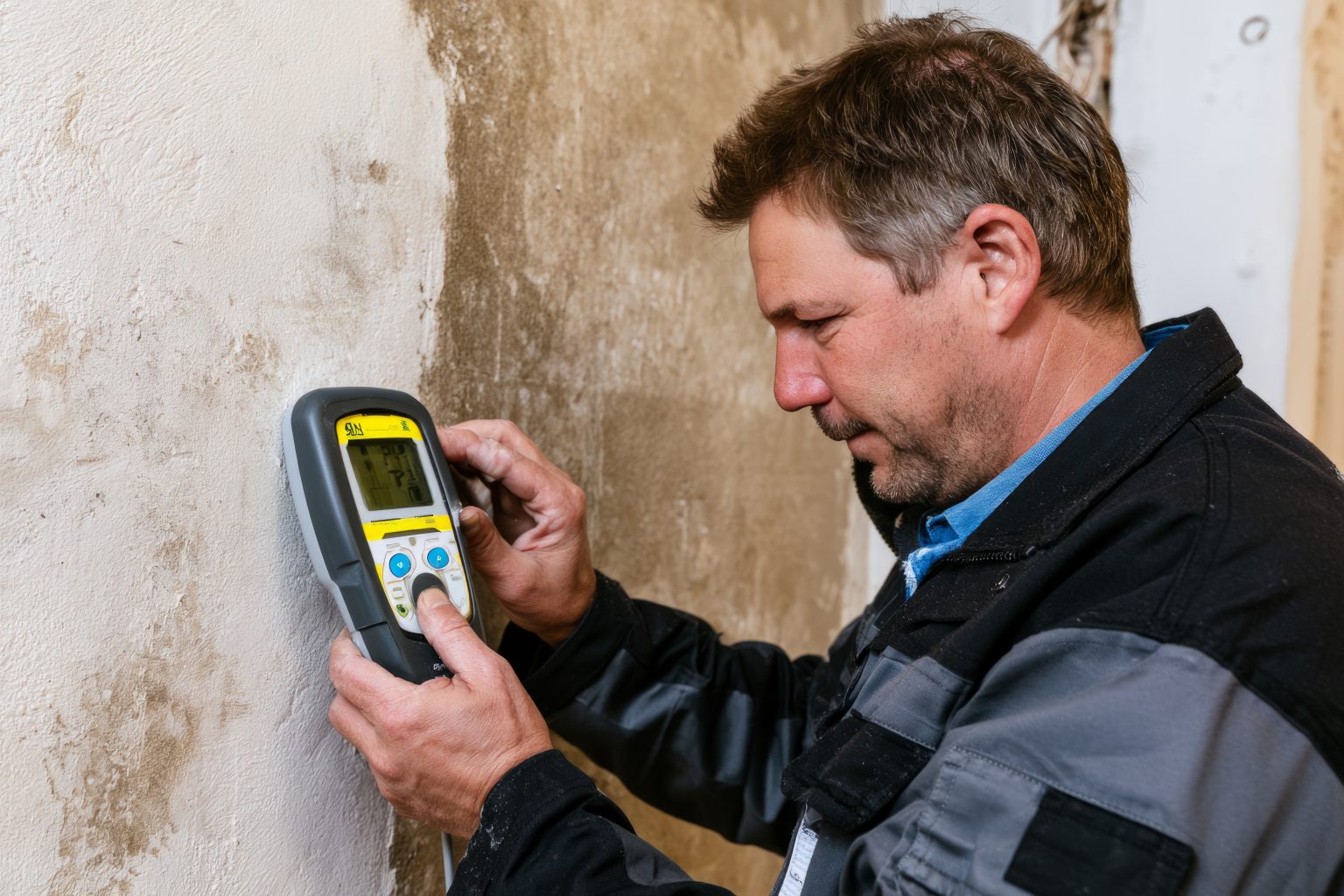
When our emergency response crew arrives on site, storm damage restoration starts with a check for structural damage. We then photograph every affected room and take moisture readings in the walls and floors before the emergency work begins.
How Storm Damage Hides in Tampa Homes
Tampa sits on the Gulf side of central Florida, where tropical storms, hurricanes, and summer severe storms all drive water into buildings. Helene pushed record surge flooding into neighborhoods along Hillsborough Bay in September 2024, and Hurricane Milton followed two weeks later with a 93 mph gust at Tampa International Airport. The same neighborhoods took both hurricanes, so damage from one storm often sits behind repairs from the other.
Roof Damage That Shows Up a Week Later
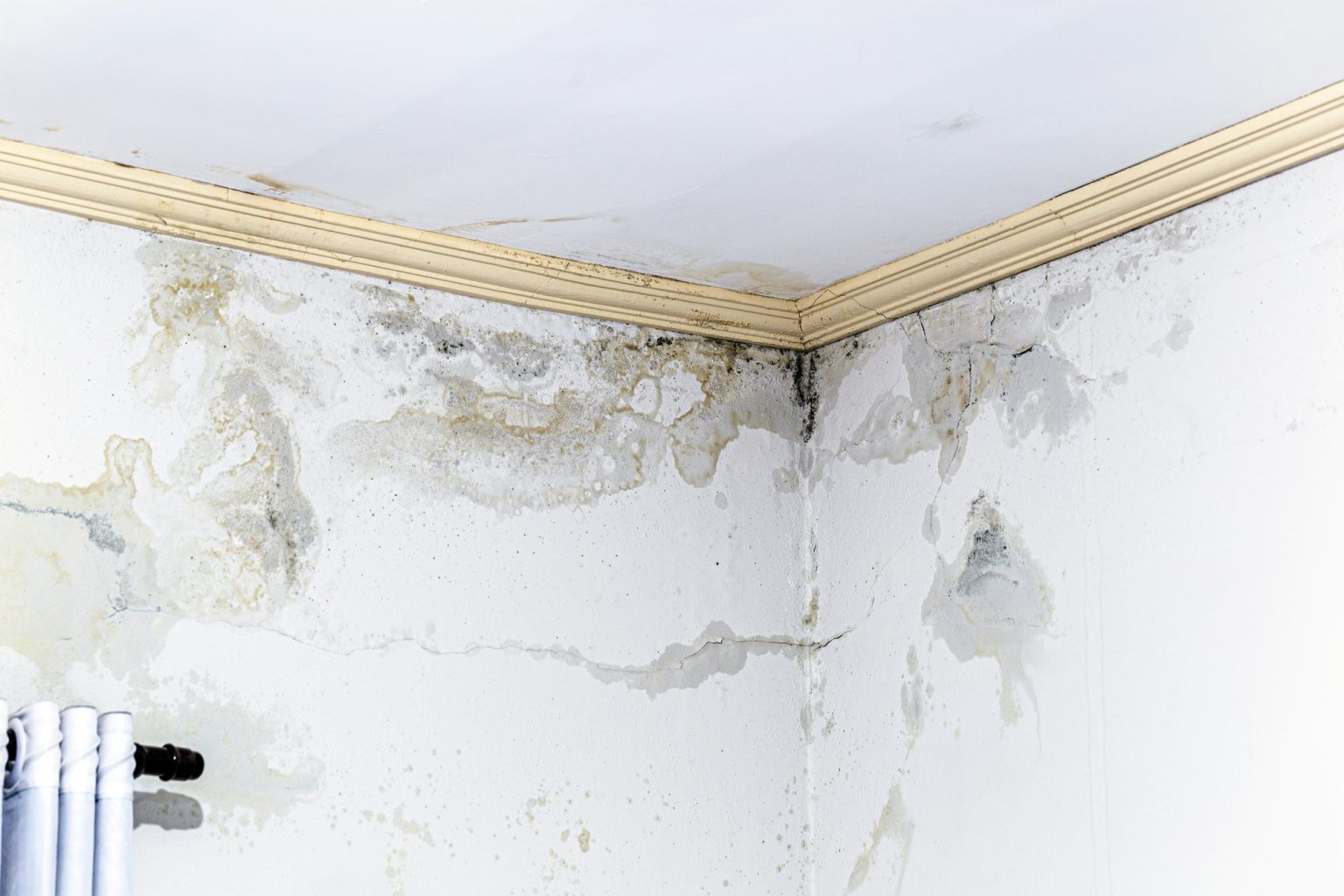
Wind damage starts when gusts lift shingles and tile, expose roof decking, and leave broken windows behind. Wind-driven rain then causes water intrusion through the gaps and soaks attic insulation. Active leaks often stop when the rain does, so a spreading ceiling stain may be the first sign of roof damage a week later.
Flood Damage That Wicks Up Block Walls
Much of the local housing is concrete block on slab, so flooding travels sideways along the slab and wicks up into the base of the walls. Water trapped in wall cavities, behind baseboards, and under floors keeps the structure wet long after the surface looks dry. Hidden moisture like this turns one storm into weeks of secondary damage and mold.
Storm Surge Water That Has to Come Out
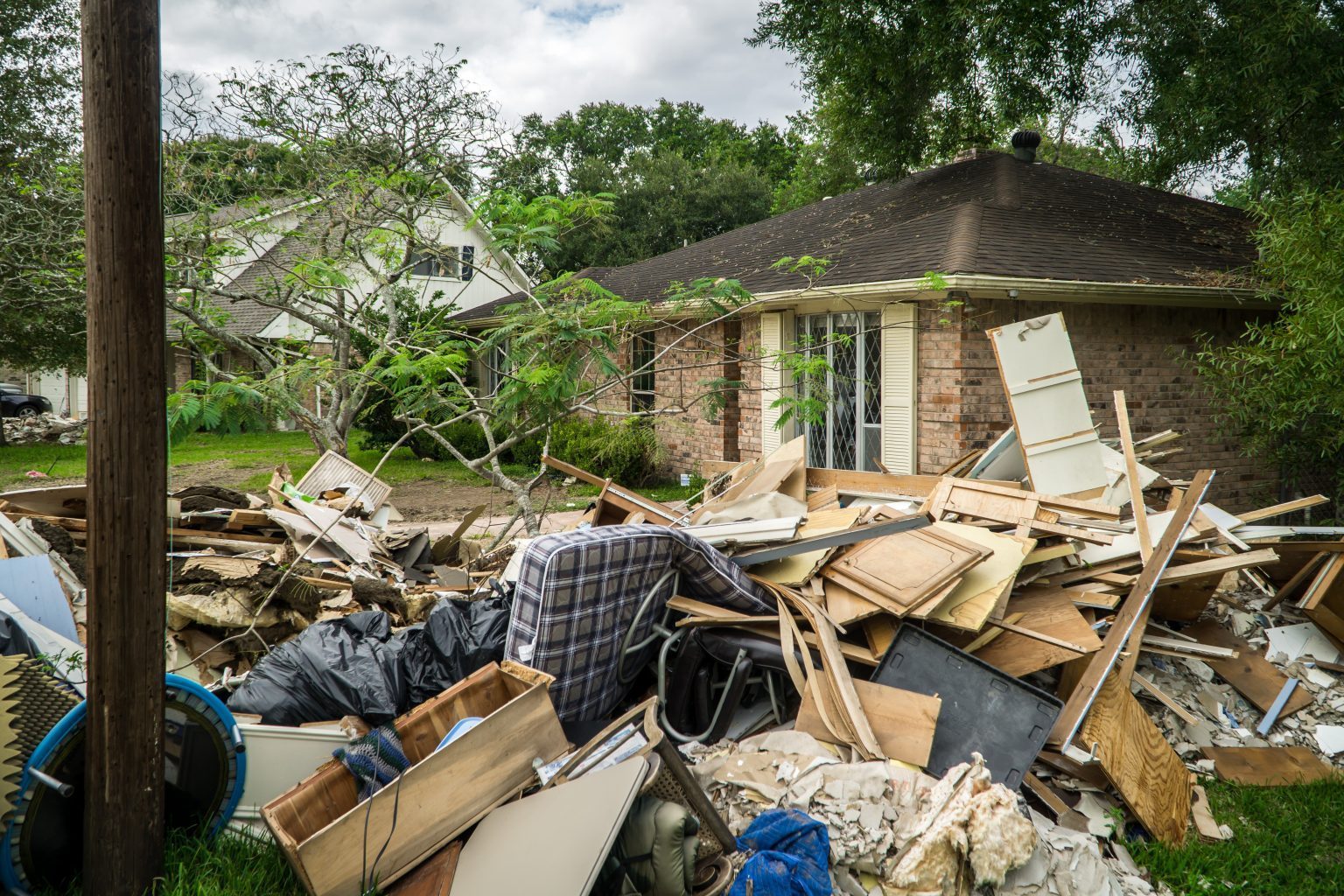
Surge carries sewage, fuel, and street runoff, so the IICRC S500 standard treats it as Category 3 water. Drywall, carpet, and insulation soaked by surge come out during restoration because they cannot dry safely in place, so surge damage cleanup starts with removal.
Storm Damage Repair in Tampa, FL: From First Call to Final Inspection
Every storm damage restoration job follows the same process, scaled to how far the flooding traveled across the property and what the wind broke.
Stabilization and Water Extraction
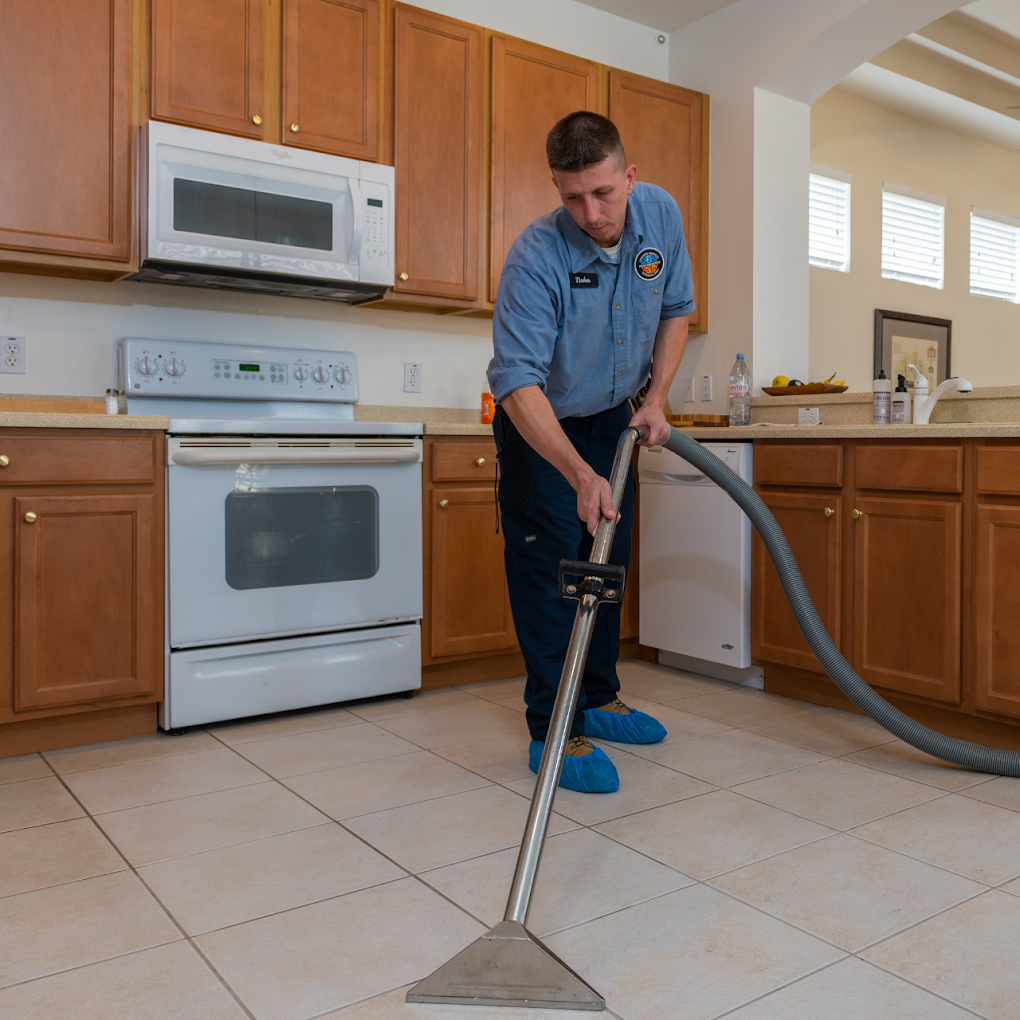
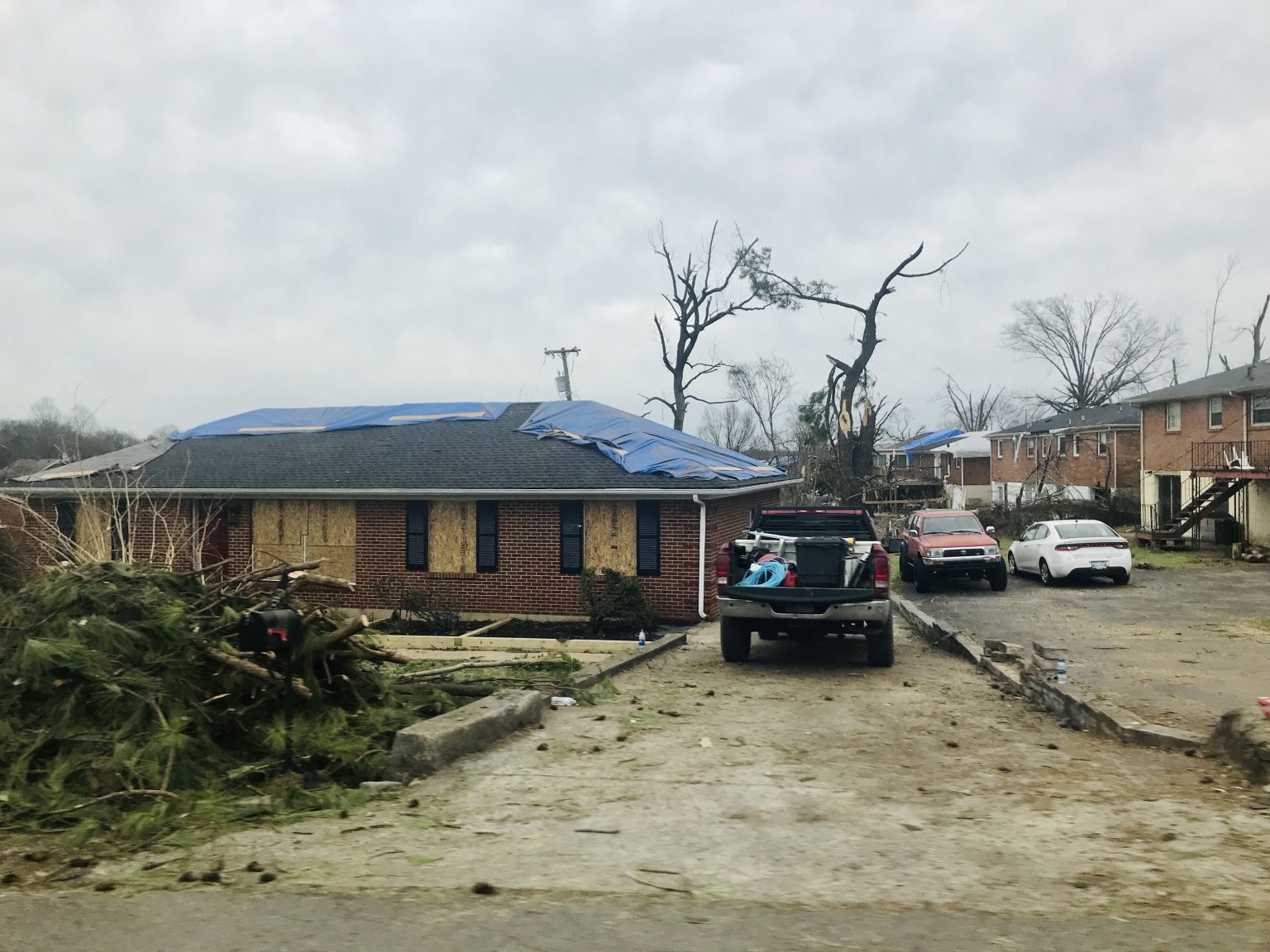
We handle emergency tarping and boarding up, with roof tarping over damaged sections and emergency boarding up on broken windows and doors to keep weather out. We stabilize damaged framing so crews can work inside safely once the weather clears, then truck-mounted equipment and industrial pumps pull out standing water. Debris removal clears downed trees, glass, and storm debris as part of storm damage cleanup.
Structural Drying and Moisture Monitoring
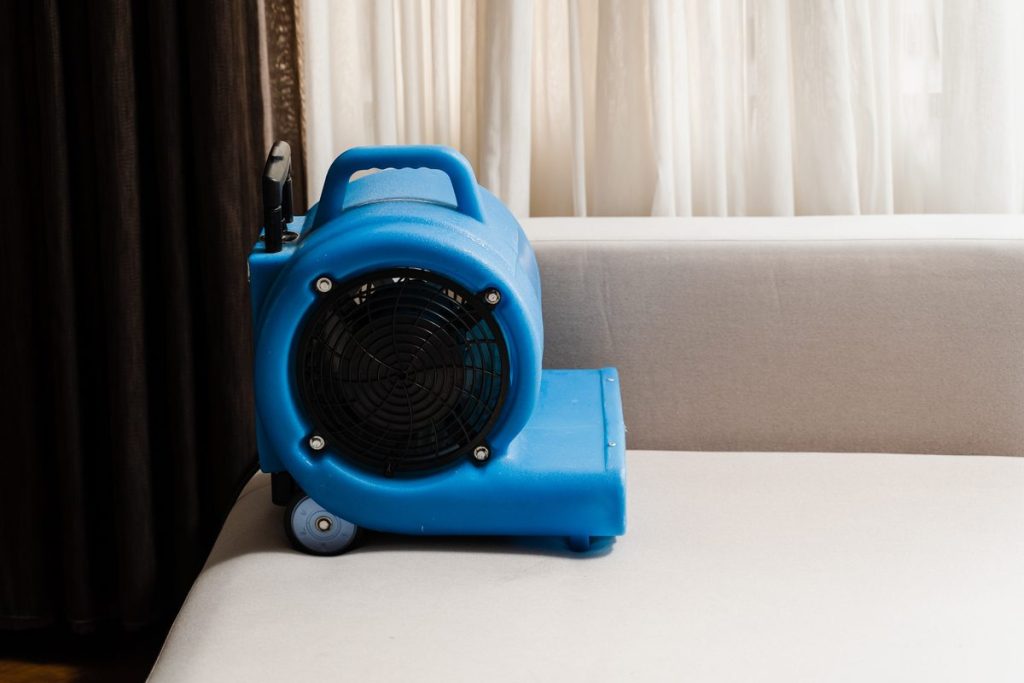
In Tampa Bay humidity, mold can start growing on wet materials within 24 to 48 hours, so drying begins immediately, on the same visit as water extraction. Structural drying uses air movers and commercial dehumidifiers to pull moisture from the framing at depth, and we read walls and floors with calibrated moisture meters each day. The drying equipment stays until materials read dry against a documented standard, so water damage cannot hide behind finished walls.
Mold Prevention and Cleanup
Where water damage sat too long before restoration, we treat surfaces with antimicrobials and remove colonized material under HEPA filtration. Larger growth moves to our mold remediation in Tampa crews, who seal off the area before removal. Florida law requires a DBPR-licensed mold remediator for any mold remediation over 10 square feet.
Structural Repairs and Reconstruction
Once the building is dry, we restore and rebuild roofing, siding, windows, drywall, insulation, and floors under Certified Building Contractor License CBC1261128. Inside city limits, permits go through the City of Tampa Construction Services Division.
Final Walkthrough
We walk the property with you before handing it back and confirm the structure is dry and every item on the written scope is complete, from the roof down to the last baseboard.
How Florida Code Rules Can Make a Repair Bigger Than the Damage
Florida Building Code rules can force more work than the storm caused, and that extra restoration cost falls under a separate coverage in your policy, if you have it. Knowing which rule applies before the adjuster’s inspection helps you ask for the right money.
| Situation | What code requires | What to ask your adjuster |
|---|---|---|
| Roof built before the 2007 Florida Building Code, with more than 25 percent of a section damaged | The whole roof section comes up to current code | Does my law and ordinance coverage pay to replace the undamaged part of the section? |
| Roof built to the 2007 Florida Building Code or later | Only the damaged portion has to meet current code, however much is damaged | Is the estimate limited to the damaged area, and does it price current code materials? |
| Home in flood Zone AE, Coastal A or VE with repairs over 50 percent of the structure’s value | The building must meet flood-resistant construction standards under the Florida Building Code, which can mean elevating it | Does my flood policy include Increased Cost of Compliance coverage? |
| Windows or doors replaced in a wind-borne debris region | Replacement openings need impact-rated protection | Does the estimate price impact-rated units instead of standard glass? |
Florida insurers must offer law and ordinance coverage at 25 or 50 percent of the dwelling limit, and a homeowners policy includes the 25 percent level unless you rejected it in writing. That coverage pays the extra cost of meeting current code, so check your declarations page before the adjuster visits.
Storm restoration after Florida hurricanes also attracts contractor fraud and price gouging. The City of Tampa urges owners to verify every license on floridalicense.com, get at least three estimates, and never pay the full repair cost upfront.
Documenting Your Insurance Claim After a Hurricane
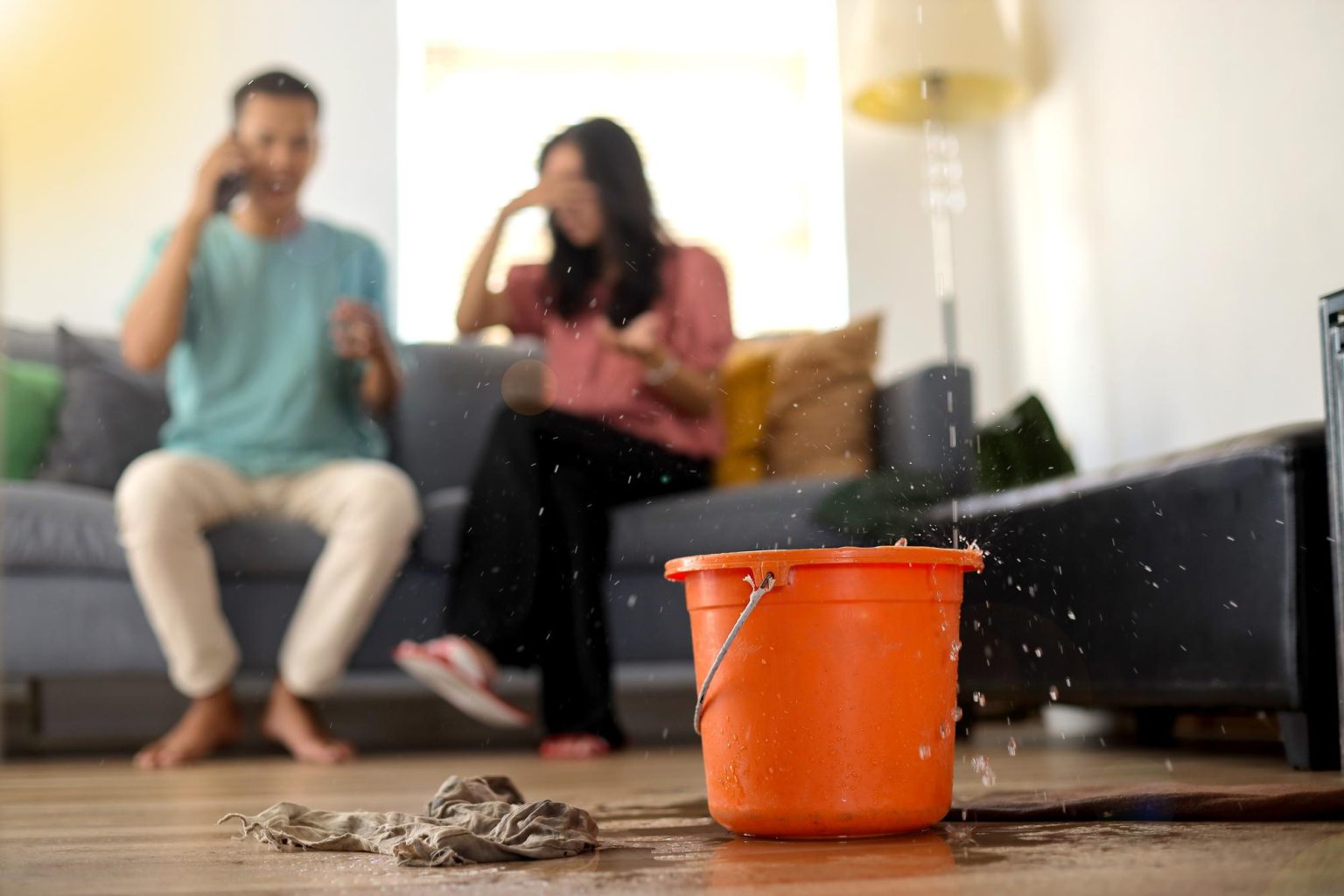
Adjusters pay for what they can verify. Photos, daily moisture logs, and a written scope turn a storm loss on your property into an insurance claim the carrier can check line by line.
- Report within 1 year. Florida law bars a property claim not reported within 1 year of the date of loss and gives you 18 months to file a supplemental claim for damage found later.
- Separate wind from water. Standard homeowner’s insurance usually covers wind damage and wind-driven rain through a storm opening, subject to the hurricane deductible. Rising water and storm surge flooding fall under a separate flood policy.
- Be there for the inspection. Walk the property with the adjuster and share the moisture logs so the estimate covers hidden damage.
We bill your insurer directly for restoration services and handle the paperwork through our insurance claim assistance team, so the insurance process moves without you chasing documents.
Commercial Storm Damage Restoration in Tampa
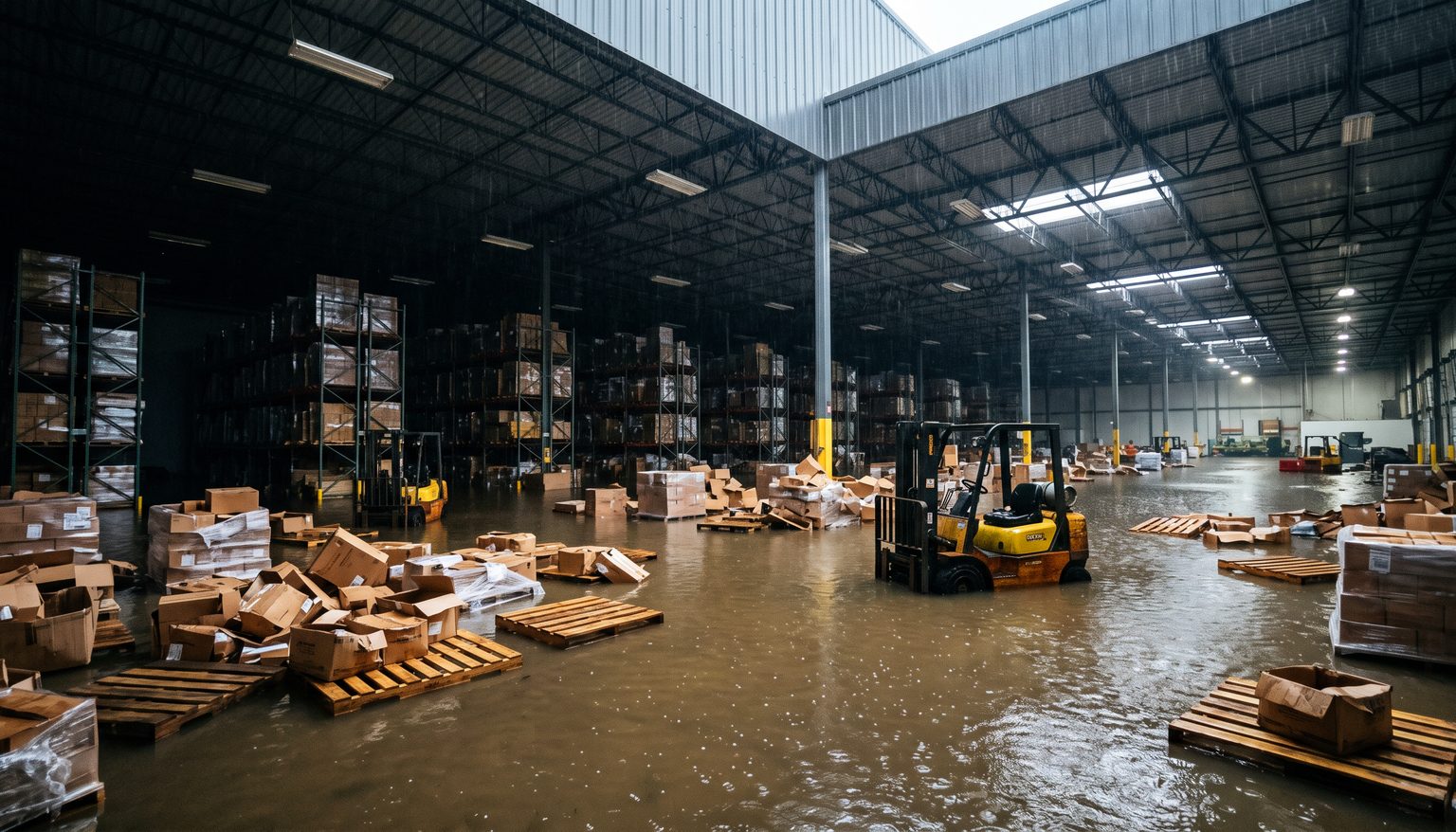
After hurricanes, businesses lose revenue every day flooding or roof damage keeps the doors shut, so our commercial storm damage restoration in Tampa work uses phased reconstruction schedules to cut downtime. When a building is beyond simple repair, our post-disaster reconstruction crews restore it under the same contract.
Storm Damage Cleanup Across Tampa and Hillsborough County
Our storm damage restoration crews leave from West Waters Avenue, next to Town ‘N’ Country, and serve Hillsborough County, Pinellas County, Pasco, and Manatee counties across the Tampa Bay area.
Helene’s surge flooding covered streets on Davis Islands, Bayshore Boulevard, and Southwest Shore, while Milton’s wind and rain reached every part of the county, with peak gusts of 80 to 100 mph in Hillsborough.
Storm Damage Repair Questions From Tampa Property Owners
Practical answers for Tampa Bay owners on permits, drying time, living at home, and belongings before you book restoration services after hurricanes.
Do I need a City of Tampa permit for storm damage repairs?
Most structural work does. Roof repair or replacement over 500 square feet needs a roofing trade permit, and wall repairs need an alteration permit through Construction Services. After declared emergencies, the city has waived permits for smaller jobs such as roof covering repairs of 500 square feet or less and drywall repairs within 2 feet of the floor. After Helene and Milton, it also sped up the permit process when the scope of work noted storm damage.
How long does drying take after a storm in Tampa?
Most residential drying runs three to five days once extraction is finished, and Tampa Bay humidity can add a day or two because dehumidifiers work harder here. Reconstruction is a separate phase of restoration. A single room of drywall and flooring might take another three to five days, while a multiroom rebuild can run several weeks.
Can I stay in my house during storm restoration?
Often yes, if the power is safe and the damage covers only part of the property. Rooms touched by surge flooding or sewage should stay closed until cleanup is done and the rooms are dry, and drying equipment runs around the clock, which is loud and adds heat. Your policy may include additional living expenses if the home is unlivable, so ask your carrier before you book a hotel.
What happens to my furniture and belongings?
Hard items like solid wood, metal and glass can usually be cleaned. Porous items with flood damage from surge or sewage, such as mattresses, upholstered furniture and carpet pad, generally go to the curb because Category 3 water cannot be cleaned out of them. Photograph and list every item before disposal so your contents claim reflects what you lost.
What will I pay if my insurance claim is denied?
We price restoration from an on-site walkthrough and put the full scope in writing before any work begins, so you see the cost before you approve the work, whether or not the carrier pays. Ask about payment options on the first visit, so there are no surprises later.
Why Tampa Bay Owners Choose United Water Restoration Group
Property owners across Tampa Bay rate us 4.9 stars across 627 Google reviews. We are a locally owned Florida franchise of a national restoration network founded in 2008, and our IICRC and IRI-certified technicians dry the structure while the rebuild runs under our state license.
- One team from tarp to finish. Emergency services, restoration services, and reconstruction stay with one company, so no work falls between contractors.
- Records adjusters can use. Daily moisture logs, photos, and a written scope support every part of the claim.
- A phone that gets answered. Our emergency response line answers 24/7, through hurricanes and tropical storms alike.
Contact United Water Restoration Group of Tampa
We answer 24/7 for storm and water damage restoration across the city and the surrounding counties.
- Address: 4897 W Waters Ave, Tampa, FL 33634
- Phone: (813) 738-6130
- Hours: Open 24 hours, 7 days a week