


Locally Owned Mold Remediation Company in Tampa
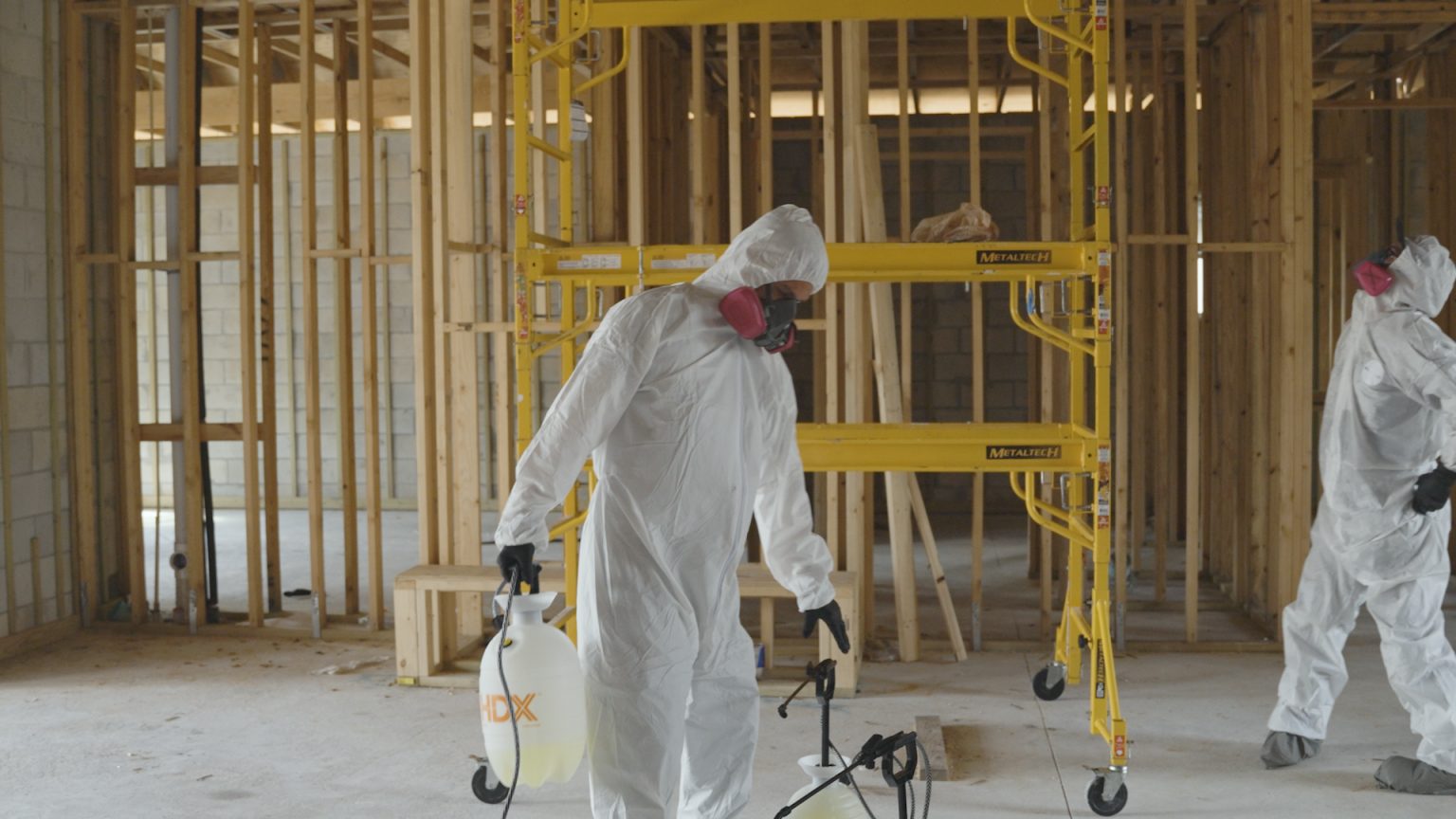
United Water Restoration Group of Tampa provides mold remediation in Tampa, FL for homes and businesses from our office at 4897 West Waters Ave., closest to Town ’N’ Country and South Tampa. Our IICRC-certified technicians find the moisture source, seal off the affected area, remove mold-damaged material under HEPA filtration, and dry the structure to help prevent regrowth.
We hold Florida Certified Building Contractor License CBC1261128, so we remove your moldy drywall and rebuild the wall. One contract covers inspection, containment, removal, drying, and repairs, and we bill your insurance company directly.
Signs Your Tampa Property Needs Mold Remediation
Mold often grows out of sight for weeks before anyone notices it. Book a professional inspection if you see any of these warning signs.
- Musty odor. An earthy smell that returns after cleaning, often near an exterior wall, a closet, or the air handler.
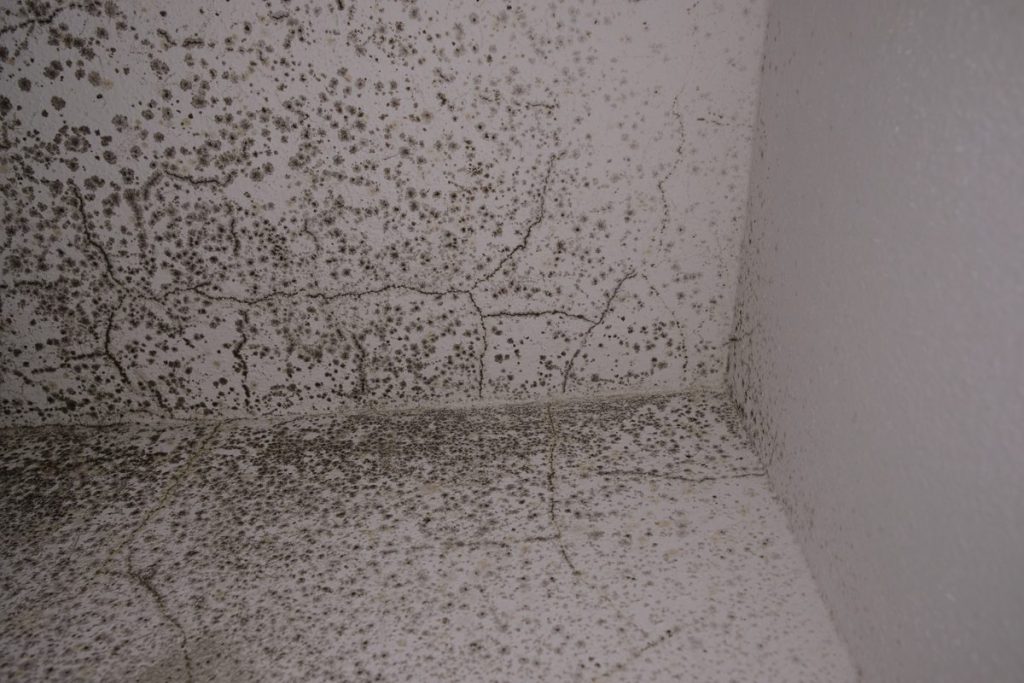
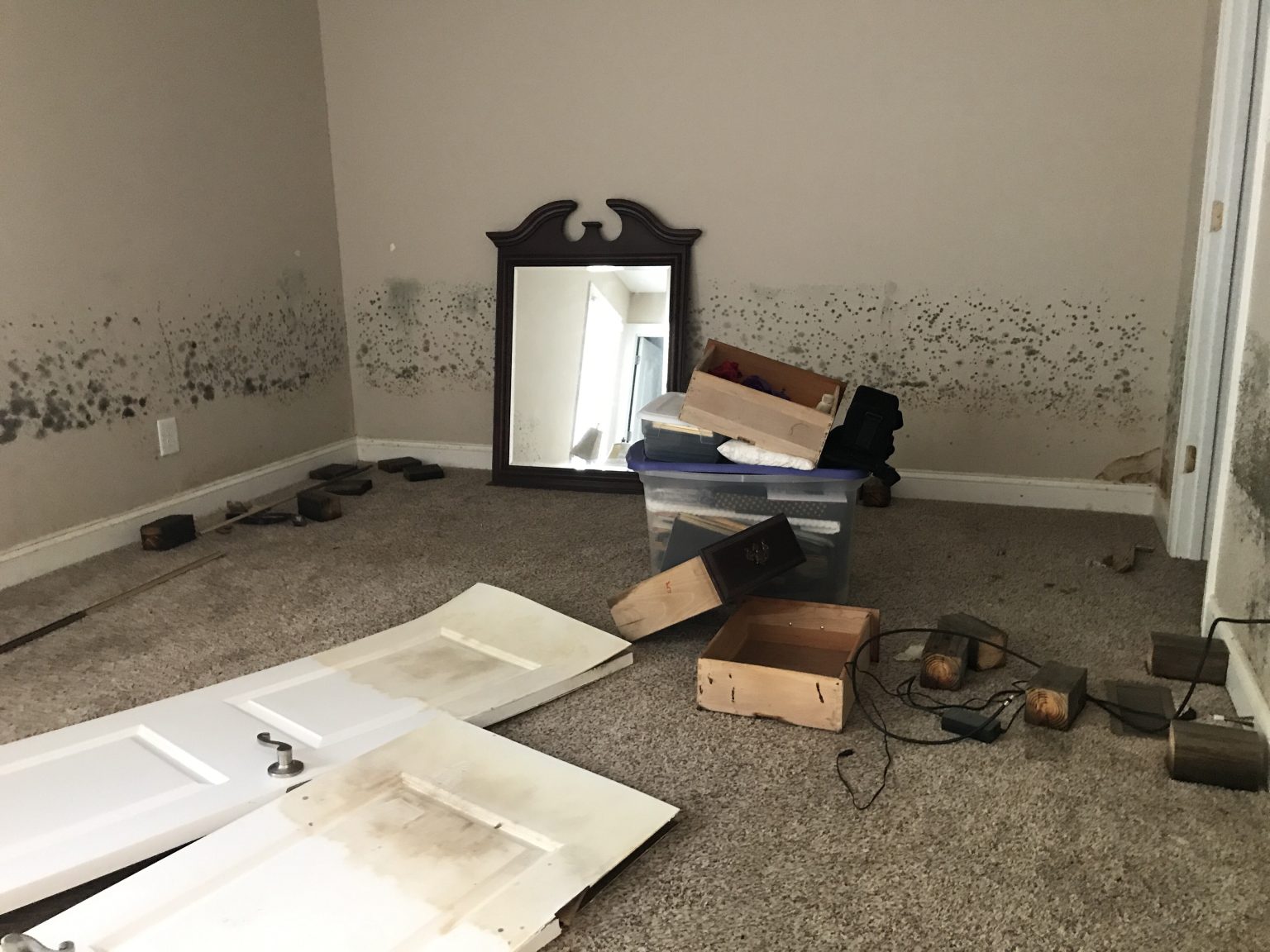
- Visible growth. Dark spots, fuzzy patches, or discoloration on drywall, ceilings, baseboards, or the backs of cabinets.
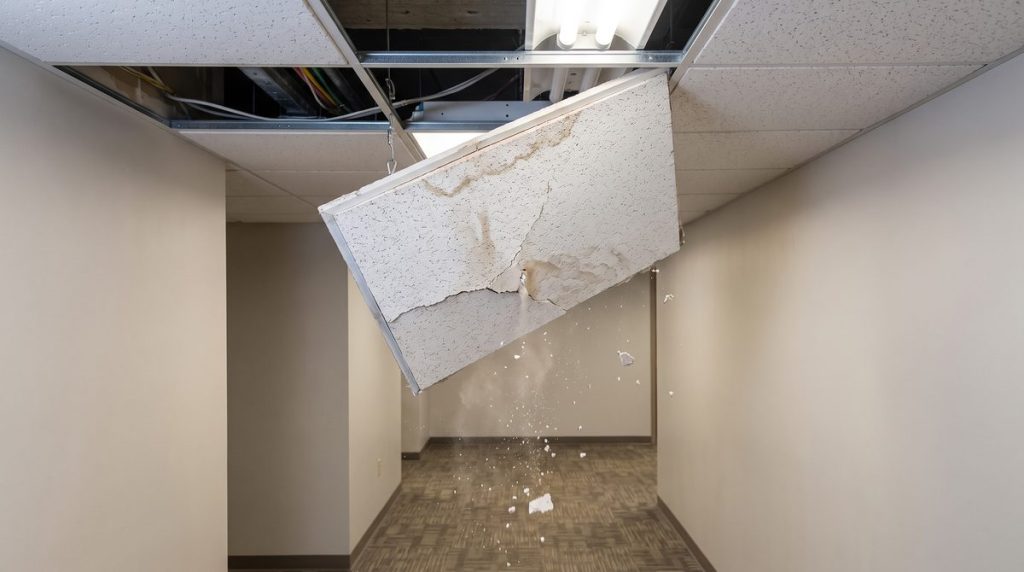
- Spreading stains. A ceiling or wall stain that keeps growing usually means a leak is still feeding the material.
- Separating baseboards or cupping floors. Moisture at the base of the wall can lift trim and warp flooring before mold becomes visible.
- Recent water damage. Any leak, overflow, or flood that left drywall, insulation, or carpet wet for more than a day or two.
- Symptoms that feel worse indoors. A stuffy nose, wheezing, or itchy eyes that seem worse inside the building can point to an indoor mold source.
Where Mold Starts in Tampa Homes and Businesses
Mold in a Tampa building usually starts as a water problem. Housing here often uses concrete block on a slab, so water travels sideways along the slab and wicks into the wall base behind the baseboards. Fast water damage restoration in Tampa can stop a leak before it becomes a mold job. Common sources include the following.
AC Condensate Lines and Air Handlers
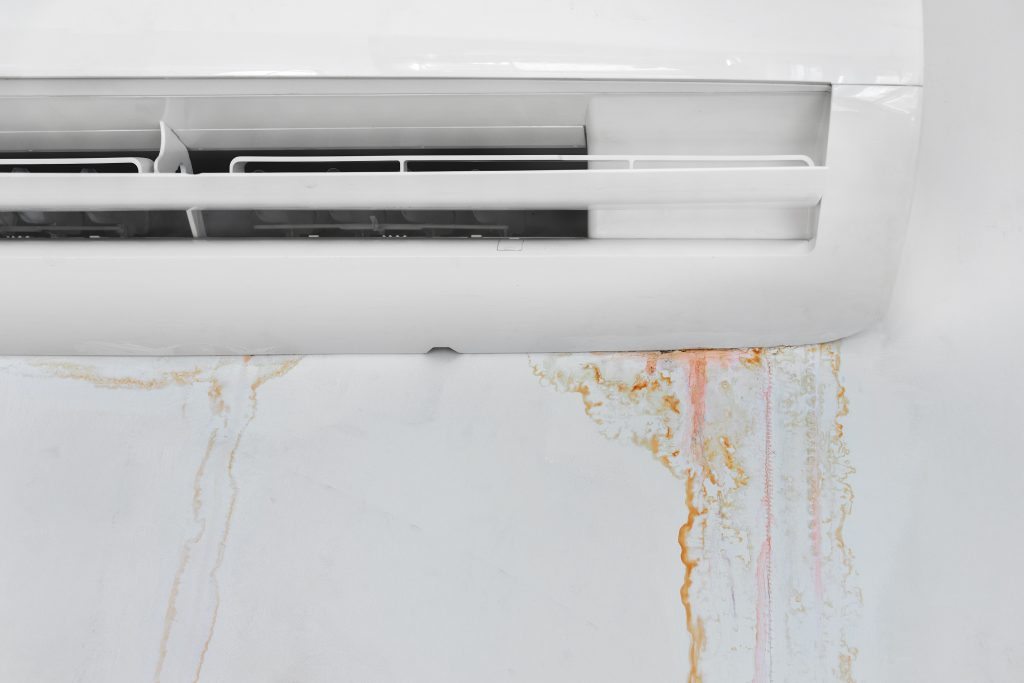
Air conditioners pull a steady stream of water out of humid air. When the condensate drain line clogs, the pan overflows into the ceiling or wall below the air handler, often inside a closet nobody opens. A stain under the unit is your signal to shut it off and call us.
Slab Leaks and Wall-Base Moisture
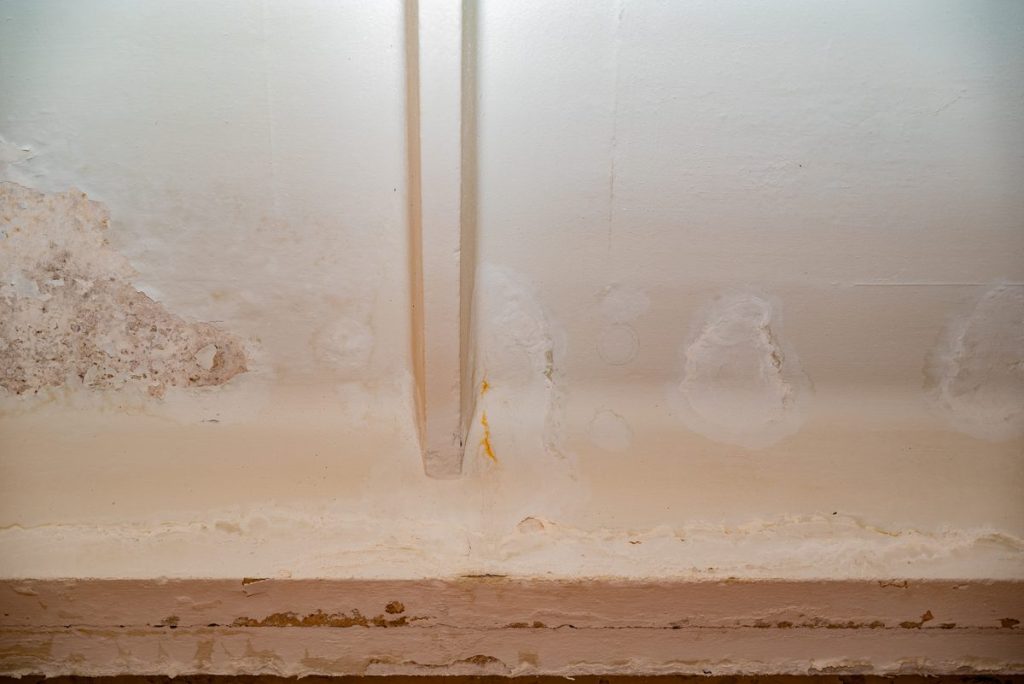
A slab leak rarely shows standing water. Instead, it spreads through the subfloor and the bottom of the wall. A warm spot underfoot, lifting flooring, or a musty smell near an exterior wall often shows up before any visible mold.
Water Heaters, Supply Lines, and Roof Leaks
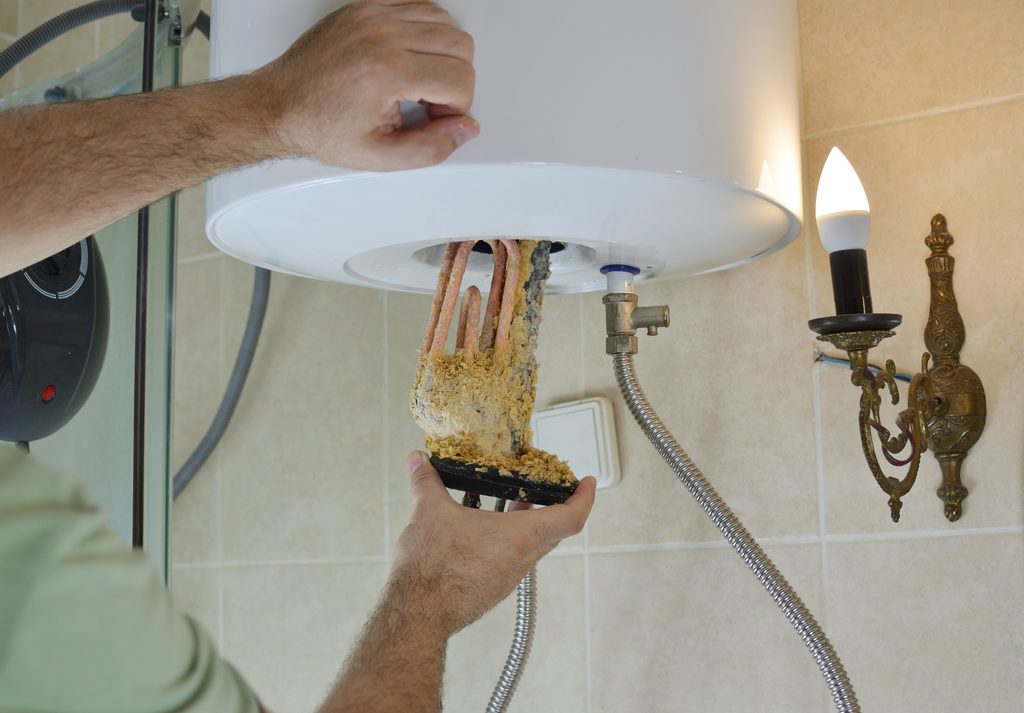
A water heater that rusts through in a utility closet or a split washing machine hose soaks the bottom plate and the backs of cabinets. A roof leak that opens during an afternoon storm and seals again can keep attic insulation and ceiling drywall wet for weeks.
Storm Surge and Hurricane Flooding
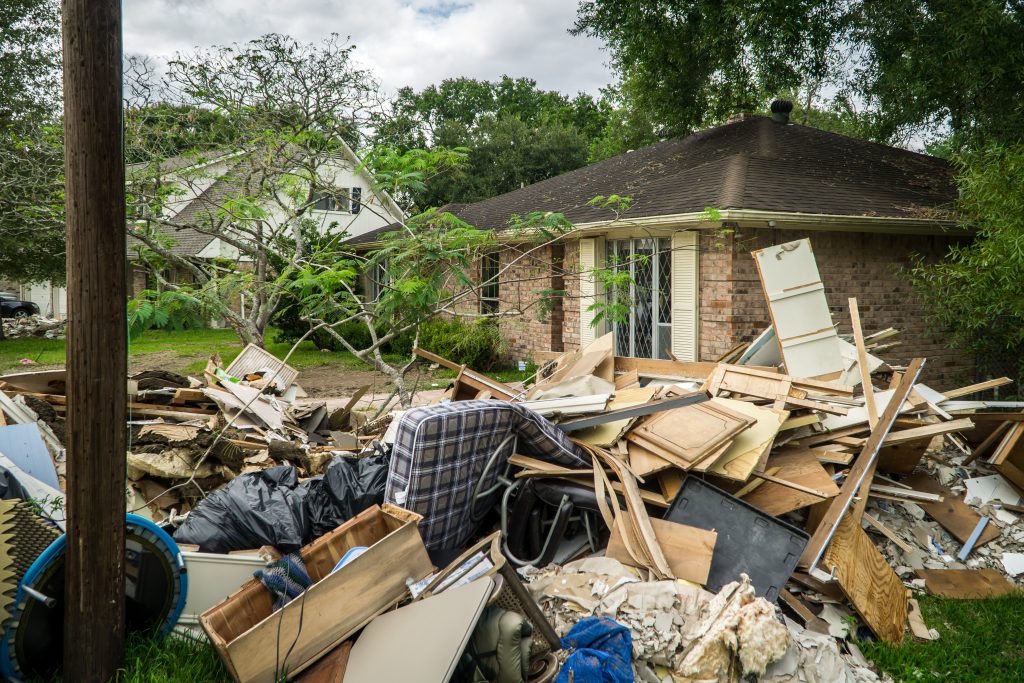
Hurricane Helene pushed record surge into Tampa Bay in September 2024, peaking at 6.8 feet at Old Port Tampa. Roads flooded on Davis Islands, and water inundated homes in Palmetto Beach. Surge water carries contamination, so we remove soaked porous materials instead of drying them in place. For storm damage restoration in Tampa, our crews handle the tarping, debris removal, and flood cleanup that come before mold work.
How Tampa’s Humidity Changes Mold Remediation
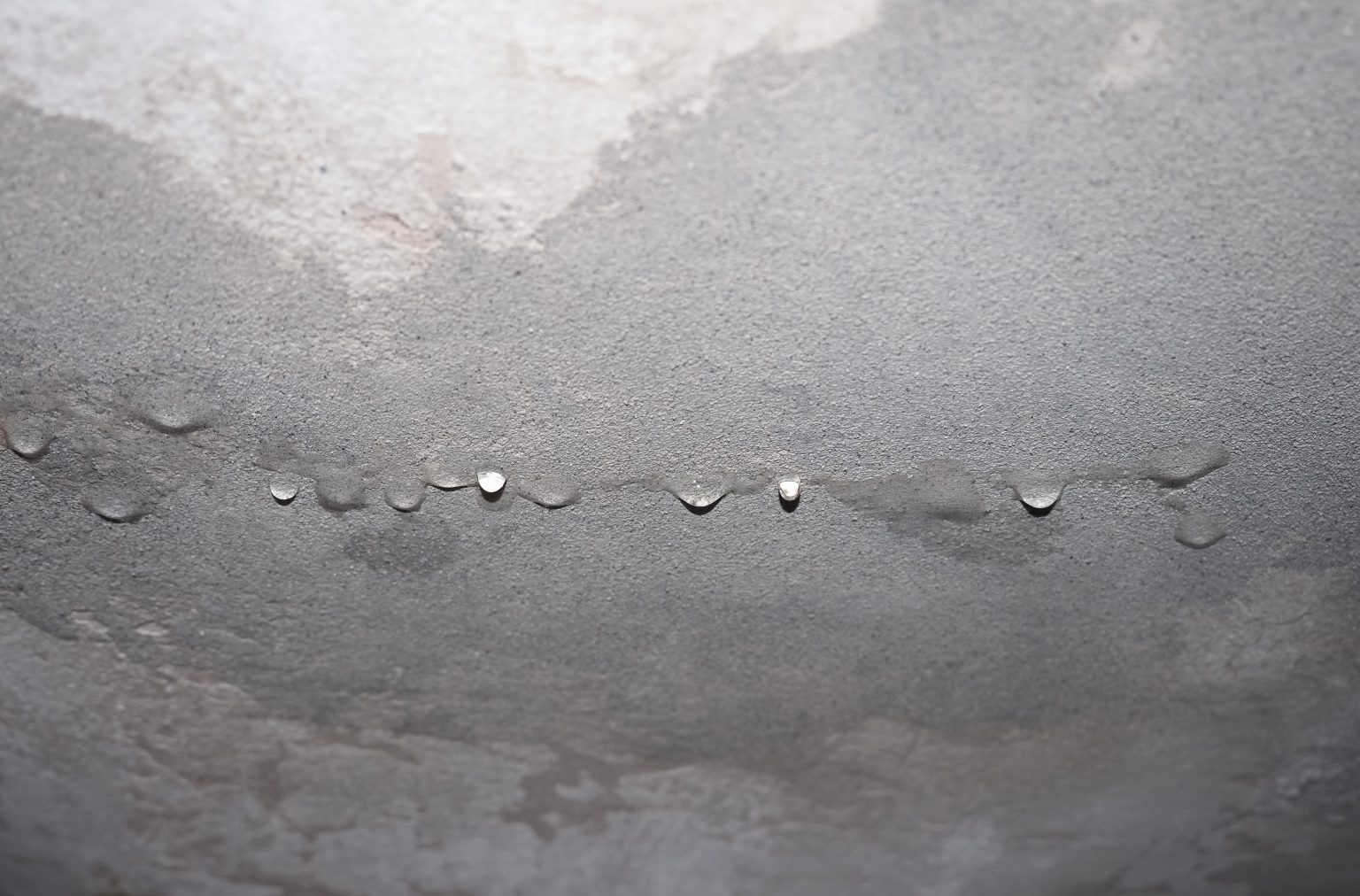
Humidity in Tampa Bay stays high most of the year, so drywall and framing hold moisture for days after the surface feels dry. In these conditions, mold can start growing within 24 to 48 hours of a water loss.
Removing moldy material is only half the job. If new drywall goes up while the framing still reads wet, growth can restart inside the cavity. That is why we dry framing to a documented reading before any drywall goes back.
Humidity control matters after the job, too. The EPA recommends keeping indoor relative humidity below 60 percent, ideally between 30 and 50 percent.
Historic Homes in Seminole Heights and Hyde Park
Older neighborhoods add another step. Seminole Heights holds Craftsman bungalows built from 1912 to 1928, and like Hyde Park, it is one of the city’s local historic districts. Exterior work there, such as window or siding replacement, generally needs a Certificate of Appropriateness from the City of Tampa Architectural Review Commission, so any exterior material removed for mold belongs in the scope before demolition starts.
Our Process for Mold Remediation in Tampa, FL
Every project follows the same sequence, scaled to how far the water traveled and what it soaked.
1. Inspection and Moisture Mapping
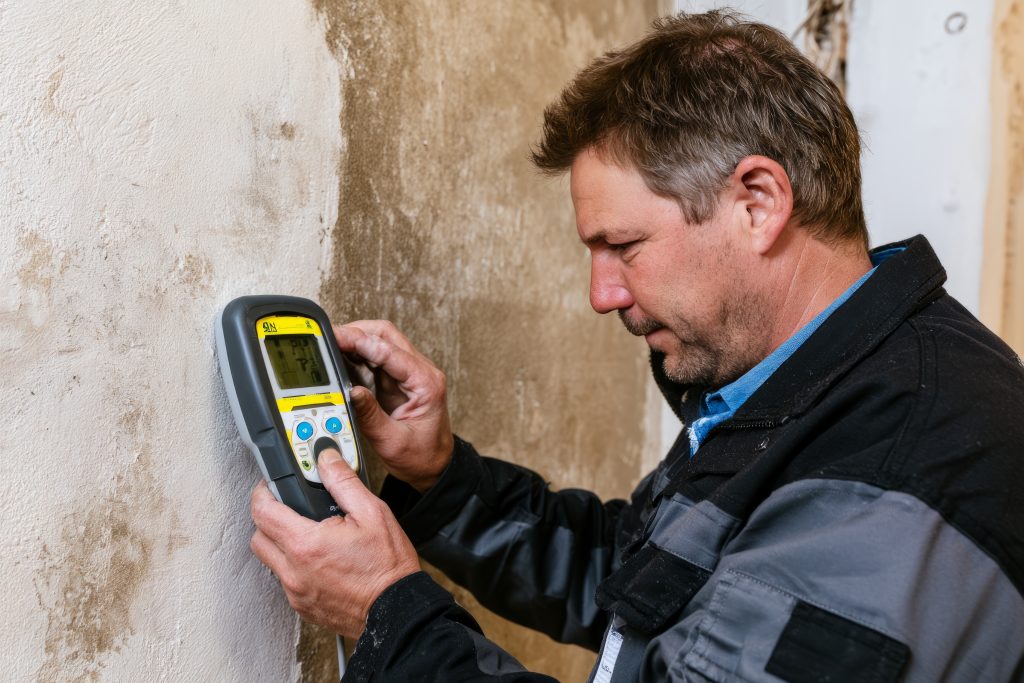
A trained technician uses moisture meters and infrared cameras to locate hidden growth, trace the water source, and map how far moisture traveled behind walls and under flooring. You receive a written scope before any work begins.
2. Containment and Negative Air
Our crew seals the work area with plastic sheeting and runs HEPA-filtered negative air machines to keep spores from reaching the rest of the building. We shut down fans and the HVAC serving that space, and our technicians wear gloves and protective gear inside the containment.
3. Removal of Mold-Damaged Materials
We cut out drywall, insulation, carpet, and other porous materials that mold has colonized and haul them off the property. What stays and what goes depends on the material.
Material type Examples Typical treatment Porous Drywall, insulation, carpet and pad, ceiling tiles Removed and discarded Semi-porous Wood framing, subfloor, trim Cleaned and treated when structurally sound Non-porous Tile, metal, glass, hard plastics Cleaned in place 4. Cleaning and Antimicrobial Treatment
Our technicians clean the exposed framing and remaining surfaces, then apply an EPA-registered antimicrobial treatment to discourage regrowth. HEPA air scrubbers capture airborne spores and help remove musty odors.
5. Dehumidification and Structural Drying
Commercial dehumidifiers and air movers run until every material reads dry. Our dehumidification and dryout crew checks the structure with calibrated moisture meters, logs readings daily, and keeps the equipment running until the numbers meet a documented standard.
6. Clearance Testing by an Independent Assessor
Florida law bars a mold remediation company from performing a mold assessment on a structure it remediated within the past 12 months. If you want post-remediation clearance testing, a separate licensed mold assessor must perform it, which gives you and your insurer an independent result.
7. Repairs and Reconstruction
After drying and any clearance testing, our reconstruction services team replaces drywall, flooring, and finishes. Every job ends with a walk-through before we hand the space back.
Smell mold but can’t find it? Call (813) 738-6130 and our certified crew will trace the moisture before anyone opens a wall.
Black Mold and Hidden Mold Growth
Visible mold can mark only the edge of a larger area inside a wall or ceiling. Two situations call for extra care.
Black Mold (Stachybotrys chartarum)
Stachybotrys chartarum, often called black mold, grows on cellulose materials such as drywall paper and ceiling tile that stay wet for long periods. Color alone doesn’t identify a species, and the CDC advises that you don’t need to identify the type of mold before removing it. Our black mold remediation service follows the same containment and removal process.
Mold Behind Cabinets, Baseboards, and Flooring
Slab moisture and supply-line leaks hide behind kitchen and bathroom cabinets, under laminate and vinyl plank floors, and inside the wall base. Infrared imaging and moisture readings help us locate the wet area before we open anything, so we can limit removal to the materials that need to come out.
Residential and Commercial Mold Remediation
We remediate mold in residential and commercial properties, from single-family homes and apartments to offices, medical facilities, schools, and warehouses.
Homes and Apartments
Homeowners and landlords get one point of contact from inspection through rebuild. We document every loss with photos and daily moisture logs, the kind of record adjusters look for when they review a claim.
Offices, Restaurants, and Warehouses
For a business, downtime can cost more than the repair. Our commercial mold remediation teams work nights and weekends so offices, restaurants, retail floors, and warehouses can reopen sooner.
Mold Remediation Cost, Timeline, and Insurance
We price each job based on the on-site inspection, so the quote reflects what we find.
What Affects the Cost
Cost depends on how much material the mold has damaged and how much drywall, insulation, or flooring has to come out. Access, HVAC involvement, and the amount of rebuilding also affect the price. A small area caught early usually costs far less than a multi-room loss found weeks later.
How Long Mold Remediation Takes
Most mold removal projects take one to three days, depending on how far the growth has spread. Extensive moisture damage or structural repairs add time, and reconstruction runs as a separate phase. We give you a detailed timeline after the inspection.
Insurance Coverage for Mold
Coverage depends on the cause. A policy may cover mold from a sudden event such as a burst pipe, but it often excludes mold from a long-term leak, and many policies cap mold payouts. Storm surge and rising water fall under a separate flood policy. Your policy wording decides what applies, and our insurance claim assistance team works directly with your carrier and handles the paperwork.
Why Tampa Property Owners Choose United Water Restoration Group
Mold remediation is one of the restoration services we provide across Tampa, alongside structural drying, storm damage restoration, and reconstruction. Tampa Bay property owners rate us 4.9 stars on 627 Google reviews.
- Local ownership. We are a locally owned franchise of a national restoration network founded in 2008, run by owners Tanya and Balazs.
- Certified technicians. Our crews hold IICRC and IRI certifications.
- One contract. Mitigation and reconstruction run under Certified Building Contractor License CBC1261128, with no handoff to a second contractor.
- Local experience. Our crews have restored hundreds of homes across Tampa, from South Tampa to New Tampa.
- 24/7 availability. We answer the phone around the clock for mold, water and storm emergencies.
Mold Remediation Across Tampa and Hillsborough County
Our West Waters Ave. office puts Town ’N’ Country, South Tampa, and central Tampa within the shortest drive. We also serve Carrollwood, North Tampa near USF, New Tampa, Seminole Heights, Hyde Park, Davis Islands, and Palmetto Beach, as well as Riverview, Valrico, Ruskin, and Sun City Center across Hillsborough County.
Mold Remediation FAQs for Tampa Property Owners
Answers to common questions from homeowners, landlords, and property managers.
Do I need a City of Tampa permit to cut out moldy drywall?
It depends on the cut height and timing. After a declared disaster, the city’s post-hurricane guide allows drywall repair 2 feet or less from the finished floor without a building permit. Wall repair higher than that requires an alteration permit through Construction Services, and homes in a Special Flood Hazard Area must file a Substantial Improvement Determination form either way. Outside a declared disaster, check with City of Tampa Construction Services at (813) 274-3100 before you cut.
Can I clean a small mold spot myself?
For a patch smaller than about 10 square feet, the EPA says you can usually handle the cleanup yourself, scrubbing hard surfaces with detergent and water while wearing gloves and eye protection. Larger areas, mold inside walls, and growth after contaminated flooding call for professional remediation. Mold that keeps coming back points to a moisture source that still needs fixing.
My home flooded during a hurricane. Can mold still be inside the walls?
It can, if no one opened the wall cavity. Surface drying can leave insulation and the bottom plate wet behind sound-looking drywall, and the bay’s humidity keeps that cavity damp. A moisture check tells you whether a flood cut is needed before you start any demolition.
Can I stay in my home during mold remediation?
It depends on the scope. Containment and negative air keep the work area separate from the rest of the home. Extensive contamination or strong treatment products can make it safer to leave during the work, so ask about it during the inspection.
Will mold come back after remediation?
Mold spores exist naturally indoors and out, so remediation aims for normal indoor levels, not zero. Growth comes back when moisture comes back. Keep condensate lines clear, fix leaks quickly, and hold indoor humidity in the EPA range.
Schedule a Mold Inspection With Our Tampa Team
Get the moisture found before the wall closes. Call (813) 738-6130 any time, day or night, or request a quote online. One crew carries your job from containment to the finished wall.
United Water Restoration Group of Tampa
- Address: 4897 West Waters Ave. Suite D, Tampa, FL 33634
- Phone: (813) 738-6130
- Hours: 24/7 emergency service