


Licensed Fire Restoration Company in Tampa, FL
United Water Restoration Group of Tampa provides fire damage restoration in Tampa, FL from our West Waters Avenue office, 24 hours a day. We board up the property and remove firefighting water quickly, because Tampa Bay humidity speeds mold growth. Then we clean smoke and soot and rebuild under Certified Building Contractor License CBC1261128, so one company handles the job from start to finish.
Storm-Related Fire Risks Around Tampa Bay and the Damage Each One Leaves
Kitchen and electrical fires happen everywhere. Around Tampa Bay, storms add three more risks, and each leaves a different kind of damage.
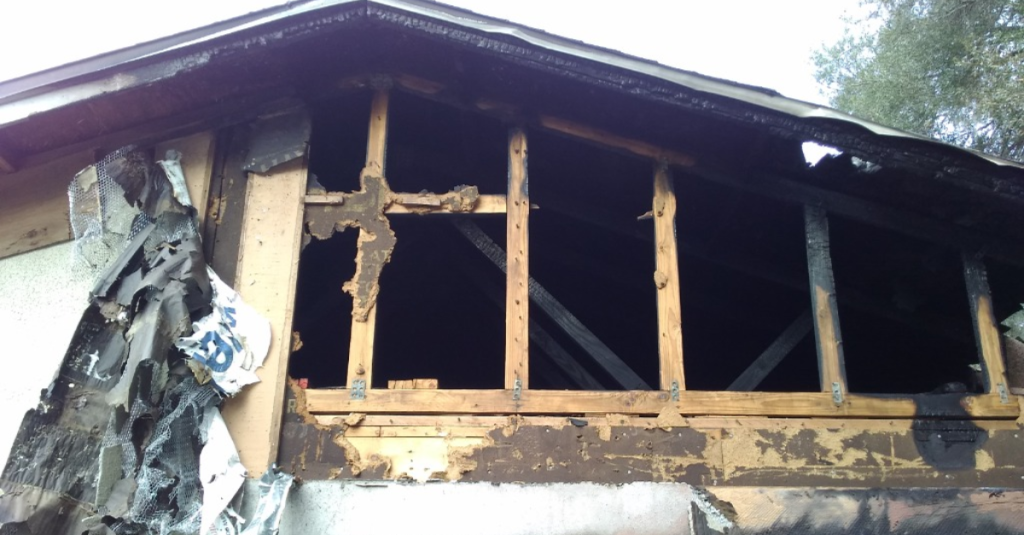
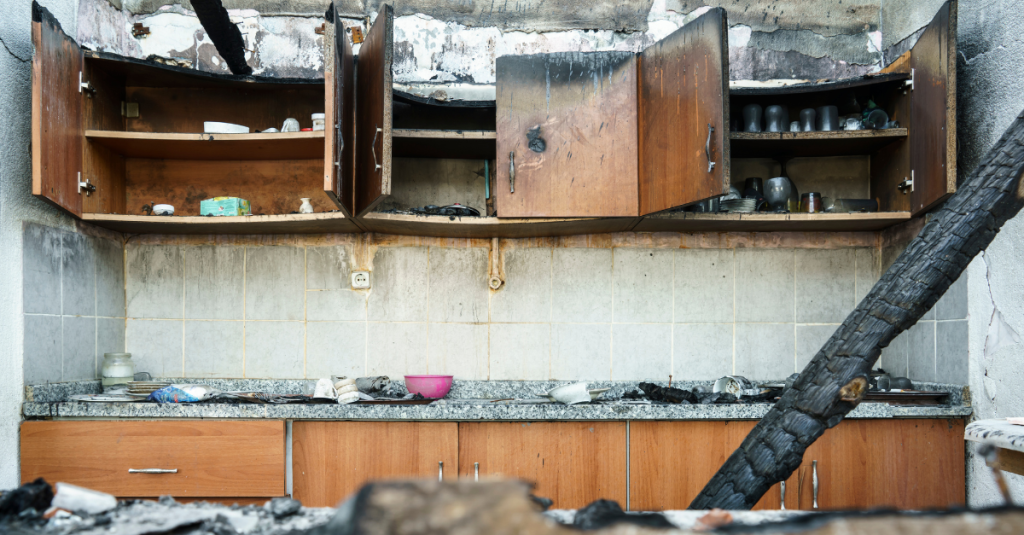
Lightning. A City of Tampa proclamation describes Tampa Bay as the “Lightning Capital of North America,” and firefighters said lightning most likely sparked a house fire in Palma Ceia during one storm. A strike through the roof can char rafters, decking, and wiring. If the storm continues, rain can enter through the opening, so the house can take fire and water damage on the same day.
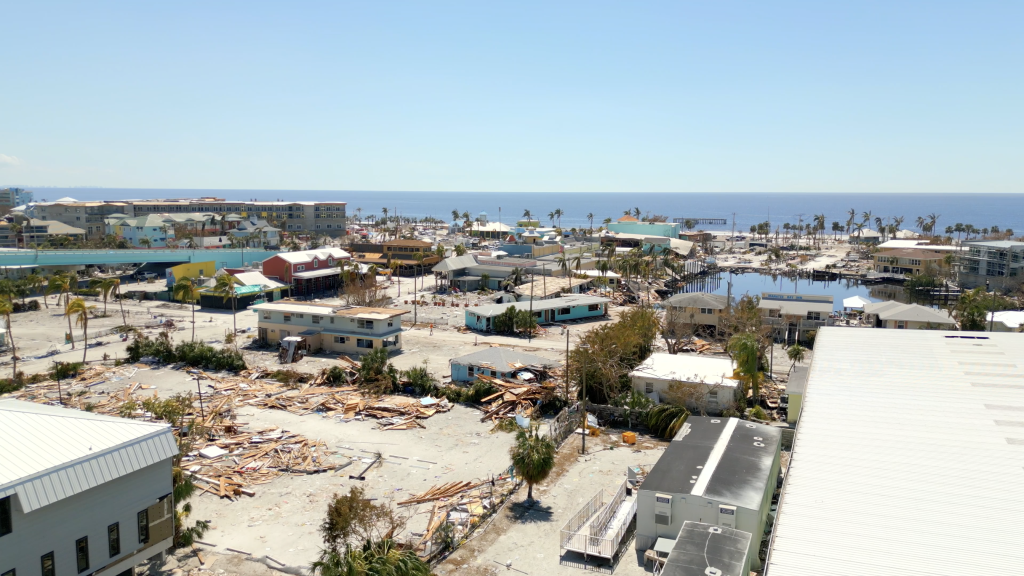
Flooded batteries. After Hurricane Helene in 2024, Mayor Jane Castor said a Davis Islands home likely burned after an electric vehicle in its garage caught fire. State officials counted dozens of lithium-ion battery fires linked to Helene’s storm surge, involving cars, scooters, and golf carts. A fire like this combines battery-fire residue with saltwater damage, and salt residue corrodes metal.
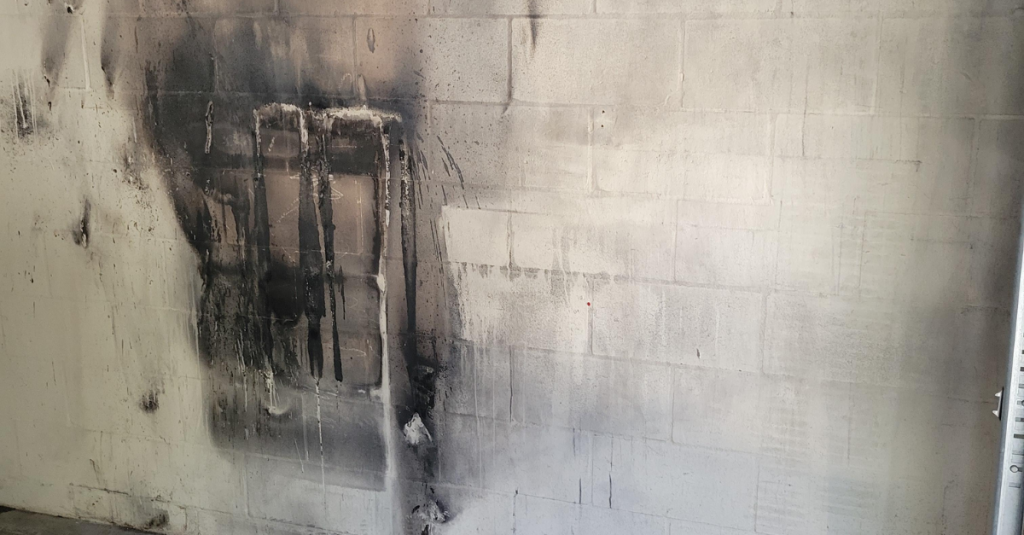
Saltwater in the wiring. A Tampa Bay TV station reported 11 house fires linked to saltwater corrosion in electrical systems after the 2024 storms. Fire officials urged owners to have their electrical systems inspected before restoring power.
Smoke, Soot, and Odor Cleanup by Residue Type
What burned determines how the residue behaves. A proper cleanup starts by identifying the residue type in each room, because the wrong method can set stains and odor.
- Dry smoke residue. Fast-burning materials such as wood and paper leave a powdery, dry soot. HEPA vacuums and dry chemical sponges lift it before any liquid touches the surface, because water smears it into paint, grout, and fabric.
- Wet smoke residue. Slow-burning plastics, rubber, and foam leave a sticky film with a strong odor. It needs degreasing cleaners and usually takes more passes to remove.
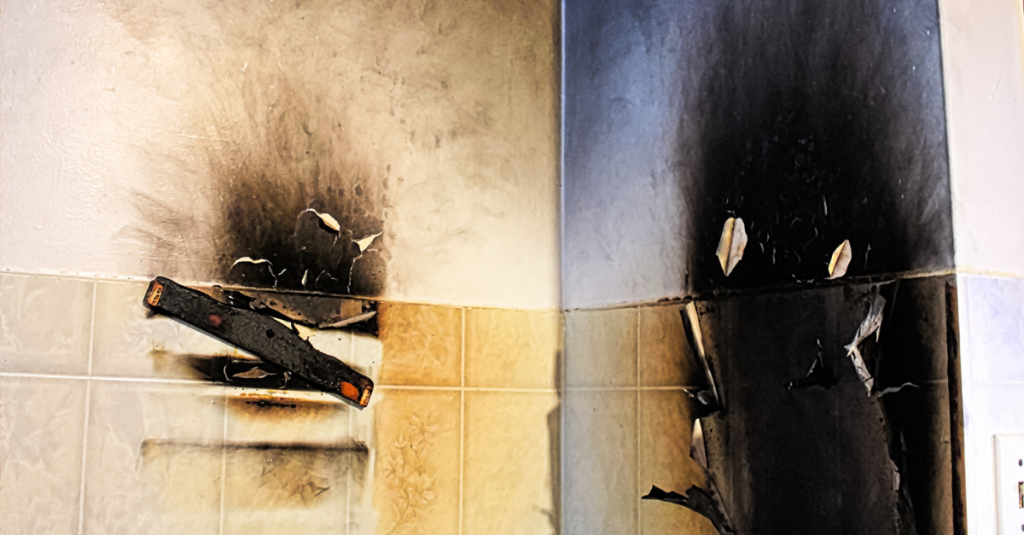
- Protein residue. Kitchen fires leave a thin, yellowish film that is hard to see and holds odor after the walls look clean. It tends to coat cabinets, walls, and ceilings.
- Residue in the HVAC system. If the air handler was running during the fire, it can pull smoke into the ductwork. ANSI/IICRC S590-2023 sets out how to assess HVAC systems after a water, fire, or mold event. Keep the system off until it has been checked.
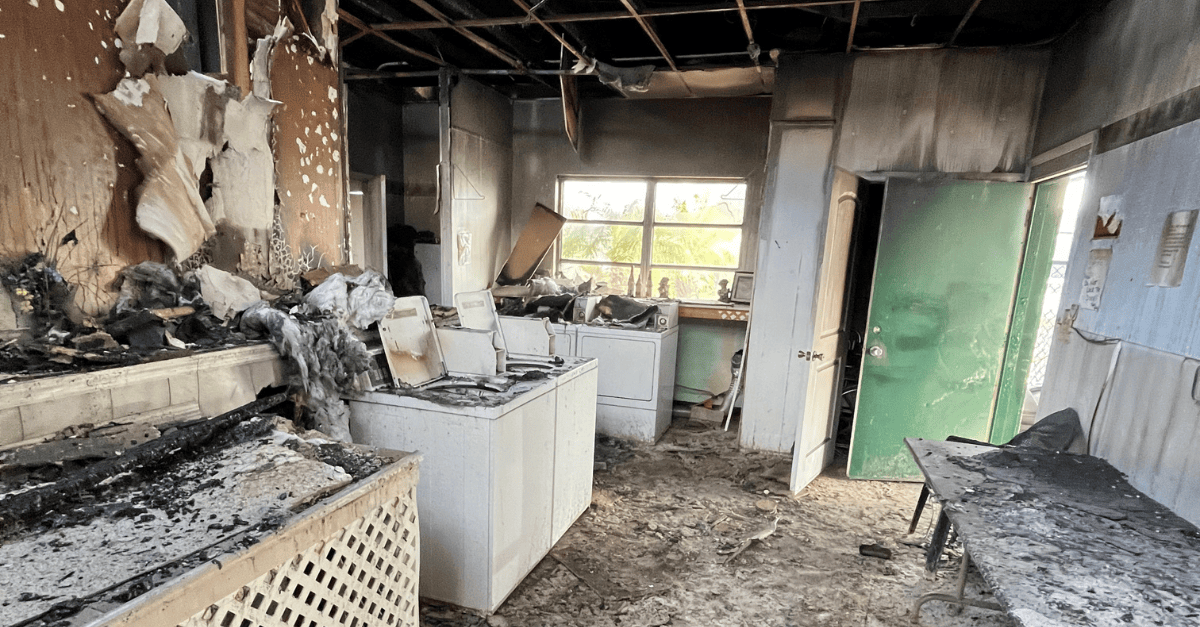
Odor control starts with removing the source, which means taking out charred and soaked materials first. Air scrubbers with HEPA filtration then capture airborne particles, and smoke odor removal with thermal fogging or ozone treatment addresses the odor that remains. Charred framing that stays in place needs cleaning and an odor-blocking primer before new drywall goes up.
How Local Humidity Changes the Order of the Work
Firefighting water causes its own damage. When hose lines soak drywall, insulation, and flooring, the job needs early water extraction and structural drying. It is the same work behind our water damage restoration in Tampa.
Mold growth can begin within 24 to 48 hours on wet materials in Tampa Bay humidity. That is why we remove water before cleaning soot on our fire jobs, and why we log moisture readings daily until the structure reads dry. If mold has already started, our mold remediation crews seal off the area and remove colonized material under HEPA filtration.
Soot is acidic, and moisture accelerates the damage. Residue can begin corroding metal fixtures and appliances and etching glass and grout within hours, so we move those surfaces to the front of the cleaning order.
Much of the housing in Tampa’s core neighborhoods is concrete block on slab. Firefighting water travels sideways along the slab and wicks up into drywall and baseboards, where it can hide behind paint that looks dry. Calibrated moisture meters find that hidden water.
After a hurricane, fire and saltwater damage often arrive together, and the job overlaps with storm damage restoration. Surge water is contaminated, so soaked drywall, insulation, and carpet come out rather than drying in place, and crews clean salt residue along with the soot.
Our Process for Fire Damage Restoration in Tampa, FL
Every job follows the same sequence, scaled to the fire’s size and how far it spread. For the cleaning stages, the IICRC’s ANSI/IICRC S700 standard, published in January 2025, sets out a standard of care from assessment through post-restoration evaluation. Reconstruction falls outside that standard and follows the building code and permit process.
Scene release and assessment Tampa Fire Rescue covers the city, and Hillsborough County Fire Rescue covers unincorporated areas such as Town ’N’ Country. Once firefighters release the property, we assess smoke spread, water, and structural damage. For questions about the fire report, Tampa Fire Rescue lists its Fire Investigations line as (813) 274-7000.
Securing the property We board up broken windows and doors and tarp exposed roof areas to keep rain and intruders out while the claim moves forward.
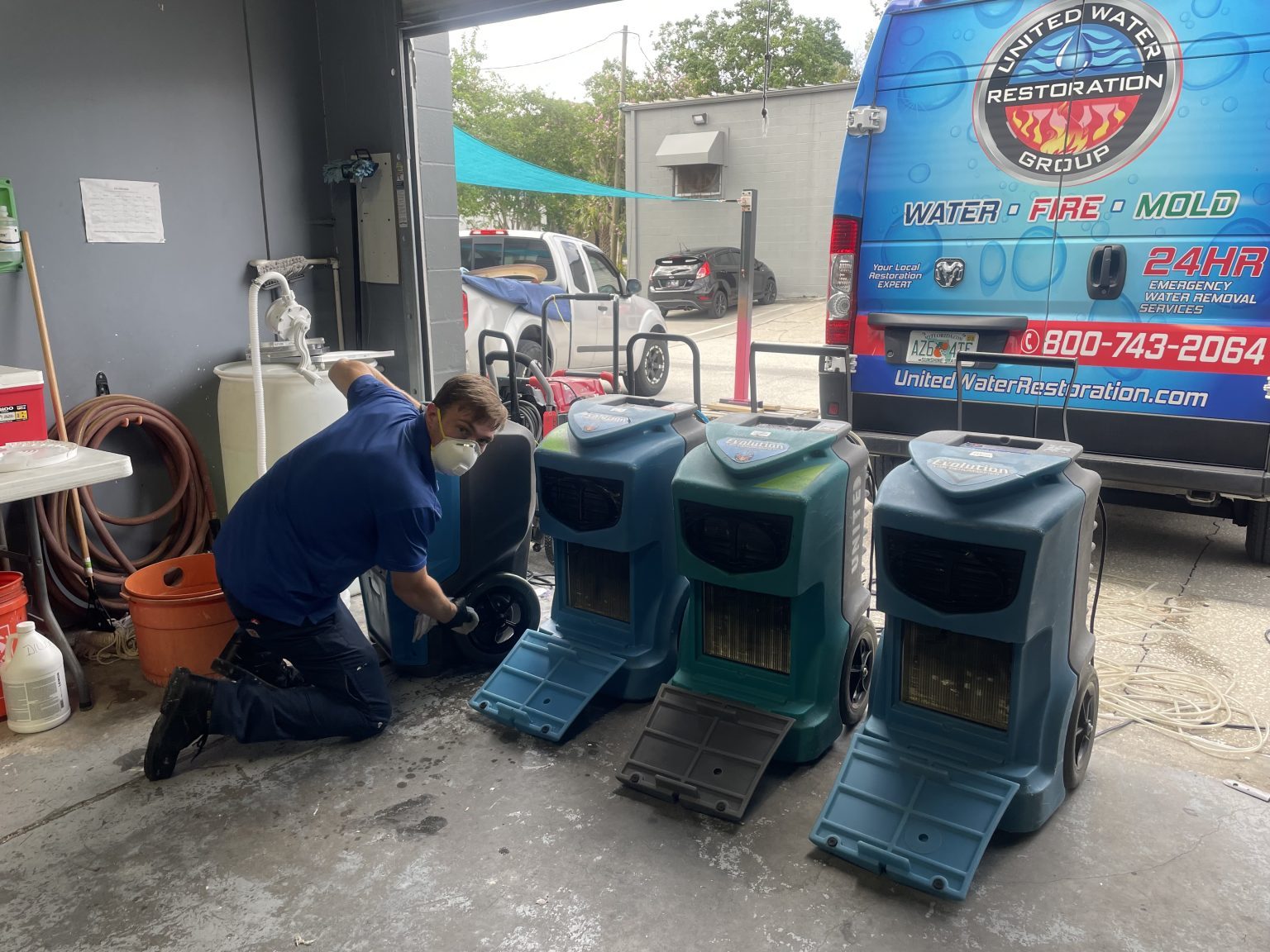
Water removal and drying Extraction equipment and industrial dehumidifiers remove firefighting water, and daily moisture readings show when the structure is dry.
Smoke, soot, and odor cleaning Crews use specialized cleaning agents to remove residue from walls, ceilings, flooring, furniture, and personal belongings, then deodorize the structure.
Repairs and rebuild We remove and rebuild damaged drywall, insulation, flooring, and framing under our contractor license, with permits and inspections where the work requires them.
Final walk-through We walk the property with you, check for remaining odor, soot, and moisture, and hand it back once it is safe and clean.
Permits, Historic Review, and Code Upgrades for the Rebuild
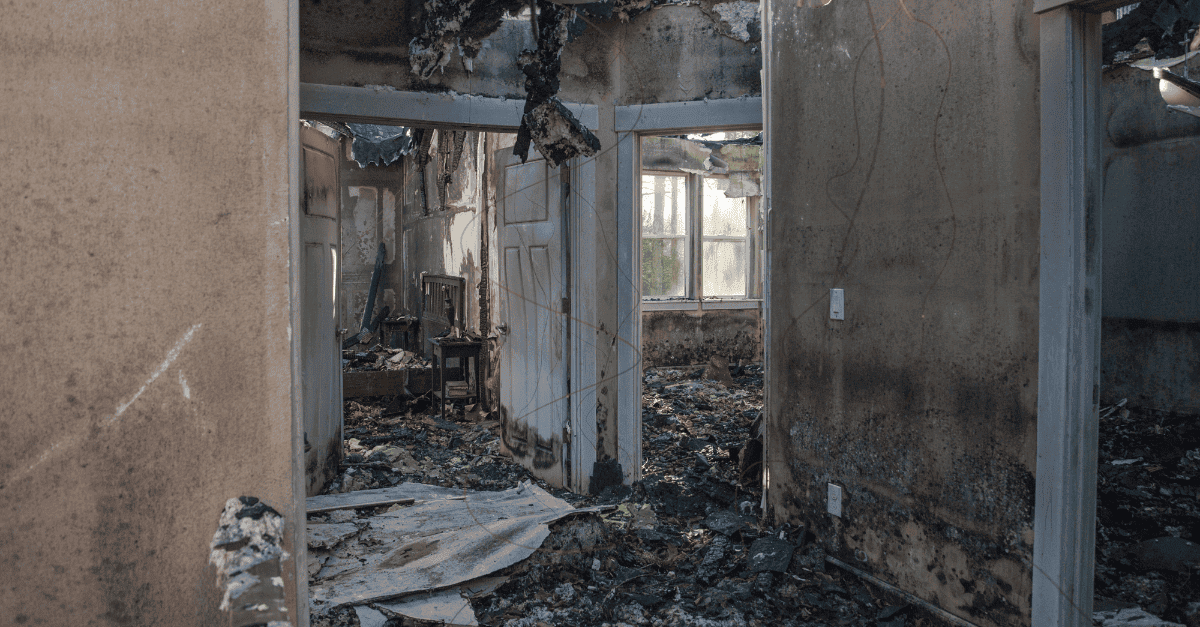
Once the structure is clean and dry, our reconstruction services replace what the fire destroyed, from drywall and insulation to framing, flooring, and roofing. Repairs must meet the edition of the Florida Building Code in force when the permit is issued.
Permits depend on the address. Inside city limits, permits run through the City of Tampa Construction Services Division and its Accela Citizen Access portal. Hillsborough County Development Services handles permits for unincorporated areas, meaning anywhere outside the cities of Tampa, Temple Terrace, and Plant City, through its HillsGovHub portal. Most repairs that affect structural, electrical, plumbing, or mechanical systems need a permit, and inspections follow each phase of the work.
Historic homes may add a review step. In the locally designated Hyde Park, Seminole Heights, and Tampa Heights historic districts, exterior changes visible from the public right-of-way, additions, and demolition need a Certificate of Appropriateness from the Architectural Review Commission. Properties in the Ybor City Historic District go to the Barrio Latino Commission. Interior drying and smoke cleaning are not exterior changes. If the fire damaged the roof, porch, or facade, check with the city’s historic preservation staff before exterior repairs begin.
Ask about law and ordinance coverage. Meeting current code can cost more than restoring a damaged section as it was built. Under Florida Statute 627.7011, a homeowners policy includes law and ordinance coverage for those costs at 25 percent of the dwelling limit unless the policyholder rejected it in writing, and policyholders can choose 50 percent. Ask your adjuster which limit your policy carries before the rebuild scope is final.

Filing a Fire Insurance Claim in Florida
Florida rewrote parts of its property insurance law in December 2022, and those changes affect how you report and manage a fire claim today.
Report the loss within one year. Under Florida Statute 627.70132, you must notify the insurer of a new or reopened claim within one year of the date of loss, and submit a supplemental claim within 18 months. Smoke damage in attics and closed rooms can surface later, so report early and add damage as the cleanup uncovers it.
We photograph the loss, log moisture readings daily, and issue a written scope so your adjuster has documentation to work from. We bill your insurer directly, and our insurance claim assistance works with all insurance providers, including State Farm, Allstate, USAA, and Liberty Mutual. Your policy terms determine coverage.
Fire Restoration for Businesses, Rentals, and Multifamily Properties
We restore fire damage in office and commercial buildings, hotels and multifamily apartments, industrial and manufacturing facilities, and retail stores and restaurants. For a business, downtime can cost more than the repair itself, so securing and drying the space quickly matters.
Property managers and landlords receive a written scope and photo record they can share with tenants and adjusters. For business properties, see our commercial fire restoration in Tampa.
One Contract From Mitigation to Rebuild
Fire jobs can split between a cleanup company and a separate builder, leaving the owner to coordinate both. We handle mitigation and reconstruction under one contract, with one point of contact.
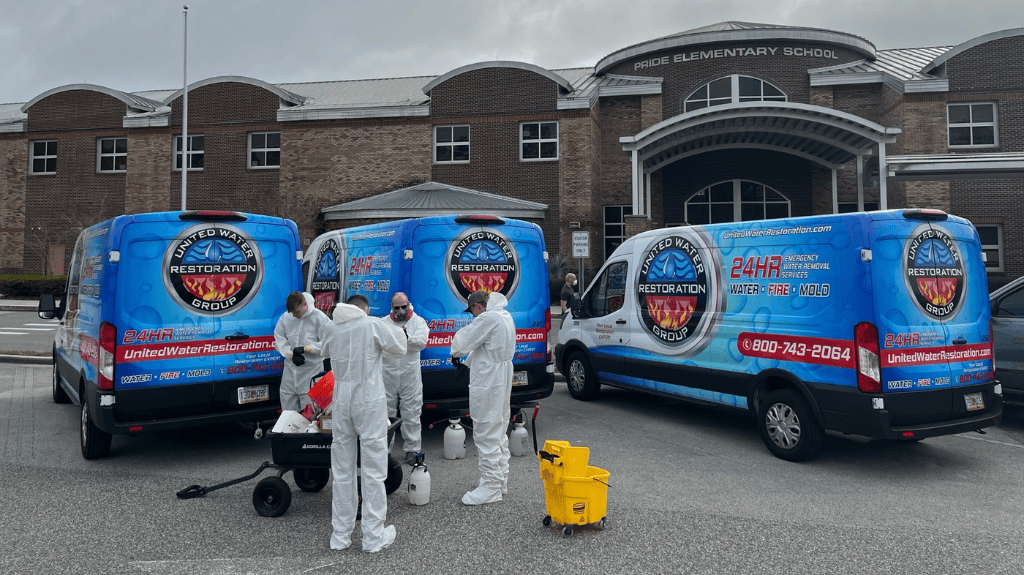
Our IICRC-certified technicians handle mitigation, and Certified Building Contractor License CBC1261128 covers the reconstruction. Fire damage restoration sits alongside water, mold, and storm damage work in the services we run from one office. That matters when a fire also leaves water and mold behind.
We hold a 4.9-star rating across 646 Google reviews. This branch is a locally owned and operated franchise of a national restoration network founded in 2008.
“Called on a Sunday and Doug was on site within hours.”
Denise P., Google review of a remediation job
Fire Restoration Across Tampa Neighborhoods and Nearby Communities
The type of house shapes the restoration plan, and housing varies from one neighborhood to the next.
Tampa itself, including South Tampa, and neighboring Town ’N’ Country sit closest to our base.
Older neighborhoods such as Hyde Park and Tampa Heights include century-old bungalows and Craftsman homes with wood framing, where smoke can travel through wall cavities.
Waterfront neighborhoods such as Davis Islands flooded during Hurricane Helene, and that is where saltwater damage and battery fires can overlap.
Outside city limits, we provide restoration services in Riverview and restoration in Valrico.
Fire Damage Questions From Tampa Property Owners
These answers cover safety, claims, storm-related fires, and cost.
What should I do in the first hours after a fire in Tampa?
Stay out until the fire department releases the property. Leave the power off until a licensed electrician checks any wiring exposed to fire, heat, or water, and keep the air conditioning off to prevent soot from spreading. Do not wipe soot, because wiping smears it. Then notify your insurer and call us for board-up and water removal.
Can I sign my fire claim over to a restoration company in Florida?
Not under a newer policy. Florida Statute 627.7152 voids assignment of benefits agreements under residential and commercial property policies issued on or after January 1, 2023. You remain in control of the claim. We document the damage and bill your insurer directly, so you get paperwork support without handing over the claim.
Can a fire start days after a hurricane floods the garage?
Yes. Federal officials warn that electric vehicle batteries submerged in saltwater can catch fire hours or even weeks later. After Hurricane Helene, local officials told residents to move saltwater-exposed electric vehicles and golf carts at least 50 feet from their homes. If a battery fire has already damaged your garage, call us before anyone handles the debris.
How much does fire damage restoration cost in Tampa?
Cost depends on how much of the structure burned or was smoke-damaged, the type of residue, how much firefighting water soaked in, and whether the framing or roofing needs rebuilding. An accurate estimate requires an on-site inspection. Covered losses go through your insurer, and you can review our payment options for anything else.
Start the cleanup now. Call (813) 738-6130 at any hour. A crew from our West Waters Avenue office will secure the property, remove the water, and prepare a written scope for your adjuster.
Visit Our West Waters Avenue Office
Our Tampa office is open 24 hours for emergency calls.
United Water Restoration Group of Tampa
- Address: 4897 West Waters Ave. Suite #D, Tampa, FL 33634
- Phone: (813) 738-6130
- Hours: 24/7 emergency service
- License: Certified Building Contractor CBC1261128