


Few appliance leaks announce themselves. A fitting behind the washer or a supply line behind the refrigerator lets out a small, steady trickle. Nearby flooring and drywall absorb it long before a stain shows.
Most calls to United Water Restoration Group of Tampa come from everyday failures, not hurricanes, and several of the usual culprits are appliances. Much of the housing near our Waters Avenue office is concrete block on a slab. In those homes, a hidden leak spreads outward under the flooring, and the wet area is often larger than the stain that eventually gives it away.
Catching that spread early is why so many homeowners turn to the best water damage restoration company in Tampa, FL the moment they notice a soft spot or a musty smell. A quick call means the moisture gets traced, dried, and documented before it reaches the framing.
Which Appliances Are Most Likely to Leak
Washing machines. One of the most common sources of appliance related water damage, usually due to a worn supply hose or a connection that has loosened over time.
Dishwashers. Another frequent culprit, often leaking slowly around door seals or supply lines that sit tucked away under a cabinet where nobody checks regularly.
Refrigerators with built in water and ice dispensers. The water line running to them can develop a small leak that drips steadily behind the unit for a long time before it becomes visible.
Water heaters. Particularly older units, where a slow leak from the tank itself can go unnoticed until a puddle finally becomes large enough to see.
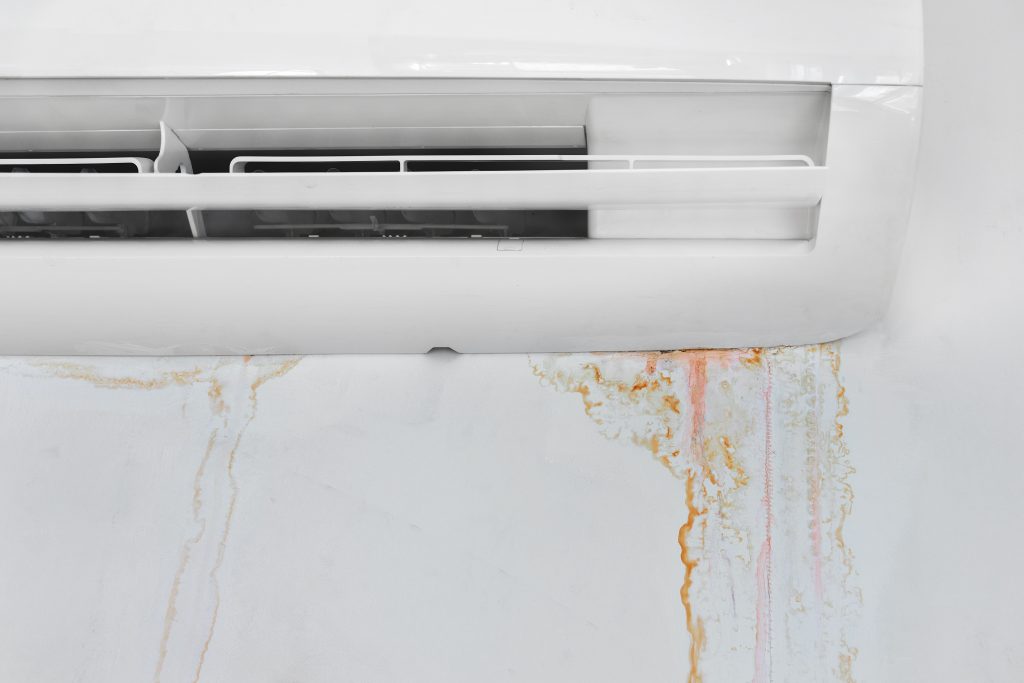
Air conditioning units. A clogged condensate line can cause water to back up and overflow inside a closet, attic, or air handler closet. Because this type of leak is tied to routine maintenance rather than an obvious plumbing connection, it is one that homeowners are especially likely to overlook.
How a Slow Drip Turns Into Structural Damage
A burst hose gets noticed fast when someone is home. A drip does not. It releases water slowly enough for flooring and drywall to soak it up.
From the room, everything can look normal for weeks while the material underneath stays saturated, which is why water damage restoration on an appliance leak usually covers more square footage than the homeowner expected.
How far that water spreads depends on the floor it lands on:
- On a concrete slab: There is typically no wood subfloor to rot. Instead, water moves under tile, laminate, or wood flooring and wicks into baseboards and the bottom of the drywall.
- On an upper floor: It soaks the wood subfloor and can come through the ceiling of the room below.
Cabinets take their own share of the damage. Builder grade cabinet boxes are commonly made from particleboard, which swells as it absorbs water and seldom returns to its original shape. So a sink base that feels soft or bulges near the dishwasher can be an early sign of a leak.
Time works against all of these materials. EPA guidance calls for drying wet building materials within 24 to 48 hours to prevent mold growth.
A hidden leak blows past that window before anyone knows it exists. Humid indoor air also slows evaporation, so drywall and framing can hold moisture for days after the surface feels dry.
Noticed a swollen sink base or a puddle by the air handler after a long Tampa summer? Give us a call at (813) 696-0500, and we’ll get the area dried out before mold gets a head start.
What Long Term Appliance Leaks Can Do to a Home
Given enough time, a slow appliance leak can cause damage that goes well beyond the immediate area around the unit. Flooring can warp or buckle, subflooring can weaken to the point of needing replacement, and cabinetry near the leak can swell or become damaged if it stays in contact with moisture for an extended period.
In more serious cases, water can travel far enough to affect adjoining rooms, particularly if the leak is happening on an upper floor or if flooring materials allow water to spread laterally before it is noticed. Insurance claims for leaky pipe damage hinge on how quickly the loss was reported and documented, so a call made at the first sign of moisture protects the claim as well as the house.
Combined with Tampa’s humidity, which slows natural drying, these slow leaks create ideal conditions for mold to develop in places that are not easily visible during a normal walkthrough of the home.
Baseboards and drywall near an appliance can also absorb water long before any staining shows on the visible surface, which means the damage discovered once a repair begins is often more extensive than what prompted the homeowner to call in the first place.
Warning Signs Homeowners Should Watch For
A few simple habits can help catch appliance leaks before they turn into major repairs. Checking behind and underneath washing machines, dishwashers, and refrigerators every few months, even briefly, can reveal early signs of moisture that would otherwise go unnoticed.
These are all worth investigating right away:
- A slightly warped section of flooring near an appliance
- A faint musty smell in a utility room
- Cabinetry that feels soft near the base
- An unexplained increase in a water bill, since a slow leak can add up in water usage even if it is never visibly seen
Caught at that stage, a few days of water damage equipment in the room is usually all it takes. None of these signs guarantee a serious problem, but they are worth checking rather than dismissing, especially in a humid climate where small leaks tend to cause outsized damage over time.
Homeowners across Tampa, Clearwater, Brandon, Safety Harbor, Carrollwood, and Town ‘N’ Country deal with the same humid conditions, so this habit of periodic appliance checks is worth keeping up regardless of which part of the Tampa Bay area a home is located in.
How Professional Restoration Addresses This Type of Damage
When an appliance leak has been going on long enough to cause real damage, addressing it properly involves more than just fixing the appliance itself.
The affected flooring, subflooring, and any nearby cabinetry need to be assessed for how much moisture they have absorbed, since materials that have been wet for an extended period often need to be removed rather than dried in place.
Moisture detection tools play an important role here as well, since a leak that has been active for months can spread further than it appears on the surface.
Properly identifying the full extent of the damage, rather than treating only the visibly affected area, is what prevents a homeowner from dealing with the same problem again a few months down the line in a slightly different location.