


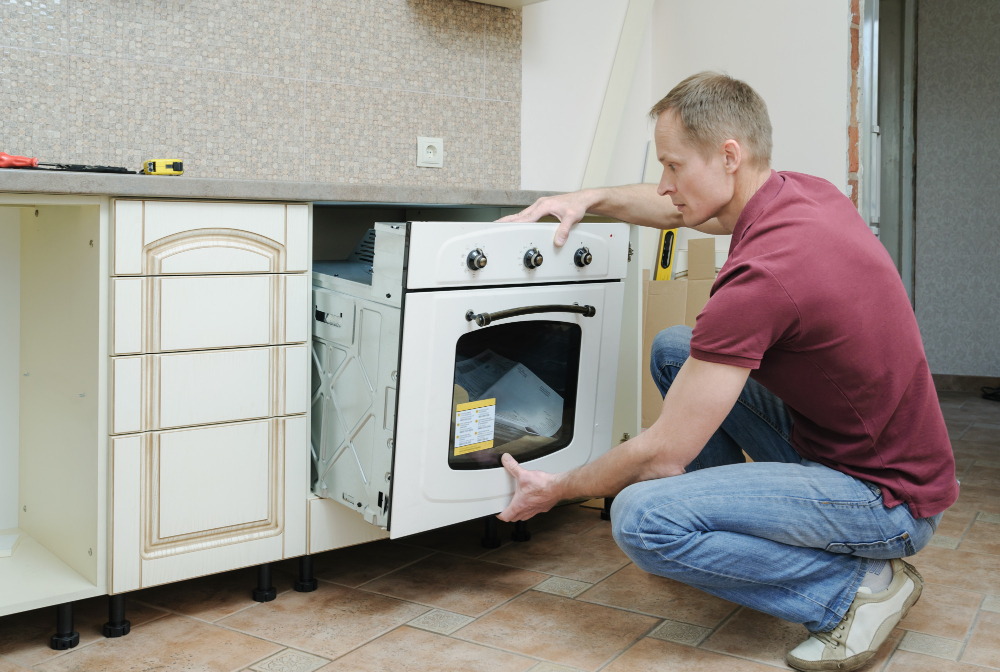
Appliance leaks cause damage because the failure points sit behind or underneath the unit. Water soaks into cabinetry and subfloor for weeks before anything shows at the surface. A supply hose, a drain pan, a door seal or a condensate line gives way quietly.
The first visible evidence is usually buckled flooring rather than water. Our crews at United Water Restoration Group of Daytona Beach deliver expert water damage restoration services across Volusia and Flagler County. The appliance calls we take are rarely about the appliance itself, but about what sat wet underneath it. Pull your washing machine forward this month and run a dry hand along the back of the hoses.
Which Appliances Actually Fail, and Where
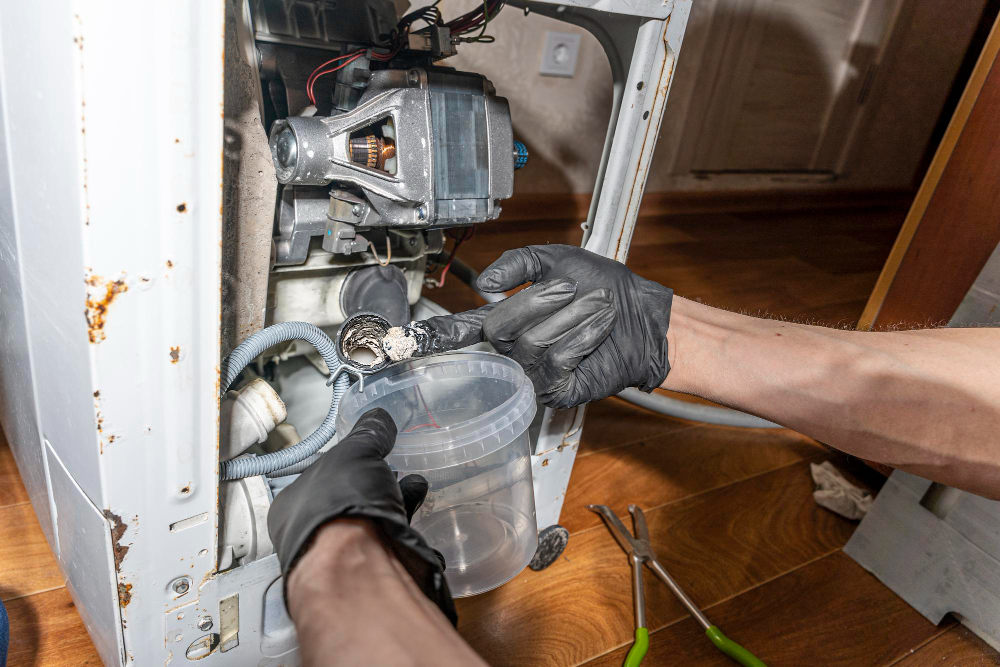
Washing machines head the list by a wide margin. Their supply hoses stay under full household pressure every hour, whether the machine is running or not. A hose past its useful life lets go at the crimp.
A failure at two in the morning puts hundreds of gallons through a laundry room before anybody notices. Water heaters fail differently. A corroded tank usually seeps from the bottom rather than bursting, so damage accumulates slowly in the closet or garage around it.
Refrigerators with ice makers cause more calls than their size suggests. The plastic supply line runs behind the unit, and nobody moves a refrigerator. A pinhole leak will feed the subfloor under the cabinets for months.
Dishwashers leak at the door gasket and at the drain connection. Both of those drip into the cabinet base rather than onto the kitchen floor where you would see it. Air handlers belong on this list too, since a blocked condensate line in a Florida attic sends water through the ceiling below.
Why Slab Construction Changes What Happens Next
Almost nothing in this area has a basement, and that single fact changes the path water takes. Water released at floor level has nowhere to drain.
It spreads sideways beneath tile, laminate and engineered flooring instead. It then wicks upward into drywall and cabinet kicks through capillary action.
| Appliance | Common failure point | What it usually soaks |
|---|---|---|
| Washing machine | Supply hose at the crimp | Laundry floor, adjoining wall base |
| Water heater | Corroded tank, pressure valve | Closet subfloor, garage slab |
| Refrigerator | Ice maker supply line | Subfloor beneath cabinets |
| Dishwasher | Door gasket, drain connection | Cabinet base, adjacent flooring |
| Air handler | Blocked condensate drain | Ceiling and insulation below |
The visible wet patch is almost never the real footprint of the loss. Our technicians map the area with thermal imaging and meters before deciding what comes out. Coastal humidity compounds all of it. A wall cavity sitting at seventy percent ambient humidity does not dry on its own.
Running a fan in the room for a week changes nothing. A surface that feels dry can still read wet on a meter. That gap is why appliance leaks so often turn into water damage behind walls that nobody connects back to the dishwasher.
The Signs of a Slow Appliance Leak
Slow leaks announce themselves through the building rather than through water. Our technicians ask about these when a homeowner describes something that feels wrong but cannot be located.
- Flooring that cups, lifts at a seam or feels springy near an appliance.
- A toe kick darker at the bottom edge than it is higher up.
- A musty smell in a kitchen or laundry room that returns after cleaning.
- A water bill that climbed with no change in household use.
- Warm or damp air around a water heater closet.
Any of those warrants a reading rather than a guess. A moisture meter settles in minutes what can otherwise go unresolved for a year.
Knowing the answer early is the difference between replacing a hose and replacing a floor. The tools that produce that answer are covered in the equipment used during water damage restoration.
Found one of these and cannot locate the source? Call at (386) 233-7080, our certified technicians take readings across the area 24/7, and the on site assessment costs nothing.
What Insurance Usually Covers, and What It Does Not
Carriers tend to treat appliance leaks as two separate questions. Sudden and accidental failure, such as a supply hose bursting, is commonly covered under a standard homeowners policy.
Gradual seepage that went unnoticed for months frequently is not. Carriers treat that as a maintenance failure, and the distinction is where most appliance claims are won or lost.
Documentation decides which category a loss lands in, so we photograph the failure point and record moisture readings across the affected materials. The drying progression is logged daily, and the adjuster receives a file that establishes cause and timeline rather than opinion.
We bill carriers directly where the policy allows, including State Farm, Allstate, USAA, Liberty Mutual and Travelers. Ask your adjuster about matching coverage early, since it decides whether a damaged floor gets patched or replaced across the run.
How Our Crews Handle an Appliance Loss
The technician starts by finding the actual extent rather than the obvious part. Readings come first, then thermal imaging across the floor and the adjoining wall base. A decision follows about which materials dry in place and which come out.
Cabinet kicks and particleboard cabinet bases rarely recover once saturated. Tile over a dry slab usually does, and the meters settle that question rather than a general rule.
Drying follows, with containment, air movers and dehumidifiers running until readings hit dry standard. Once the structure is dry, the rebuild puts the room back. That often means cabinetry, flooring, baseboards and paint matched to what was there.
Our reconstruction services handle that phase with the same team that did the demolition. One crew across both phases keeps the scope consistent from the first reading to the final walkthrough.
What Prevents the Next One
Appliance failures are predictable in a way storms are not. That makes them worth a few minutes of attention twice a year. Replace rubber washing machine hoses with braided stainless lines, and note the date somewhere you will find it again.
Pull the refrigerator out far enough to see the supply line. Mineral crust at the fitting is the tell before a pinhole becomes a leak.
Water heaters deserve a look at the base and the pressure relief valve. Rust streaking down the tank means it is already failing. Run a cup of water through the condensate line on the air handler before summer, and check the drain pan underneath it.
None of this is complicated work, and it costs less than one night of a hose letting go behind a laundry wall.
Frequently Asked Questions
Which household appliances are most likely to leak?
Washing machines are the most common source, since their supply hoses stay under full water pressure at all times. Water heaters, refrigerators with ice makers, dishwashers, and air handlers round out the list. Each has a familiar point to watch: washer supply hoses, the base of the water heater tank, the refrigerator’s ice maker line, the dishwasher’s door gasket and drain connection, and the air handler’s condensate drain. Knowing these spots makes it easy to keep an eye on them and catch small issues early.
How can I tell if an appliance is leaking slowly?
Your home often gives helpful clues. Look for flooring near an appliance that cups, lifts at a seam, or feels springy, a toe kick that looks darker at the bottom edge, or a musty smell in the kitchen or laundry room that returns after cleaning. A higher water bill with no change in usage, or warm, damp air around a water heater closet, are also worth checking. Our technicians can confirm the source quickly with moisture meters and thermal imaging, giving you clear answers in minutes.
Will my homeowners insurance cover water damage from an appliance leak?
Sudden and accidental failures, such as a burst supply hose, are commonly covered under standard homeowners policies. Clear documentation helps your claim move forward smoothly, so we photograph the failure point, record moisture readings, and log drying progress daily. We also bill carriers directly where the policy allows, including State Farm, Allstate, USAA, Liberty Mutual, and Travelers. It’s helpful to ask your adjuster about matching coverage early so you know how your flooring will be restored.
What happens when your team handles an appliance leak?
Our process is thorough and easy to follow. We begin by mapping the full extent of moisture with meters and thermal imaging, then determine which materials can be dried in place and which should be replaced. Next, we set up containment, air movers, and dehumidifiers until readings reach dry standard. Finally, our reconstruction team restores your cabinetry, flooring, baseboards, and paint to match the original. One crew guides your project from the first reading to the final walkthrough for a consistent, seamless experience.
Our team handles appliance losses across Daytona Beach and Ormond Beach every week. Get us a call (386) 233-7080, and certified technicians dispatch 24/7, the assessment is free, and we carry the job from extraction through the rebuild.