




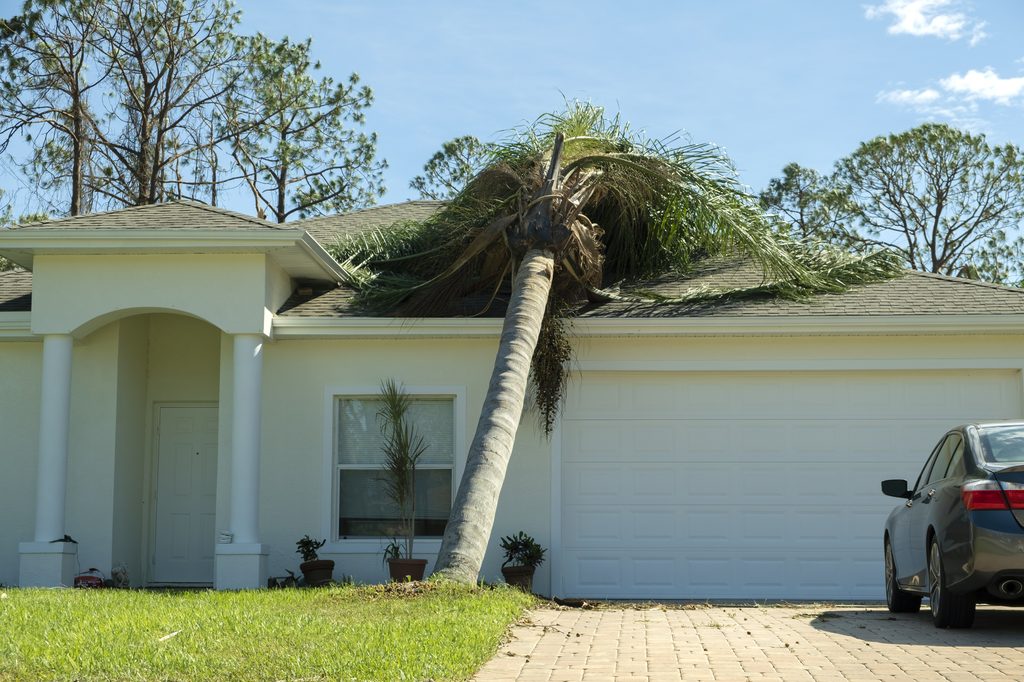
After a storm rolls through Polk County, most homeowners check the obvious spots first: the roof, the windows, maybe the garage. Water damage rarely stays where it started, though, and a storm that dropped several inches of rain over Lakeland can leave moisture in places a homeowner would never think to look.
Walking through a property with a clear plan makes it far easier to catch a problem while it is still small. An expert water damage restoration company can spot the hidden moisture a quick walkthrough misses, so bringing one in early saves both the repair bill and the stress. Below is a room by room look at the areas that tend to get overlooked, along with what to look for in each one.
Start in the Attic and Along the Roofline
Heavy or sustained rain tests the roof before anything else, and the attic is the quickest place to see whether it held.
Work a flashlight along the underside of the roof decking, especially around plumbing vents, skylights, and chimneys, where flashing often lets water through. Dark streaks on the wood, damp insulation, or a musty smell all point to water that got past the roofing.
Look closely at the insulation, not just the wood above it. Batts that are matted down or discolored have already absorbed water, even if the decking has since dried. Decking that feels soft when pressed from below may be saturated, or it may point to an older leak that the storm made worse.
An opening in the decking or daylight around a vent means the roof needs covering before more rain arrives. Storm damage restoration starts here, and our crews handle emergency roof tarping and board ups to keep new water out while drying begins inside. Drying equipment cannot keep up with a roof that is still letting water in.
Windows, Door Frames, and Exterior Walls
Wind can push rain through gaps around windows and doors that stay dry in an ordinary shower. Begin on the side of the house that took the most wind, checking window trim for:
- Soft spots
- Peeling paint
- Wood that looks slightly swollen
Water that gets past a window tends to collect at the lower corners of the frame and in the drywall just below the sill.
Exterior doors need the same check at floor level. Look for darkened wood at the base of the frame, a threshold that has lifted, or flooring near the door that feels damp.
A wet patch farther along the wall may have come from an opening several feet away. Trace it back toward the nearest window or door before deciding where the leak started, since plumbing failures & water damage inside the wall can look identical to a storm leak from the room side.
Turned up a damp wall or a musty garage while walking your Lakeland home after the storm? Give us a call at (863) 333-9865, and we will map where the water traveled before it reaches the rooms next door.
The Garage and Other Ground Level Entry Points
Garages often sit a step below the living space, which leaves them more exposed when heavy rain turns into runoff. Any water that pooled may already have soaked into the concrete, cardboard boxes, and particleboard shelving before anyone checks.
A floor that looks dry is not proof the garage stayed dry, and this room is where the most overlooked water damage in a Lakeland home tends to sit.Pull stored items away from the walls and check the bottom of anything resting on the floor. Give the wall shared with the house the most attention.
Drywall wicks water up from its base and can carry moisture toward the room on the other side. Sliding glass doors and patio entries face the same runoff, so check their tracks and the flooring beside them too.
Flooring and Baseboards Throughout the Home
Carpet, laminate, and vinyl plank can look normal while water sits underneath them. Walk the rooms along exterior walls and any low spots in the house, pressing down every few feet and feeling for give or a spongy texture. Laminate that has started to cup or lift at the seams is another sign that moisture reached the boards.
Baseboards often show trouble before the floor does. A new gap at the wall or a bottom edge that has swelled or split usually means water has been sitting against it for a while. Where the baseboard and the flooring beside it are both damaged, check the wall behind them for moisture before assuming the damage stops at the trim.
The press test has limits in Lakeland, where much of the housing sits on concrete slabs. Tile and glue down vinyl laid over concrete may not feel spongy at all with water underneath, and a slab holds that moisture longer than a raised floor.
Behind Appliances and Under Sinks
Not every leak found after a storm came from the storm. A long power outage can leave a freezer or ice maker dripping melted ice onto the floor.
A washer hose or water heater that was already seeping can also surface the same week and get blamed on the weather. Check these spots for stains, warped cabinet floors, or a damp smell:
- Behind the refrigerator
- Around the washer and water heater
- Under every sink
Sorting out the source matters for more than the repair. Insurance carriers look closely at whether water damage happened suddenly or developed slowly, and that answer can change how a claim is handled. Documenting the loss with photos as soon as our crews arrive gives the adjuster a clear record to work from.