


Hardwood floors add a lot to a home, but they are also one of the more sensitive materials once water gets involved. Most people don’t realize how quickly things can go wrong. A bit of standing water, maybe from a slow leak or a sudden spill, can start warping boards within hours.
Knowing how water actually affects hardwood helps Tampa homeowners figure out which steps matter most, instead of just waiting to see what happens. An experienced water damage restoration team can also help you move fast before the damage spreads further than it needs to.
Why Hardwood Floors Are Especially Vulnerable to Water
Wood is a natural material that absorbs and releases moisture constantly, which is part of what makes it responsive to changes in humidity and temperature throughout the year. This same quality that gives hardwood its character also makes it vulnerable when it comes into contact with standing water or high moisture for an extended period of time.
Unlike tile or vinyl, hardwood does not have a waterproof surface protecting it from moisture underneath. Water can be absorbed through the seams between boards, through the finish if it has worn down in certain areas, or from underneath if moisture is coming from a subfloor issue rather than a spill on the surface above it.
This is one reason prompt water damage restoration matters so much for hardwood, since moisture can spread underneath boards long before it becomes visible on the surface.
Cupping, Crowning, and Other Early Warning Signs
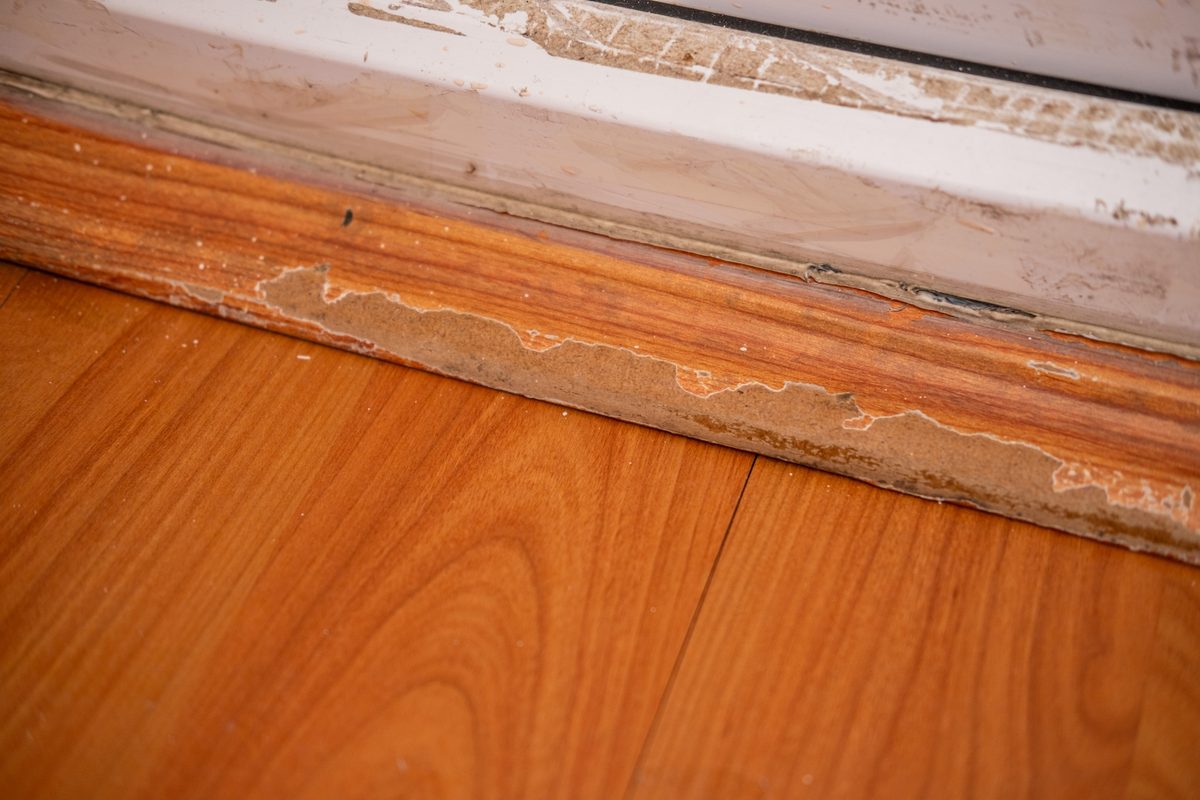
Cupping is one of the most recognizable signs of water exposure in hardwood floors, where the edges of each board rise higher than the center, creating a slightly concave shape across the surface. This happens because the bottom of the board absorbs moisture and expands before the top does, changing the wood's shape over a short period of time.
Crowning is a related issue in which the center of the board becomes higher than the edges, often occurring after cupped boards have been dried too aggressively or after moisture has fully worked through the wood. Other early signs include gaps between boards that weren't there before, a slightly soft feeling underfoot, or discoloration that wasn't present before the water event.
These changes are not always limited to the exact spot where the water landed. Boards near the affected area can shift slightly as the wood expands, which is why a full room, not just the visibly wet section, should be checked once any of these signs appear.
Catching these signs early, along with a few simple DIY prevention tips like wiping up spills quickly and keeping indoor humidity steady, can make the difference between minor swelling and boards that need to come up.
Noticed cupped boards or a musty smell along a wall in your Tampa home this season? Call United Water Restoration Group of Tampa at (813) 738-6130, and our IICRC-certified crew will take a look before more of the floor needs to come up.
How Long Hardwood Can Be Exposed Before Damage Sets In
Hardwood floors do not need to sit in standing water for long before changes begin. Depending on the finish and wood type, visible swelling or early cupping can start within hours in severe cases, while a smaller amount of moisture may take a day or two to show noticeable effects on the surface.
This is part of why a fast response matters as much for flooring as it does for walls or ceilings. In Tampa Bay's humidity, mold can start growing within 24 to 48 hours once material stays wet, which raises the stakes for hardwood since moisture often collects under the boards where it is not visible.
The longer water sits on or under hardwood, the more likely the boards will need significant refinishing or full replacement rather than a simpler drying and restoration process that preserves the original material.
When Hardwood Can Be Saved Versus When It Needs Replacement
Whether hardwood can be dried and saved depends on several factors, including how long the water was present, how much moisture the wood absorbed, and whether the subfloor underneath was also affected.
In many cases, if the response is quick, an IICRC-certified technician can dry the flooring in place using air movers, dehumidifiers, and calibrated moisture meters to confirm the wood and subfloor are dry before the job closes out.
If boards have already begun to warp significantly, separate from the subfloor, or show signs of mold underneath, replacement is usually the safer option rather than attempting to salvage material that may not return to its original condition. Our team assesses each situation individually, since the right decision depends heavily on how far the damage has already progressed by the time we arrive on site.
The type of wood and how it was originally installed also factor into this decision. Solid hardwood generally holds up a little better than engineered flooring in some situations, though both can be saved or lost depending on the amount of water involved and how quickly the response begins.
The Role of Humidity in Tampa Homes with Hardwood Floors
Tampa's humidity affects hardwood floor health even outside of a direct water event. Wood flooring naturally expands and contracts with seasonal humidity changes, and homes without consistent climate control can see more movement throughout the year than homes in drier climates elsewhere in the country.
After a water event, humidity in the surrounding air can slow the drying process for hardwood, since the wood tries to release moisture into air that may already be holding a lot of its own. Controlling humidity in the space during recovery matters as much as the drying equipment used directly on the floor.
Steps to Take If Water Reaches Your Hardwood Floors
If water reaches your hardwood floors, remove any standing water as quickly as possible, then increase air circulation if it is safe to do so. Avoid walking heavily across affected boards more than necessary, since pressure on wet wood can worsen warping when it's most vulnerable and easiest to damage further.
From there, having an IICRC-certified technician assess the flooring and subfloor gives you an accurate picture of whether the boards can be dried in place or need to be replaced.
United Water Restoration Group of Tampa handles the assessment, drying, and any rebuild under one Certified Building Contractor License (CBC1261128), so acting within the first day or two gives you the best chance of saving the original flooring rather than facing a full replacement once the damage has had time to fully set in.
Frequently Asked Questions
How do I know if my hardwood floor water damage is severe enough to call a professional?
If you notice cupping, crowning, soft spots underfoot, or a musty smell that persists more than a day, it is time to call a professional. These signs often mean moisture has reached the subfloor, which is not something you can assess accurately on your own.
Can water damaged hardwood floors be dried out instead of replaced?
Yes, in many cases. If the response is quick and the boards have not fully separated from the subfloor, an IICRC-certified technician can often dry the flooring in place using air movers, dehumidifiers, and moisture meters. The longer water sits, the lower the chances of saving the original material.
How much does hardwood floor water damage restoration cost?
Cost depends on how much square footage was affected, how long the water sat before extraction, and whether the subfloor also needs repair. A small area caught within hours costs far less than a multi-room loss discovered days later. United Water Restoration Group of Tampa provides an on-site assessment and a written scope before any work begins.
Does homeowners insurance cover hardwood floor water damage in Tampa?
Sudden, accidental water damage from an internal source, such as a burst pipe or appliance failure, is generally covered. Storm surge and rising water typically fall under a separate flood policy. Proper documentation, including photos and moisture readings, helps support your claim either way.
How quickly should I call a water damage restoration company after a leak?
As soon as possible. Visible swelling or cupping in hardwood can begin within hours, and mold can start growing in Tampa Bay humidity within 24 to 48 hours. Acting within the first day gives you the best chance of saving the flooring rather than facing a full replacement.
What areas does United Water Restoration Group of Tampa serve?
United Water Restoration Group of Tampa serves Hillsborough, Pinellas, Pasco, and Manatee counties. Every job, including hardwood floor assessment, drying, and any needed rebuild, runs under one Certified Building Contractor License (CBC1261128).
If water has already reached your hardwood floors, call United Water Restoration Group of Tampa at (813) 738-6130. Our IICRC-certified technicians serve Hillsborough, Pinellas, Pasco, and Manatee counties, and every job runs under Certified Building Contractor License CBC1261128, so drying and any rebuild stay under one contract.