


Mold can start growing in wet drywall, insulation, or carpet within 24 to 48 hours in Tampa's humidity. That's a pretty short window. Getting the water out and the structure drying within that first day is, honestly, the only real way to stay ahead of it. Every hour after that makes things harder.
As a trusted water damage restoration service provider, United Water Restoration Group of Tampa holds to that standard on every call. IICRC-certified technicians extract standing water, set commercial dehumidifiers and air movers, and confirm the structure is actually dry with calibrated moisture readings before the job is ever closed out. No guessing, just verified results.
Why Tampa's Climate Makes Mold Prevention Urgent
Tampa's heat and humidity keep indoor moisture elevated most of the year, even without a water event. Add a burst pipe, storm intrusion, or a slow leak, and materials that were already close to the edge tip over fast. A house in a drier climate might have several extra days before mold becomes a concern; here, that window is shorter.
United Water Restoration treats every Tampa water damage call as time-sensitive for exactly that reason, from the first assessment through the final moisture check.
The First 24 to 48 Hours Matter Most
Mold does not need long to get started. Damp drywall, wet carpet padding, and moisture trapped inside wall cavities can turn into a mold problem within a day or two if the area sits unaddressed.
Our crews get truck-mounted extraction equipment on site quickly, pull standing water, and start structural drying the same visit, which gives mold spores far less opportunity to establish. Delaying even a day can turn a straightforward drying job into one that also needs mold remediation, adding time and cost to the repair.
Drying the Structure Completely, Not Just the Surface
One of the most common DIY mistakes is drying only what is visible. A floor or wall can look dry within a few hours, while the subfloor, insulation, or the inside of a wall cavity stays damp far longer without the right equipment.
Our IICRC-certified technicians place commercial dehumidifiers and air movers to reach those hidden areas, using calibrated water damage equipment to take moisture readings throughout the process and confirm materials have returned to a normal level. Stopping the drying process early because a surface looks dry is one of the most direct paths to a mold problem showing up weeks later, often somewhere no one thought to check.
Noticing a musty smell or a still-damp spot days after a leak in your Tampa home? Give us a call at (813) 738-6130, and we will check it before it turns into a mold problem.
Materials That Often Need to Be Removed Rather Than Dried
Not everything affected by water damage can or should be dried and saved. The right call depends on the category of water involved and how long a material stayed wet:
| Material | Typical Outcome | Why |
|---|---|---|
| Wet carpet padding | Removed | Holds moisture and keeps feeding mold even after the visible water is gone |
| Saturated insulation | Removed | Loses its ability to insulate and traps moisture against framing |
| Drywall soaked more than 24-48 hours | Removed | Paper facing is a food source for mold once it has been wet that long |
| Solid wood framing and subfloor | Usually dried in place | Can return to a normal moisture level with the right equipment and time |
Our technicians assess each affected material individually rather than applying one approach to the whole space. Removing more than necessary adds cost. Drying something that should have been removed raises the risk of mold returning later.
Ventilation and Humidity Control During Recovery
Even after the structure is dry, humidity in the space still affects whether mold gets a foothold. Poor airflow, closed-up rooms, or a home left without air conditioning for an extended stretch can let humidity climb back up quickly in Tampa's climate, undoing some of the progress made during drying.
We recommend keeping air conditioning running consistently during recovery and avoiding sealing off the affected area completely, since trapped, stagnant air is exactly what mold prefers. These DIY prevention tips in the days following a water event can make a real difference in whether mold becomes a second problem layered on top of the original damage.
Signs Mold May Already Be Starting
Even with a fast response, it helps to know what early mold growth looks and smells like, since catching it early keeps remediation simple. Watch for:
- A musty odor that was not present before the water event
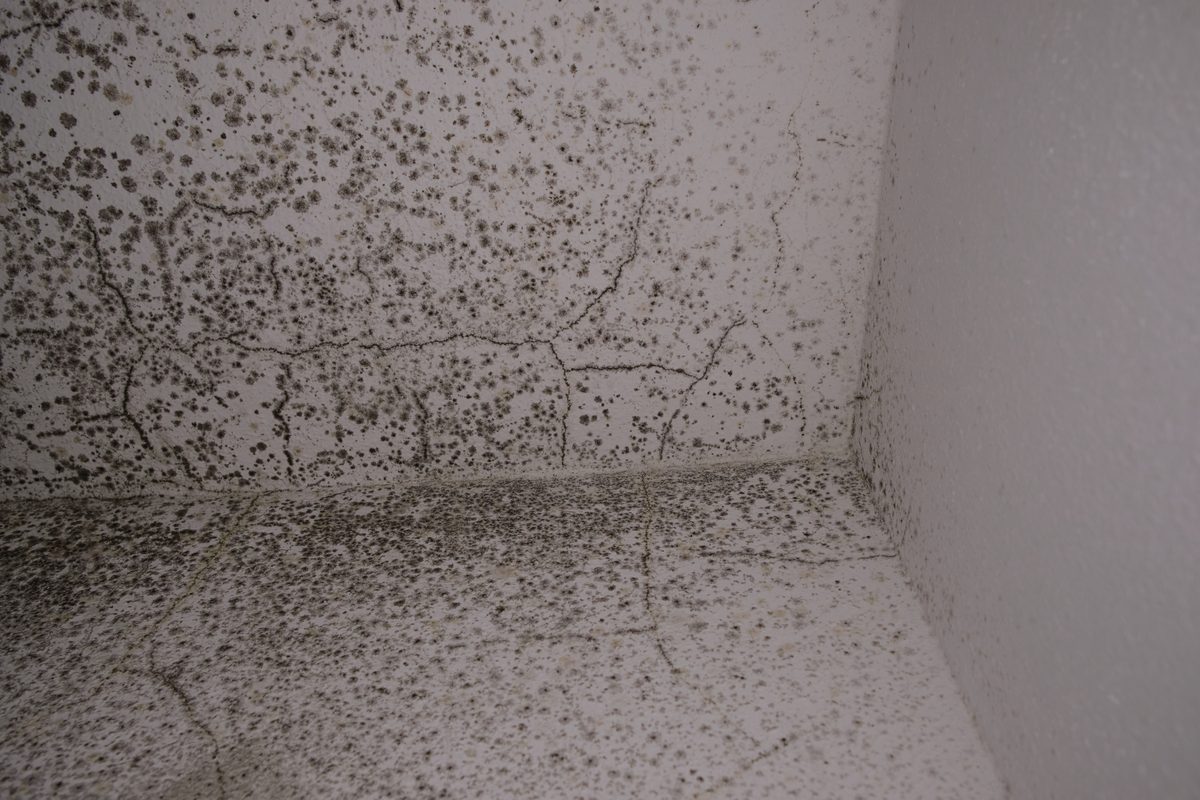
- Small dark spots on baseboards, drywall, or grout lines
- Dampness returning in an area that was already dried
- Discoloration or a soft, spongy feel on painted surfaces
- Visible fuzzy growth in corners or behind furniture
If any of these show up during or after drying, treating the area early is far easier than waiting until growth spreads. United Water Restoration factors this into every water damage response, checking previously affected areas as part of the process rather than considering a job finished the moment the structure feels dry.
Frequently Asked Questions
How long does it take for mold to grow after water damage in Tampa?
Mold can begin growing within 24 to 48 hours once materials stay wet in Tampa's humidity. That is why extraction and drying need to start the same day water damage happens, not once it becomes convenient.
Can I dry out water damage myself without causing mold?
Surface drying alone often is not enough. Subfloor, insulation, and wall cavities can stay damp long after a surface looks dry, so equipment that measures actual moisture levels, not just how a room looks or feels, is what prevents mold from developing underneath.
Does homeowners insurance cover mold caused by water damage?
Coverage depends on the source and how quickly the water was addressed. Ask any restoration company to document the loss with moisture readings and photos from day one, since that record is often what determines whether mold-related repairs are covered.
If your Tampa home has had a leak, storm intrusion, or any standing water in the last day or two, call United Water Restoration Group of Tampa at (813) 738-6130. We answer 24/7, dispatch a certified crew the same day, and handle extraction, drying, and mold prevention as one job under Certified Building Contractor License CBC1261128.