


Most residential drying in Tampa just takes three to five days once extraction is finished, and the repairs come as a separate phase after that. A single room of drywall and flooring usually adds another three to five days, and a multi-room rebuild can stretch into several weeks.
We are United Water Restoration Group of Tampa, and our IICRC-certified crews handle professional water damage repair in Tampa, FL from the first phone call through the final walk-through.
We photograph every job, log daily moisture readings, and write it into a scope before anyone starts cutting. That record often separates a claim that gets paid from one that gets argued over, and it’s worth asking about upfront. Ask any contractor to show you their moisture logs before you sign.
What Happens in the First Few Hours After You Call?
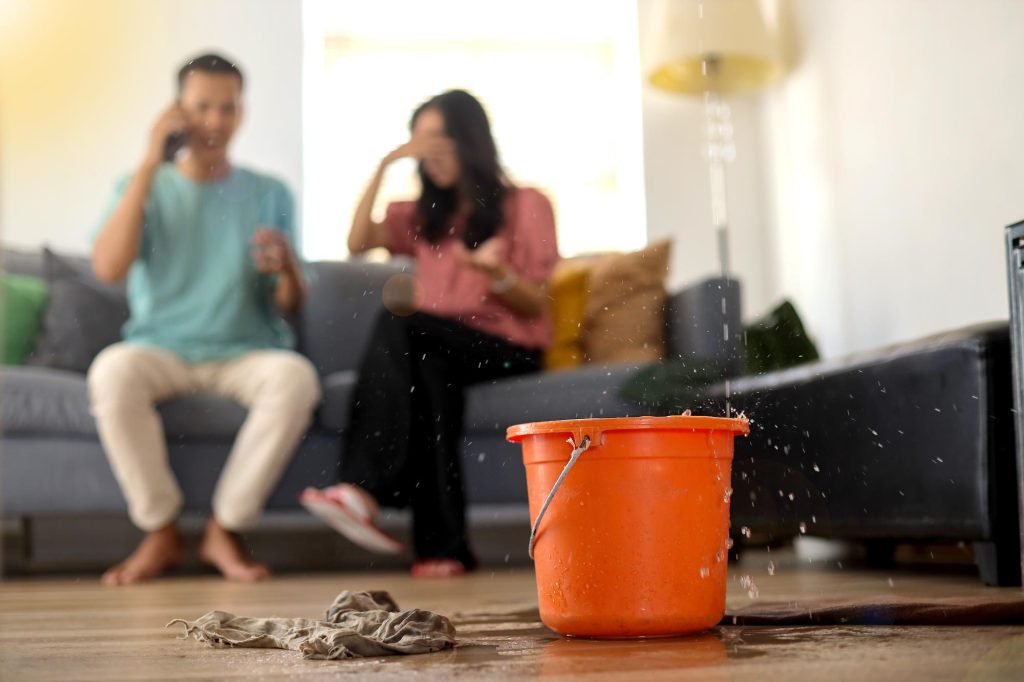
We answer the phone around the clock, and honestly, that first conversation is shorter than most people expect. We need the address, what kind of water it is (maybe a burst pipe, maybe an appliance leak), roughly how long it’s been running, and whether the source is shut off.
From there, a crew gets dispatched, and the person on the phone will usually walk you through shutting a valve or killing a breaker while they’re still on the line. Safety comes before assessment, so nobody’s asked to wade through standing water near an outlet just to check a reading.
When the crew gets there, the first thirty minutes go to the building, not the equipment. They confirm the source is stopped, check whether any circuit is sitting in water, and look for sagging ceilings or soft flooring that could give way underfoot.
Only after the property’s safe to move through does anyone start pulling water. Homeowners sometimes read that pause as slowness, but skipping it is kind of how a technician ends up stepping through a soaked ceiling.
Why Do Crews Map Moisture Before Anything Is Removed?
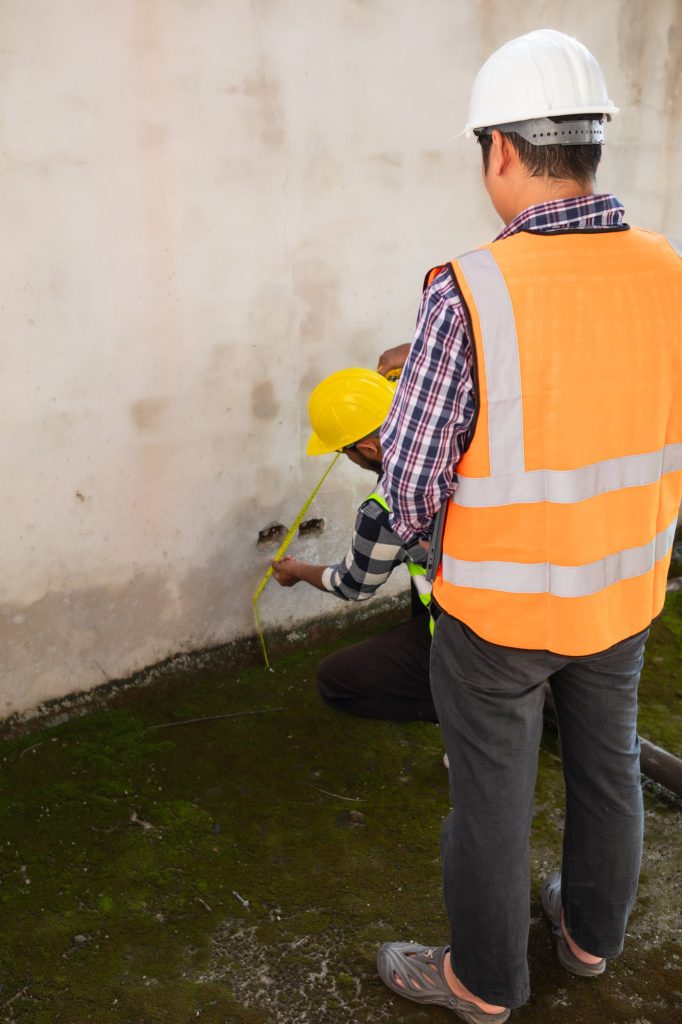
Water spreads a lot further than the wet patch you can see, and in a Tampa home it usually travels sideways. Concrete block on slab is the dominant construction here, so water runs along the slab and climbs up the base of the wall through the drywall and the sill plate.
A leak that looks like one wet corner of a bedroom has often reached three walls and the hallway behind it, which sounds dramatic but happens more than you’d think.
This is exactly why moisture detection matters during restoration: using calibrated meters and thermal imaging to trace where the water actually went, so the drying plan covers the real footprint instead of just the visible one.
Mapping also protects you financially, plain and simple. A scope built from a guess either tears out too much, which inflates the bill, or too little, which leaves wet material behind a new wall.
Either way, the homeowner ends up paying for it twice. Our crews take readings at the start, mark them on a diagram of the property, and those numbers become the baseline every later reading gets measured against.
What Does the Drying Phase Look Like Day to Day?
Extraction comes first, using truck-mounted units that pull bulk water out in a single visit, which is one of the core pieces of our water damage restoration services here in Tampa. Getting standing water gone early shrinks the whole job, because every hour it sits is another hour of wicking into drywall, insulation, and subfloor.
After extraction, air movers and commercial dehumidifiers go in. They’re loud, they run continuously, and yes, they’ll noticeably warm the room. Leave them on anyway. Switching the equipment off overnight for a little quiet is the single most common thing that adds days to a dry-out.
A technician returns each day to take readings and adjust the equipment as the numbers fall. Drying is finished when the materials read dry against a documented standard, not when the carpet just feels dry underfoot.
Tampa Bay humidity stretches this out, because dehumidifiers here are fighting outdoor air that sits heavy most of the year. A job that would close in three days inland often needs four or five here.
| Phase | Typical duration | What you will see |
| Dispatch and assessment | Same day | Safety check, moisture mapping, written scope |
| Extraction | A few hours | Truck-mounted units, bulk water removed |
| Structural drying | 3 to 5 days | Air movers and dehumidifiers running, daily readings |
| Repairs and rebuild | 3 days to several weeks | Drywall, flooring and finishes replaced |
Noticed water pooling under the fridge, or maybe a musty smell creeping in after a storm? Give us a call at (813) 738-6130, and we’ll send a crew out before it turns into a bigger problem.
Which Materials Get Saved and Which Have to Come Out?
The category of water pretty much decides most of it. Clean water from a supply line gives you the widest options, since the material’s wet but not contaminated.
Gray water, say from an appliance leak, sits somewhere in the middle. Black water from a sewage backup or storm surge is contaminated, so porous material that soaked it up comes out rather than drying in place, no matter how salvageable it looks.
Beyond category, the real rule is porosity. Carpet pad almost always goes, since it holds water like a sponge and just can’t be dried reliably underneath. Carpet itself sometimes survives a clean-water loss, though.
Drywall wicks upward from the floor, so a flood cut is usually taken above the waterline rather than right at it. Solid cabinetry and framing often dry fine in place with directed airflow. Engineered flooring and MDF trim rarely do, though, because the glue layers separate once they swell.
Have these ready before the crew arrives:
- The location of your main water shutoff and electrical panel
- Photos or video of the affected rooms taken before anything was moved
- Your insurance policy number and your carrier’s claims phone line
- A rough date for when the leak or intrusion likely started
- Access to any attic, closet, or utility space near the source
How Does the Insurance Claim Run Alongside the Work?
We bill insurance carriers directly and work with all major providers, so you’re not paying the full cost upfront and waiting months for reimbursement.
The documentation we put together during the job is built in the format adjusters expect: dated photographs, a moisture log for each affected material, and a written scope listing what was removed and why. Adjusters dispute vague claims a lot more often than detailed ones.
Coverage itself depends on the source. Sudden, accidental water from an internal source, like a burst supply line, is generally covered under a standard homeowners policy. Rising water and storm surge fall under a separate flood policy instead.
Those are different claims with different paperwork, and mixing them up costs people weeks. Call your carrier early and ask directly which policy applies to your loss, then let us know what they said so the documentation matches up.
What Happens Once the Drying Ends and Repairs Begin?
Repairs don’t start until the readings confirm the structure is actually dry. Starting earlier just buries moisture behind new drywall, and the mold that follows is a second claim nobody wants. Once the numbers clear, the drying equipment comes out and the scope shifts to rebuilding what was removed.
Because we hold a Certified Building Contractor License, our reconstruction services run under the same contract as the mitigation work. Drywall, insulation, flooring, trim, and paint are all handled by the same company that dried the property, so there’s no gap while you track down a second contractor and no argument over where one scope ended and the next began.
Every job closes with a walk-through before we hand the space back, and that’s the point to bring up anything that doesn’t look right.
Frequently Asked Questions
Often, no. Most single-room losses leave the rest of the home usable, though the equipment is loud and the affected rooms are off limits. Larger losses involving the kitchen, the only bathroom, or contaminated water usually mean temporary accommodation. We’ll tell you which category your job falls into at the assessment, rather than leaving you to guess.
Mold can start growing in damp conditions within roughly 24 to 48 hours, which is exactly why the extraction and drying timeline matters so much in a humid climate like this one. Fast, documented drying is really what keeps a water loss from turning into a remediation job on top of everything else.
Household fans move air across a surface but don’t actually remove water from the air, so moisture evaporates out of the drywall and then just condenses somewhere else in the house. Commercial dehumidifiers pull that moisture out and drain it away. For anything beyond a small spill, household equipment usually just relocates the problem rather than solving it.
The scope gets updated in writing, and we document the new findings before any additional work starts. Hidden damage is pretty common with slab leaks and long-running roof leaks, since the water’s been traveling for weeks already. Your adjuster gets notified at the same time, so the supplement goes through the proper channel.
Contact Us
Water damage in a Tampa home rarely waits for business hours, and neither do we. Have questions about your timeline, or just want to talk through what happens next? Contact us, and we’ll help you figure out the right next step.
You can also reach us at (813) 738-6130, and we’re here 24 hours a day, 365 days a year, serving Tampa and the surrounding Tampa Bay communities.
Related Topics: