


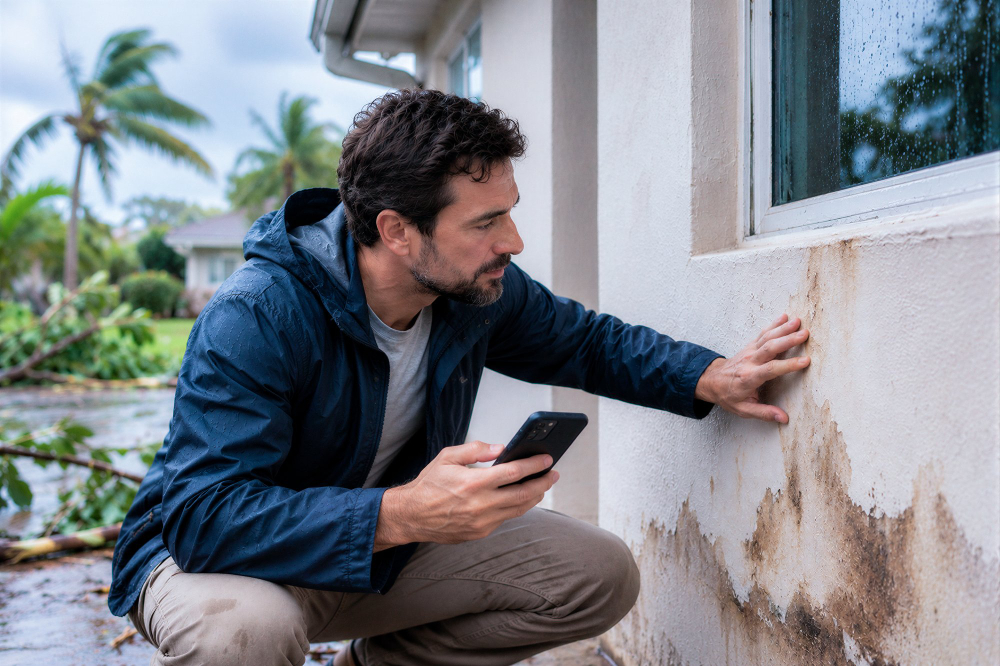
Professional water mitigation is the emergency work that stops water damage from spreading: extracting standing water, drying the structure and measuring moisture until materials are dry. Its main benefits are less material lost, a smaller mold risk in a humid climate, and a documented record of the loss for your insurer.
Mitigation is the front half of complete water damage restoration, the full process that also includes repairs. Our team at United Water Restoration Group of Tampa handles both, so the crew that dries your property works for the same company that rebuilds it.
What Professional Water Mitigation Includes
Mitigation starts with finding the water. Our crews begin with moisture mapping, which means taking readings with calibrated moisture meters to locate wet materials inside walls, beneath flooring and above ceilings, including areas that look dry. Starting there keeps a crew from drying the wrong rooms and missing the right ones.
Extraction comes next, with truck mounted equipment pulling standing water out of carpet, pad and hard surfaces. Removing the bulk of the water early leaves the drying equipment less to do. Structural drying follows, with air movers and dehumidifiers set to dry the building materials themselves.
Readings continue every day, and drying ends only when the materials meet a documented dry standard. That daily log separates measured drying from guesswork, and it shows, in numbers, when the job is ready for repairs.
How Mitigation Differs From Restoration
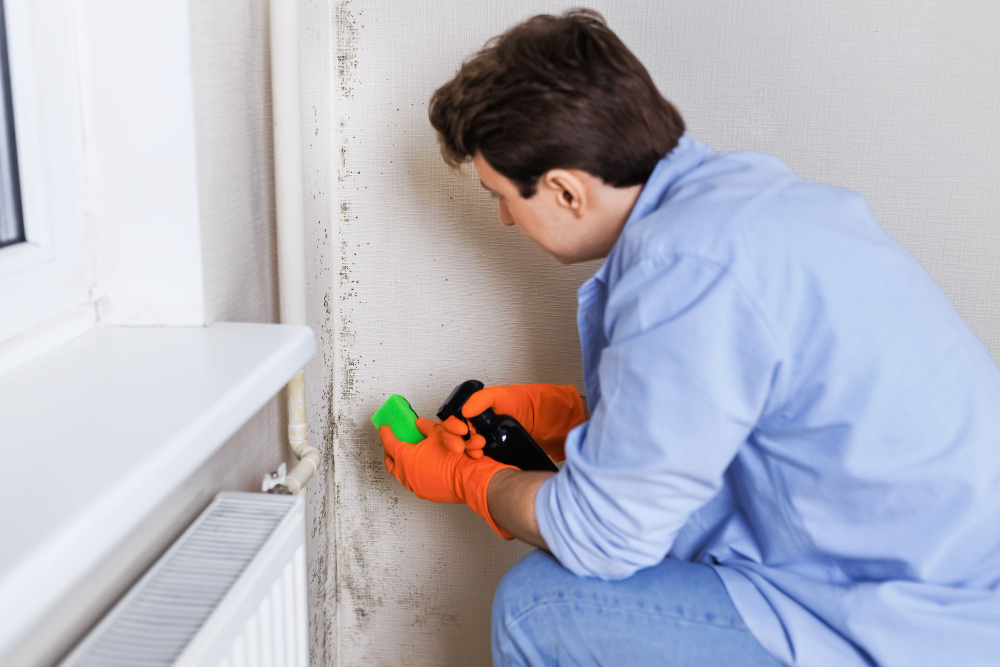
The two terms get used interchangeably, but they describe different stages. Mitigation stops the damage, while restoration returns the property to its pre loss condition, including the repairs. Mitigation is the urgent part, and restoration follows once materials read dry.
Some owners hire one company for drying and another for repairs. We handle both under one contract, so there is no handoff to another contractor when drying ends.
| Mitigation | Moisture mapping, extraction, structural drying, daily moisture readings | Stops water from spreading and limits what has to be replaced |
| Restoration | Repairs and reconstruction, then a final walk through | Returns the property to its pre loss condition |
The table simplifies the work, but the order does not change. Rebuilding over wet materials traps moisture behind new finishes.
For standing water or a wet ceiling. Give us a call at (813) 738-6130, and our certified crew answers 24/7 and dispatches the same day.
Benefits You Can Measure on Your Own Property
Each benefit of professional mitigation shows up somewhere you can check: the scope of work, the moisture log or the condition of the materials once drying ends. Ask to see the readings, and the results stop being a matter of trust.
Knowing what to expect during restoration makes the whole process less stressful, and our article walks you through the job from start to finish. When you work with our team, you’ll see each step for yourself. These are the benefits owners can verify most easily:
- Less material lost: water removed early has less time to soak drywall, flooring and framing.
- Lower mold risk: drying begins inside the window when mold growth can start.
- Proof of dryness: daily moisture readings show when materials reach a documented standard.
- A clear record for your insurer: photos, daily moisture readings, a written scope and structural reports.
- Fewer surprises: the full scope is in writing before any work begins.
- One company from start to finish: drying and reconstruction run under one contract.
Most of these benefits depend on how early the work starts, which is why the first call matters as much as the equipment.
Why Speed Matters More in Tampa Bay
Humidity shortens every timeline. In this region, mold can begin growing on wet materials within 24 to 48 hours, and indoor air that is already damp slows natural drying.
Water quality can also change as it sits. The IICRC S500 standard groups water into Category 1 (clean, such as a broken supply line), Category 2 (gray, such as washing machine overflow) and Category 3 (black, such as sewage or floodwater), and water that starts clean can worsen over time. That is why we answer 24/7 and dispatch a certified crew the same day.
For a business, speed also protects operations. Our commercial teams work nights and weekends for office buildings, medical facilities, retail stores, restaurants, schools, churches and warehouses, and the piece on why businesses should respond quickly covers that side in more detail.
What DIY Drying Tends to Miss
Fans and an open window dry what you can see. They rarely reach the inside of a wall cavity, the pad under carpet or the subfloor beneath vinyl, and surfaces that feel dry to the touch can still read wet on a meter. Carpet can look fine on top while the pad underneath stays saturated.
Some water calls for professional equipment and protective gear from the start. Sewage backups after heavy rain are Category 3 water, and porous materials they touch are usually removed rather than dried. For clean water losses, the question is whether the drying has been measured, and how well the crew works around the people living or working in the space. Annie Schmitz wrote on Google: “They got it all hooked up and drying around my schedule.”
Get the water out and the drying measured. Call (813) 738-6130 for 24/7 service across Tampa and nearby communities.
Related Topics: