


Preparing a property for a water emergency comes down to three habits: knowing how to shut the water off, maintaining the equipment most likely to leak, and having a plan ready before anything goes wrong. Owners who build those habits give themselves a far better chance of keeping a leak small and a cleanup short. Each one takes very little time, and together they can save a great deal of money and stress.
If water does get past your defenses, our team at United Water Restoration Group of Tampa is ready to help with full service water damage restoration for homes, apartments and businesses, and we answer 24/7. One call connects you with a crew that handles the job from start to finish. The steps below focus on what an owner can do before a crew is ever needed, starting with where the water usually comes from.
Where Water Emergencies Tend to Start
Most water emergencies in our area trace back to a short list of sources. Indoors, the usual suspects are clogged AC condensate lines, water heater leaks, slab leaks and split washing machine hoses. Outdoors, roof leaks during storms and sewage backups after heavy rain account for much of the rest.
Climate shapes the risk. Air conditioning runs for most of the year here, so condensate lines and drain pans see heavy use and collect algae and debris that can block the drain. Water heaters and washing machines often sit in closets and garages, where a slow drip can go unnoticed for weeks. An upstairs laundry room or an attic air handler raises the stakes, because any leak there runs down through the floors below.
Appliance failures in particular tend to build slowly. Our article on common appliance leak problems looks at that side of prevention in more detail.
Know Where Your Main Shutoff Valve Is
Shutting off the water is the fastest way to limit damage from a burst pipe, a failed water heater or a split hose. In many homes the main valve sits where the supply line enters the house or near the water heater, while in others it is outside near the meter.
Find yours before you need it, and test it. Valves that go years without use can stick, and a valve that will not turn during an emergency costs time while water keeps running. Show everyone in the household where it is, and keep any tool needed to turn it nearby.
Businesses need the same step for every suite or building. Facility managers can label shutoffs for restrooms, kitchens and break rooms so whoever is on site at night or on a weekend can act without waiting for someone with keys.
If water is already showing up where it should not be. Give us a call at (813) 738-6130, and our certified crew answers 24/7 and dispatches the same day.
A Maintenance Checklist That Prevents Common Leaks
Many leaks start with equipment that has gone unchecked for a long stretch. A short routine, repeated a few times a year, catches slow failures before they show up as a ceiling stain or a buckled floor.
Use this list as a starting point, then add anything specific to your property, such as an ice maker line, an upstairs laundry room or an irrigation system near the foundation.
- Flush the AC condensate line and check the drain pan for standing water or algae.
- Look under and around the water heater for rust, moisture or a damp floor, and note its age.
- Replace washing machine hoses that show cracks, bulges or stiffness.
- Check under sinks and behind toilets for slow drips at supply lines and shutoff valves.
- Compare monthly water bills, since an unexplained jump can point to a slab leak.
- Inspect the roof and gutters before storm season for loose flashing, missing shingles and clogged downspouts.
Write the date next to each item when you finish it. The next check then has a starting point, and a change from one visit to the next is easier to spot.
How Should You Prepare for Storm Season and Heavy Rain?
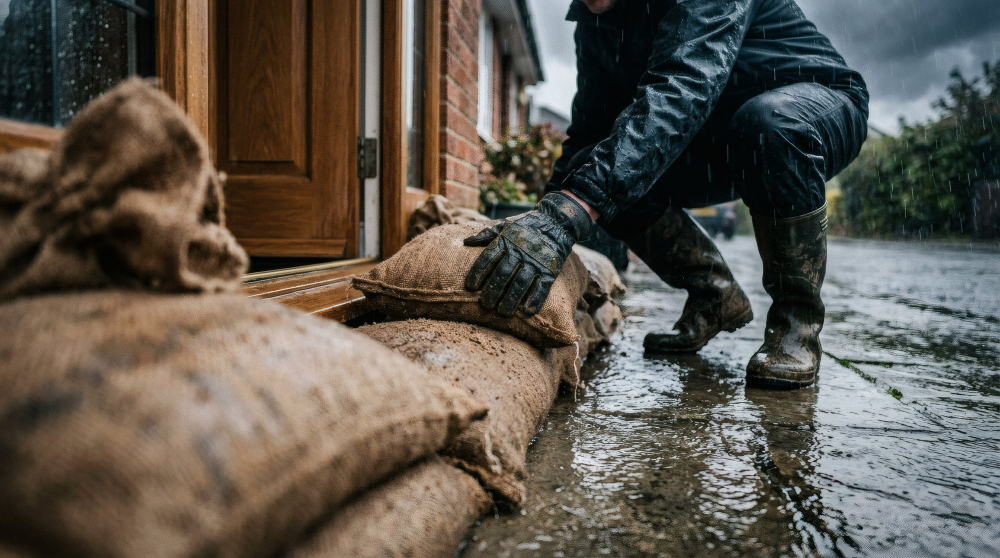
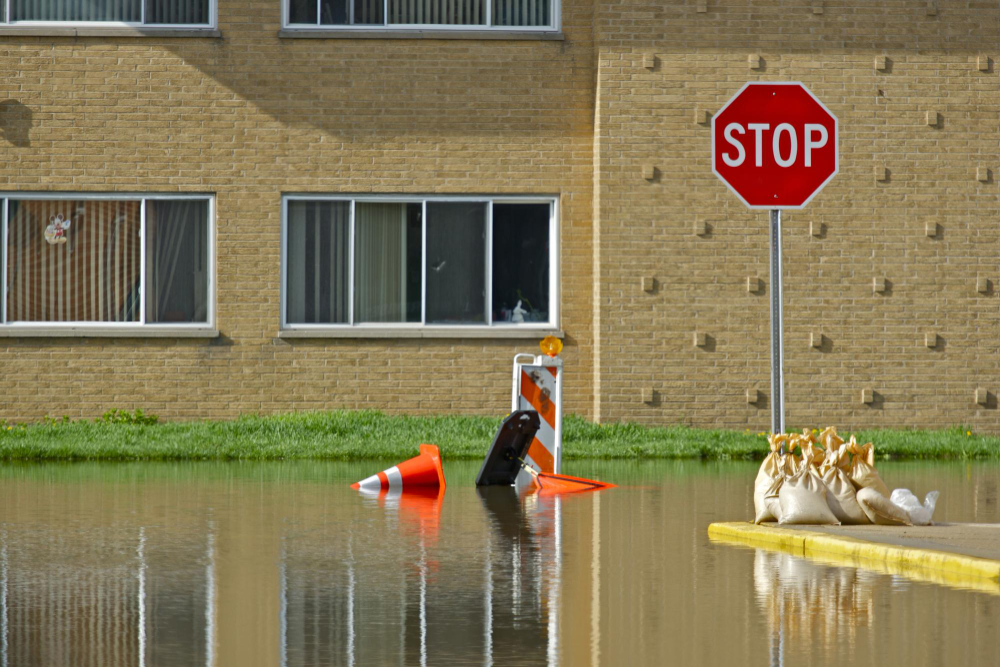
Storms test a building from the outside in. Wind driven rain finds gaps around windows and doors, roofs leak during storms, and heavy rain can push sewage back up through floor drains and low fixtures.
Before hurricane season, clear gutters and downspouts, trim branches that hang over the roof, and check that the ground slopes water away from the foundation. FEMA’s Ready.gov site publishes general flood and hurricane checklists worth reviewing each spring alongside your own property list.
Rain causes its own patterns of damage once it gets inside. The article on heavy rain water damage walks through those patterns.
What to Have Ready Before You Need a Restoration Crew
Documentation is easy to put off and hard to recreate later. Take photos or a short video of each room, major appliances and valuable belongings now, so there is a clear record of their condition before any loss. Keep your policy number and your insurer’s claims line somewhere you can reach without a computer.
Read your policy once a year. Your insurer decides what is covered, and terms differ by policy and by cause of loss, so knowing your deductible and exclusions ahead of time removes one source of stress. When our crew arrives, the loss is photographed, moisture readings are logged each day and the full scope goes in writing before work starts, and we bill insurance directly.
It also helps to know who will handle the job from start to finish. Our crews map moisture, extract water, dry the structure with daily readings and complete repairs under one contract, so one company stays with the job through the final walk through. Punctuality counts in an emergency, and William H wrote on Google that “Corey and Phil were prompt and professional”.
Keep our number with your emergency contacts: (813) 738-6130. We answer 24/7 and dispatch a certified crew the same day across Tampa and nearby communities.
Related Topics: