


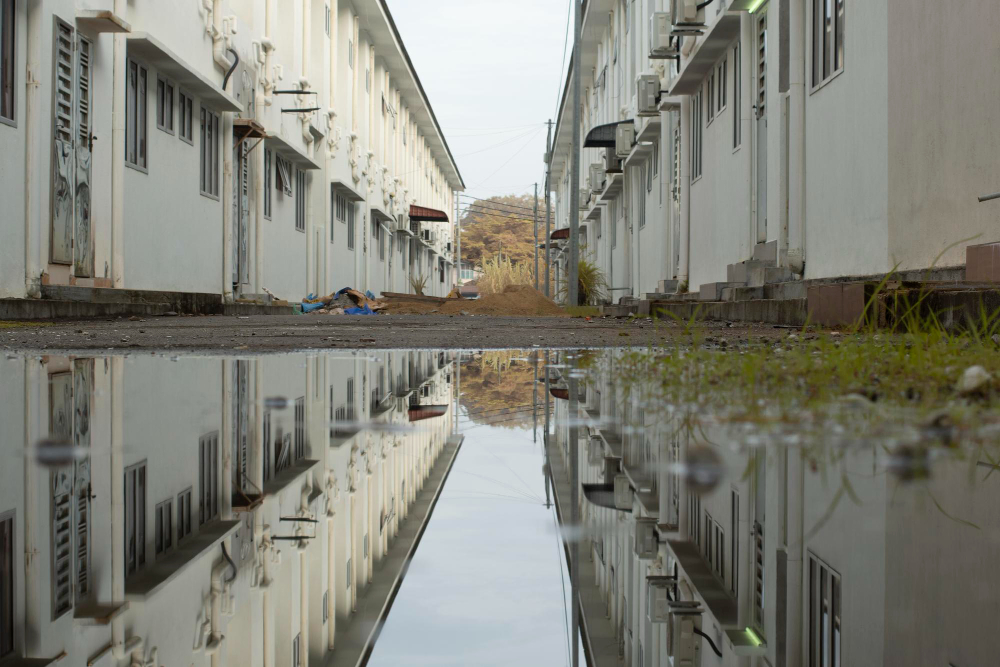
Untreated water damage keeps spreading after the leak stops. Water wicks up drywall, soaks into subfloors and framing, and in a humid climate like ours, mold can start growing on wet materials in as little as 24 to 48 hours. A wet spot that could have been dried in place can turn into removed drywall, replaced flooring and a much longer repair.
Our team at United Water Restoration Group of Tampa answers 24/7, so you can count on fast water damage restoration in Tampa for homes, apartments and commercial properties. With untreated water, the bigger repair usually comes from moisture that stayed hidden in a wall, a ceiling or under a floor while the surface looked fine, rather than from the original leak. Our technicians track down that hidden moisture and dry it out before it turns into a costly rebuild.
How Does Untreated Water Spread Through a Building?
Water moves in more directions than most owners expect. Gravity pulls it down through ceilings and wall cavities, while capillary action, the way porous material draws liquid upward, pulls it into drywall and baseboards from a wet floor. Insulation holds moisture like a sponge, and wood framing absorbs it slowly and gives it up even more slowly.
Many losses start small and out of sight. A clogged AC condensate line can overflow onto ceiling drywall, a slab leak can wet flooring from below, and a split washing machine hose can soak a wall cavity before anyone opens the laundry closet. The visible stain usually marks only the edge of a wider wet area.
Catching moisture early depends on knowing what to look for. Owners who learn the warning signs behind walls stand a better chance of finding water before it reaches the framing.
What Changes the Longer Wet Materials Sit?
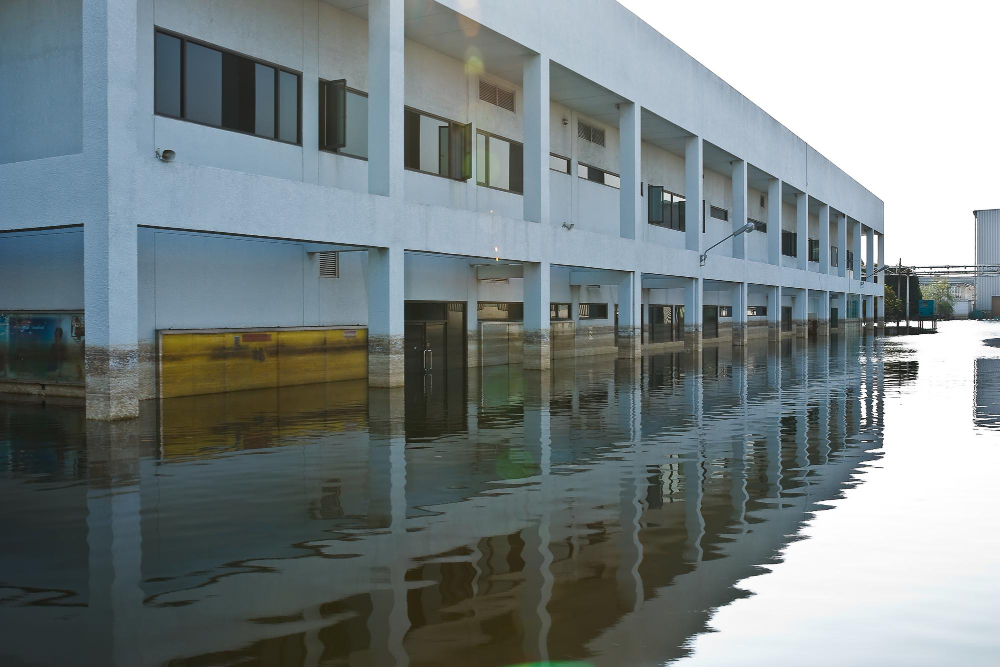
Time changes the type of work a loss needs, not only its size. Materials that could have been dried in place early may have to be cut out later, once they swell, delaminate or start growing mold.
Water quality shifts as well. The IICRC S500 standard for water damage restoration recognizes that water can degrade as it sits and picks up contaminants, and that shift decides how much can be saved. These are common changes when water is left in place:
- Wood floors cup or buckle, and baseboards pull away from the wall as the material swells.
- Clean water from a supply line can degrade into Category 2 (gray) or Category 3 (black) water, so more porous material has to come out.
- Mold can take hold on the back of drywall, where nobody sees it until a smell or stain gives it away.
- A musty odor with no visible source develops while moisture stays trapped in walls or under flooring.
- Drywall softens, ceilings sag, and framing that stays wet loses strength over time.
Drying is the main defense against mold. The guide to preventing mold after water damage covers the steps owners can take once the water source is stopped.
A spreading stain, a soft floor or a musty smell is worth checking today. Give us a call at (813) 738-6130, and our certified crew is available 24/7 and dispatches the same day. Our phone number and office address are in the Contact Us section at the end of this page.
How Our Crew Stops Untreated Water Damage
Our process has four steps, and the order matters. Drying a structure that still holds standing water wastes time, and rebuilding over wet framing traps moisture behind new drywall.
Dispatch and moisture mapping come first. We send a certified crew the same day, and the technicians use calibrated moisture meters to trace how far the water traveled, including areas that look dry. Water extraction and damage cleanup follow, with truck mounted equipment pulling out standing water before drying begins.
Structural drying is the third step. Air movers and dehumidifiers run while our technicians log moisture readings each day, and the equipment stays until the materials meet a documented dry standard. Repairs and reconstruction close out the job under one contract, so no second contractor is needed, and every job ends with a walk through.
Barbara Lindsay described her experience on Google: “Elijah and Doug are great! They both were professional and explained what they were doing each step of the way.” Our technicians are IICRC and IRI certified, and we are a family owned franchise of a national restoration network founded in 2008.
Frequently Asked Questions About Untreated Water Damage
Mold can begin growing within 24 to 48 hours once building materials get wet in Tampa Bay’s humidity. That short window is why extraction and drying should start as soon as the area is safe. Our technicians record moisture readings daily and keep drying until materials reach a documented dry standard.
Yes. Water already inside drywall, insulation, subfloors and framing keeps wicking and holding moisture after the source is shut off. Those materials can stay wet well after surfaces feel dry to the touch, which is why we confirm drying with moisture meter readings instead of by feel.
Hidden water usually shows up in small ways first: a ceiling stain that grows, flooring that cups or buckles, baseboards separating from the wall, a musty odor you cannot trace, or a water bill that jumps without explanation. Any one of these is reason enough to have the area checked with moisture meters.
Your insurer decides coverage, and the answer depends on your policy and the cause of the loss. Read your policy for its terms on preventing further damage. We document the loss with photos, daily moisture readings and a written scope, and we bill insurance directly.
Contact Us
Water that has been sitting should be measured before anything is torn out. Contact us and we price each job from an on site walkthrough, and you get the complete scope in writing before work starts, so you know what is planned and why.
Call our team at (813) 738-6130. We answer 24/7, send a certified crew the same day and work out of our office at 4897 West Waters Ave. Suite #D, Tampa, FL 33634.
Related Topics: