


- Plastic Sheets: Cover floors and nearby surfaces to catch falling mold spores.
- Protective Gear: Wear gloves, safety glasses, and a respirator to prevent breathing spores and avoid contact with cleaning chemicals.
- Ventilation Equipment: Set up fans or open windows to keep fresh air moving through the space.
Having your equipment and safety gear ready before you start helps the job go smoothly. Good preparation means you can work efficiently without having to stop to find missing supplies.
- Ventilation: Ensure your bathroom has good airflow to reduce moisture buildup, where mold thrives.
- Use Mold-Resistant Paint: Paint your ceiling with mold-resistant products that discourage mold growth.
- Monitor Humidity Levels: Check bathroom humidity regularly and maintain a low level to prevent excessive dampness.
Related Topics:
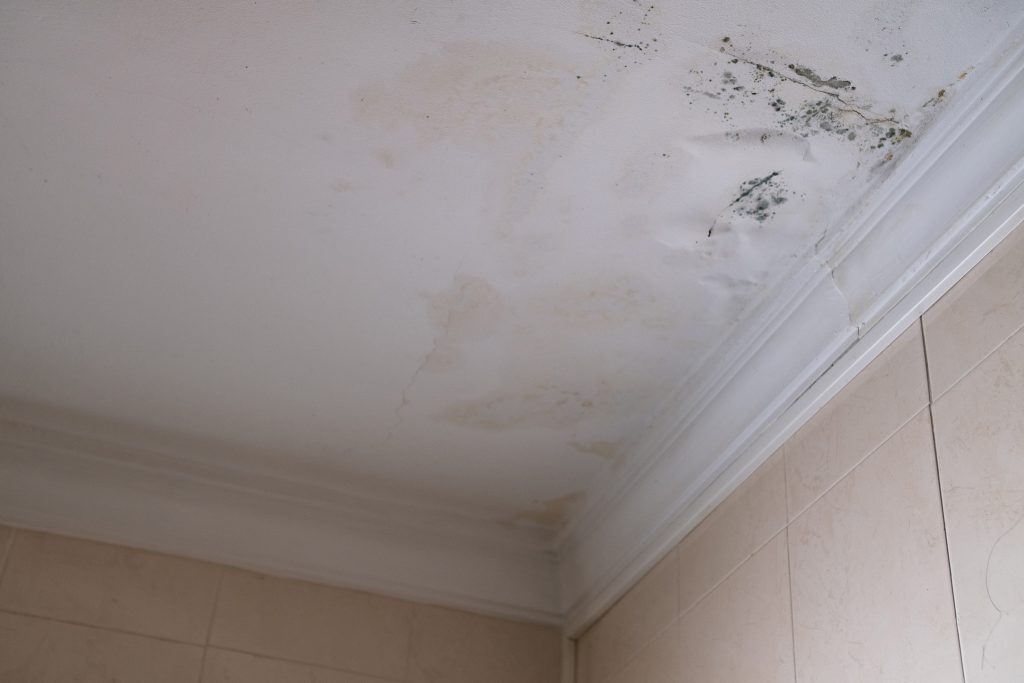
How Can Ceiling Water Damage Spread Throughout a Home in Tampa, FL?
That small ceiling stain may hide a much larger leak. See how water travels through…
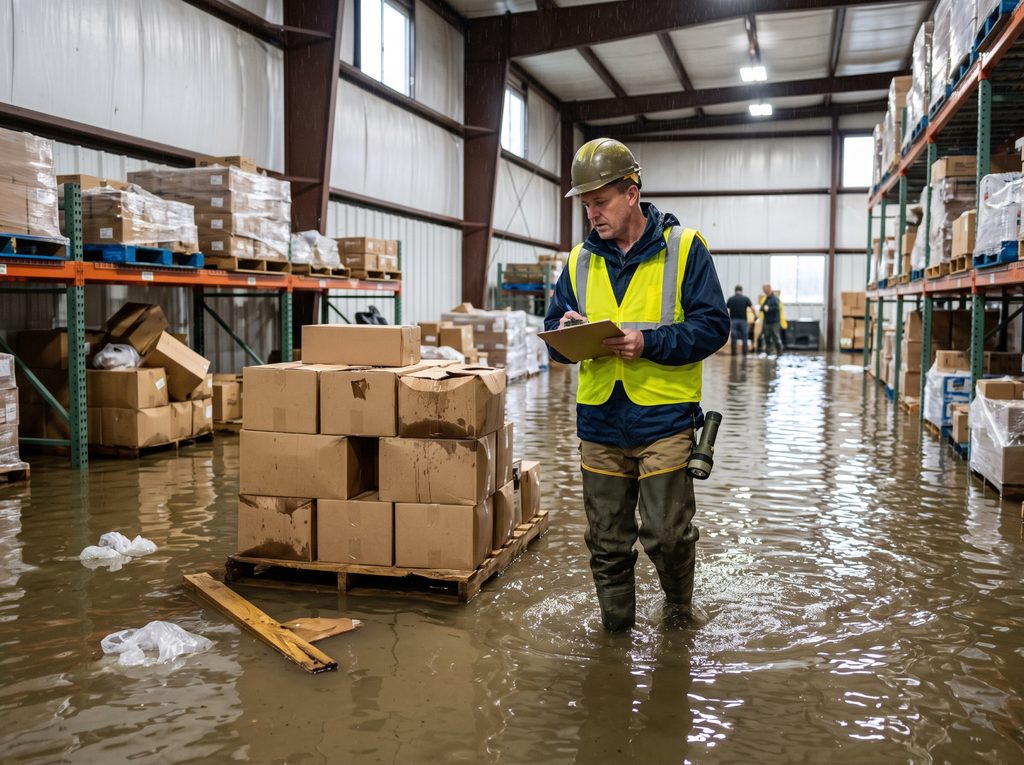
Commercial Water Damage Drying, Step by Step
See how commercial water loss is dried step by step in Tampa Bay, and call…
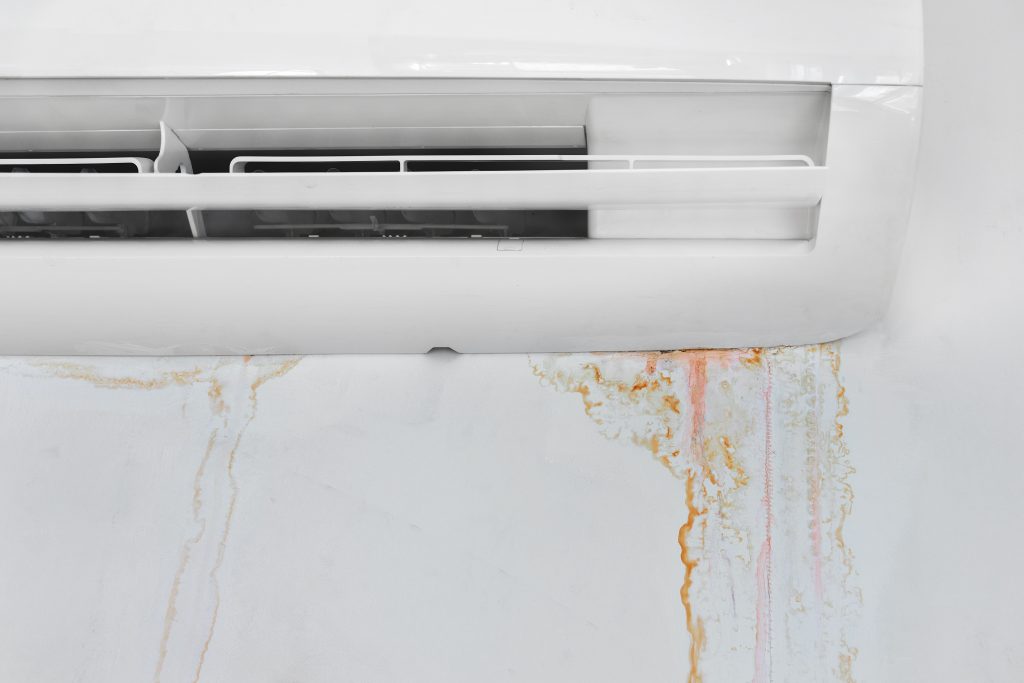
How Can Appliance Leaks Lead to Water Damage in Tampa, FL?
A slow appliance leak can soak your floors before you spot it. Learn how Tampa…
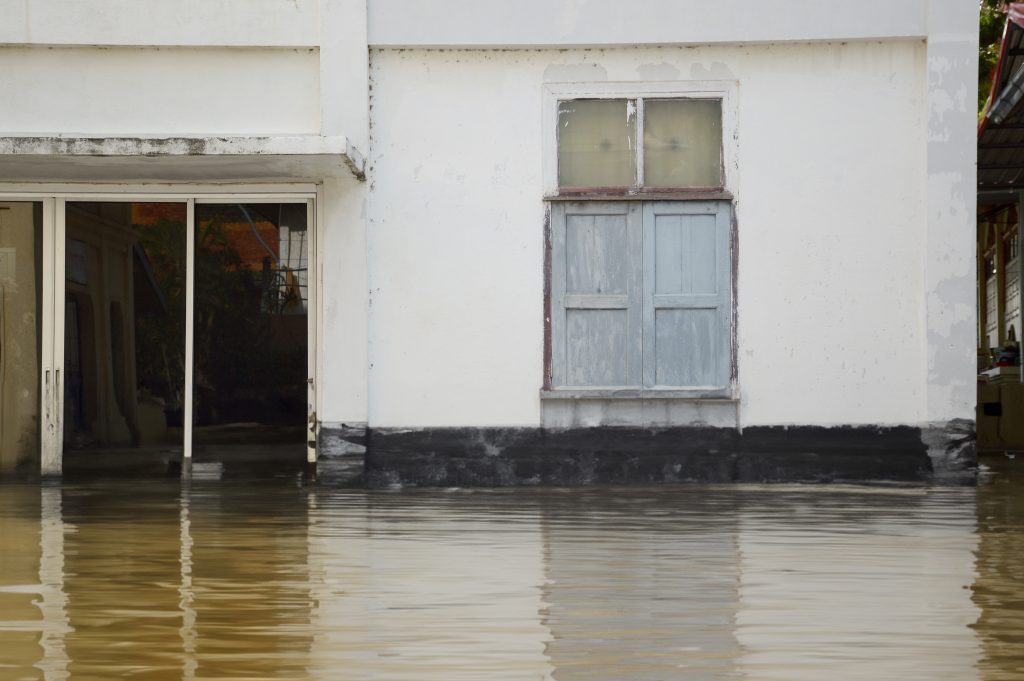
What Should You Know About Water Damage After Heavy Rain in Tampa, FL?
Storm water spreads fast through Tampa homes. Know the warning signs and call in help…
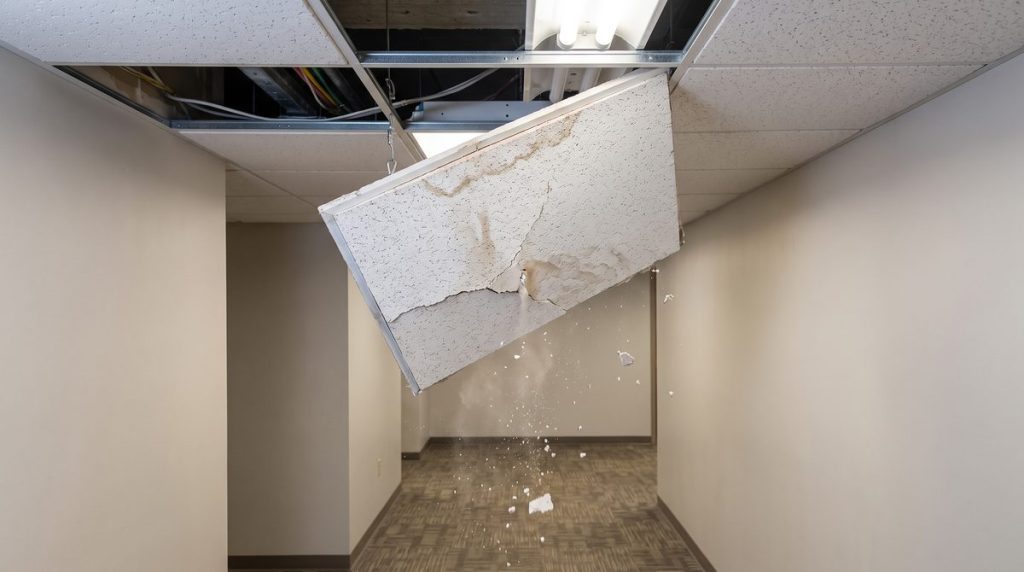
Why Should Businesses Respond Quickly to Water Damage in Tampa, FL?
For a Tampa business, the first hour after a pipe bursts or stormwater pushes through…
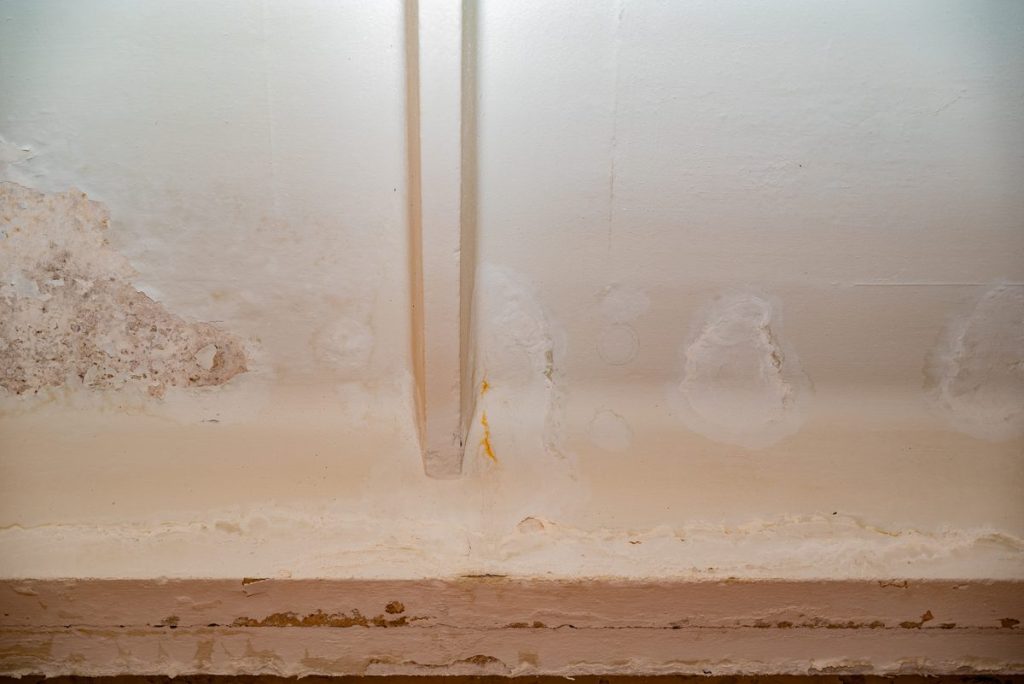
What Are the Warning Signs of Water Damage Behind Walls in Tampa, FL?
A wall can look fine on the outside while something serious happens underneath. In a…